The United Kingdom in 1992: A Year of Political Change and Cultural Milestones
The United Kingdom in 1992: A Year of Political Change and Cultural Milestones
The year 1992 was a significant one for the United Kingdom, marked by major political shifts and cultural highlights that continue to influence the nation today. From pivotal general elections to cultural phenomena, 1992 laid down a historical marker of changes and events that shaped the UK.
Political Landscape of 1992
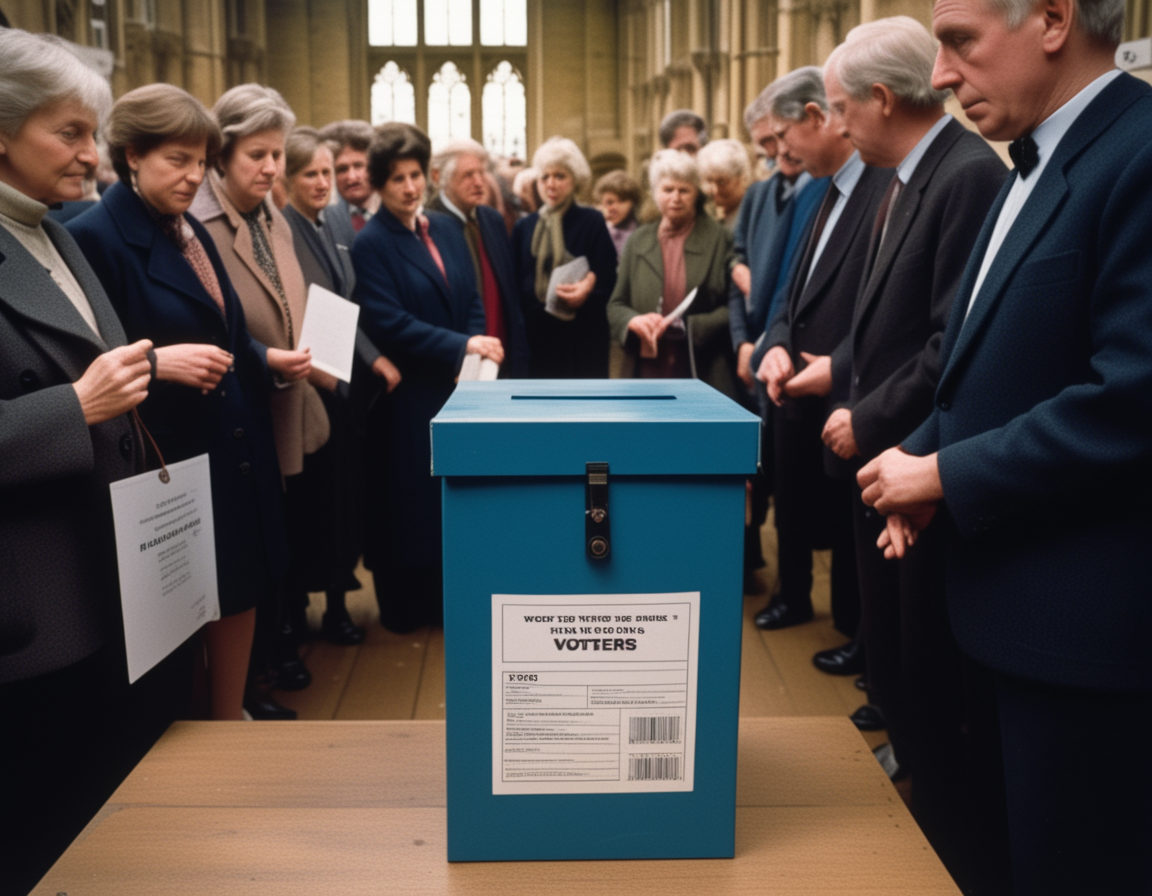
One of the most notable political events in 1992 was the general election, held on April 9. The Conservative Party, led by John Major, successfully retained power, defying public opinion polls that had predicted a Labour victory. This election saw the Conservatives winning 336 seats against Labour’s 271, allowing Major to continue as Prime Minister.
This election was seen as a reaffirmation of the policies initiated by Margaret Thatcher, yet it also highlighted new political strategies, including Major’s ‘soapbox’ campaign style, which brought him closer to the public.
Cultural Highlights
Beyond politics, 1992 was a year rich in cultural events. The British film industry thrived with releases like The Crying Game, which gained international acclaim. Meanwhile, the music scene was vibrant with bands like Radiohead and Oasis beginning their rise to fame, contributing significantly to the Britpop movement that defined the UK’s music culture in the 1990s.

Economic Challenges
The year also brought significant economic challenges, most notably Black Wednesday on September 16. On this day, the UK was forced to withdraw from the European Exchange Rate Mechanism (ERM), leading to a devaluation of the pound. This event had lasting repercussions on UK economic policy, emphasizing the significance of maintaining financial stability.
Societal Shifts and Innovations
1992 was also marked by social changes, including the celebration of the 40th anniversary of Queen Elizabeth II’s ascension to the throne, despite being called her ‘Annus Horribilis’ due to personal and familial challenges.
In terms of technological advancements, the early 90s was a time of rapid innovation. This year saw the introduction and expansion of technologies that would lay the groundwork for the digital revolution, impacting how information was accessed and shared.
Impact and Future Outlook
Reflecting on 1992, it is clear that the events of this year have left a lasting impact. The political dynamics, economic challenges, and cultural developments set the stage for many of the sociopolitical trends seen in the UK today. Understanding this year in detail offers insights into the evolving nature of British society and governance.
As we look forward, the influence of the decisions and occurrences from 1992 still frames much of the UK’s current context, ensuring that studying this period remains relevant and essential.
Conclusion
Whether through the memories of those who lived through it or the lessons drawn by historians, 1992 remains a pivotal year. Its resonance continues to be felt across various facets of the UK, from politics to culture.
To stay updated on more historical insights and current events, subscribe to our newsletter or follow us on social media for more engaging content.