The Surprising Economics and Culture of Loose Change in the Digital Age
The Enigmatic World of Loose Change
In an era where digital transactions dominate, loose change still holds an intriguing place in our daily lives. From piggy banks to charity jars, the jingle of coins remains a familiar sound. Yet, in a world rapidly moving towards cashless societies, understanding the current and future role of loose change is more pertinent than ever. In this post, we delve into the cultural, economic, and practical aspects of loose change.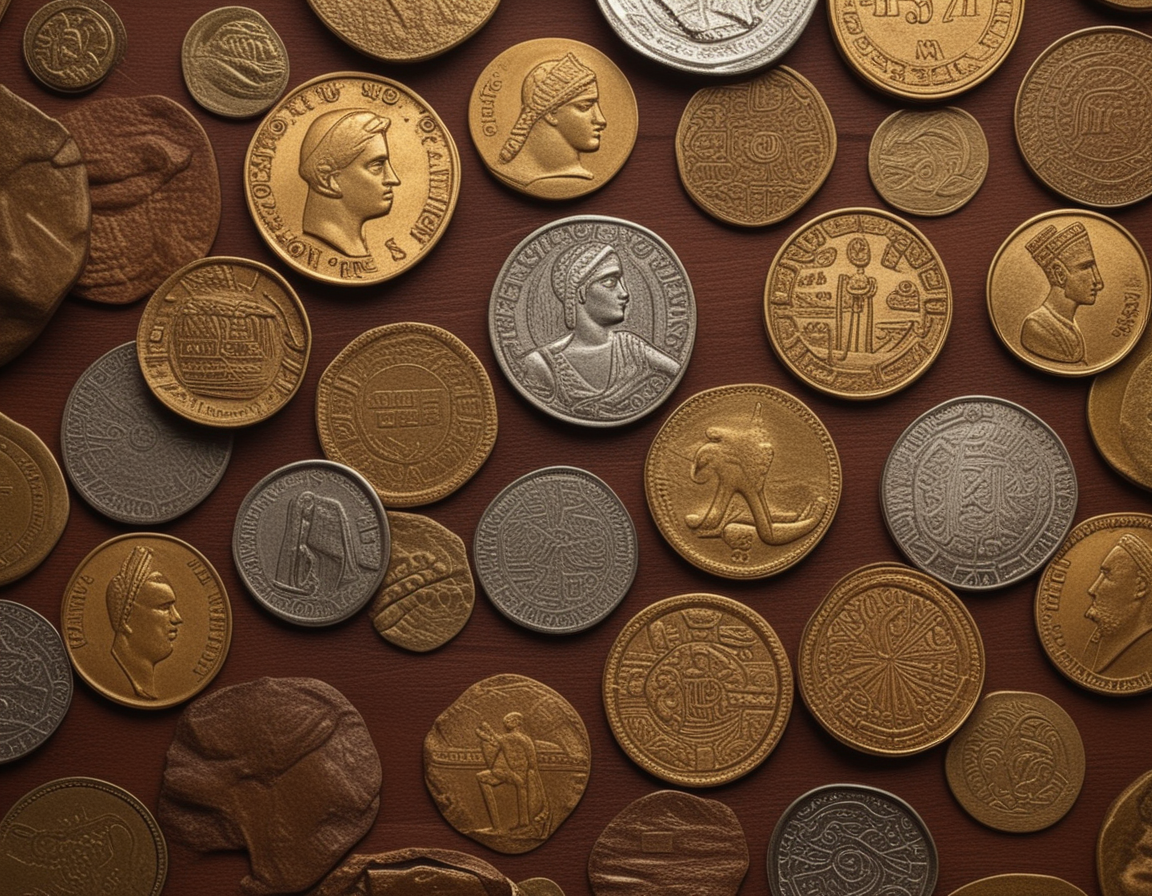
The Historical Significance and Cultural Perception of Loose Change
The concept of loose change dates back to ancient times, where coins were the primary form of currency. Over centuries, coins have become symbols of wealth and power. Today, they continue to hold a unique place in commerce and everyday life. While often dismissed as trivial, coins are imbued with cultural significance and have become the subject of numismatics, the study and collection of currency.
Loose Change in Modern Society: Current Relevance
Coins and small cash transactions still play an essential role, even as digital payments become more prevalent. According to recent reports, many find solace in keeping spare change as a tangible backup during times when digital payments fail. Moreover, vending machines, laundromats, and parking meters still rely on coins, demonstrating their continued practical value.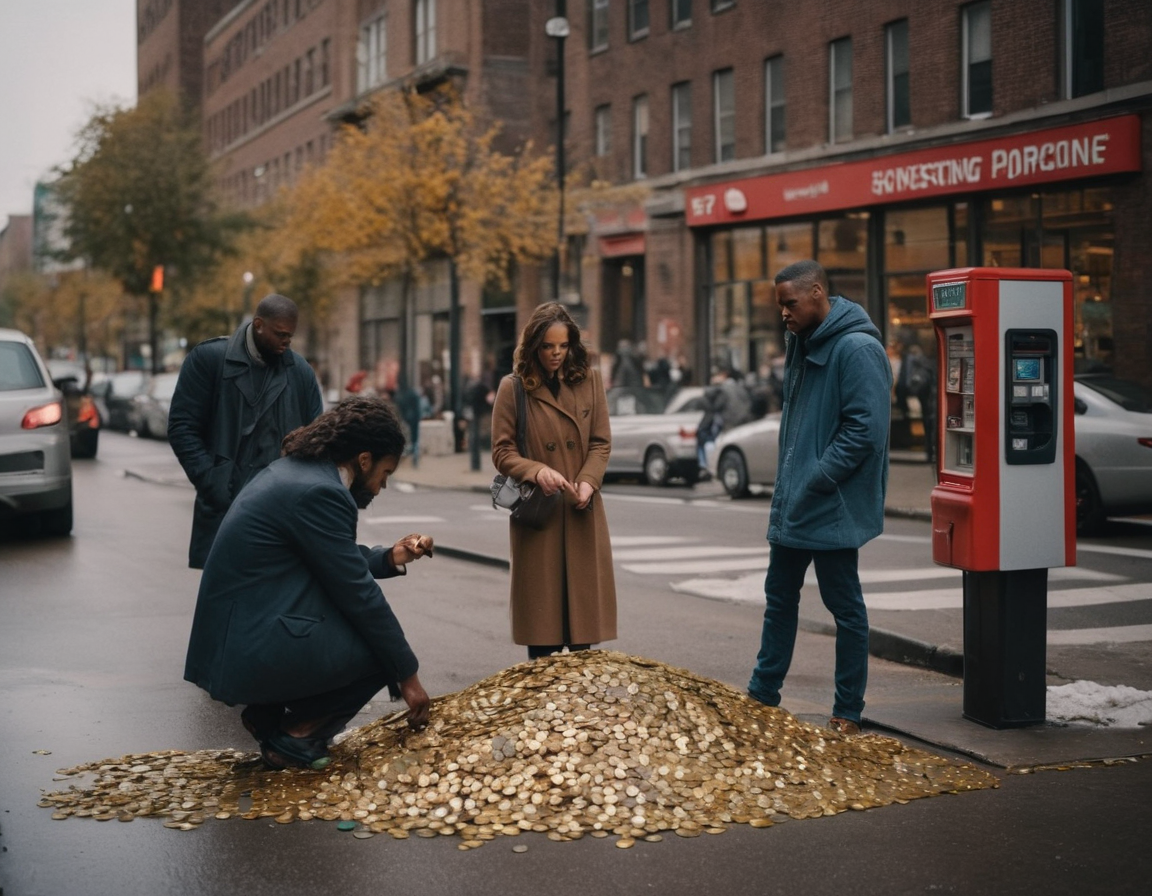
Economic Insights: The Value of Coins
Considering loose change from an economic perspective reveals its significance in maintaining the liquidity of smaller transactions. Many low-income households rely on cash transactions for budgeting, making change crucial. Also, during coin shortages, such as those witnessed during the COVID-19 pandemic, the interdependence between coins and broader economic stability was starkly highlighted.
Expert Opinions
Economists and sociologists provide intriguing insights into the role that loose change plays. Experts argue that while coins might seem outdated, they offer a universal medium that digital currencies cannot fully replicate. Additionally, the presence of cash offers privacy and anonymity, a growing concern in today’s digital landscape.
Real-World Impact: Charities and Savings
Loose change has a powerful impact on charitable donations. Countless charities rely on small donations that add up to significant funds. Similarly, people often use loose change for saving in jars, demonstrating its psychological impact by making saving tangible and visual.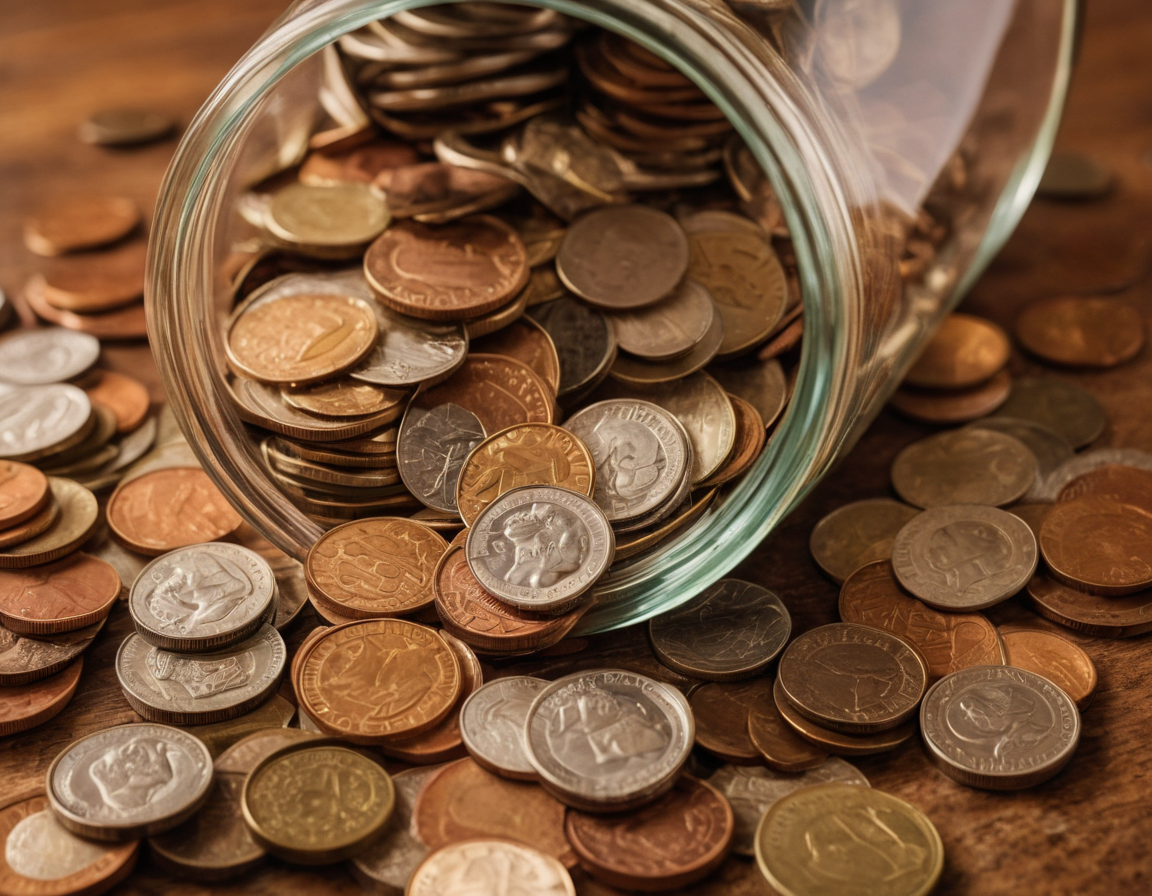
The Future of Loose Change: Will It Endure?
As we move toward a cashless society, the future of loose change remains uncertain. Innovations such as digital wallets and cryptocurrency continue to challenge traditional coins. However, the sentimental and practical value of loose change, highlighted by its resilience over centuries, suggests it may continue to coexist alongside emerging digital trends.
The role of loose change is evolving, yet its cultural and economic significance endures. Whether finding an old coin at the bottom of your purse or donating to a good cause, the humble coin still holds deep and varied significance across the globe. As technology advances, the challenge will be to embrace new methods of transaction without losing the irreplaceable charm and utility of loose change.
Have you ever thought about the role that loose change plays in your daily life? Let us know your thoughts in the comments below or share your story on social media. Stay ahead of the trend by subscribing to our newsletter for fascinating insights into money, society, and the future.