Exploring the Enigma of the Hitler Teapot: A Blend of History and Pop Culture
The Curious Case of the Hitler Teapot
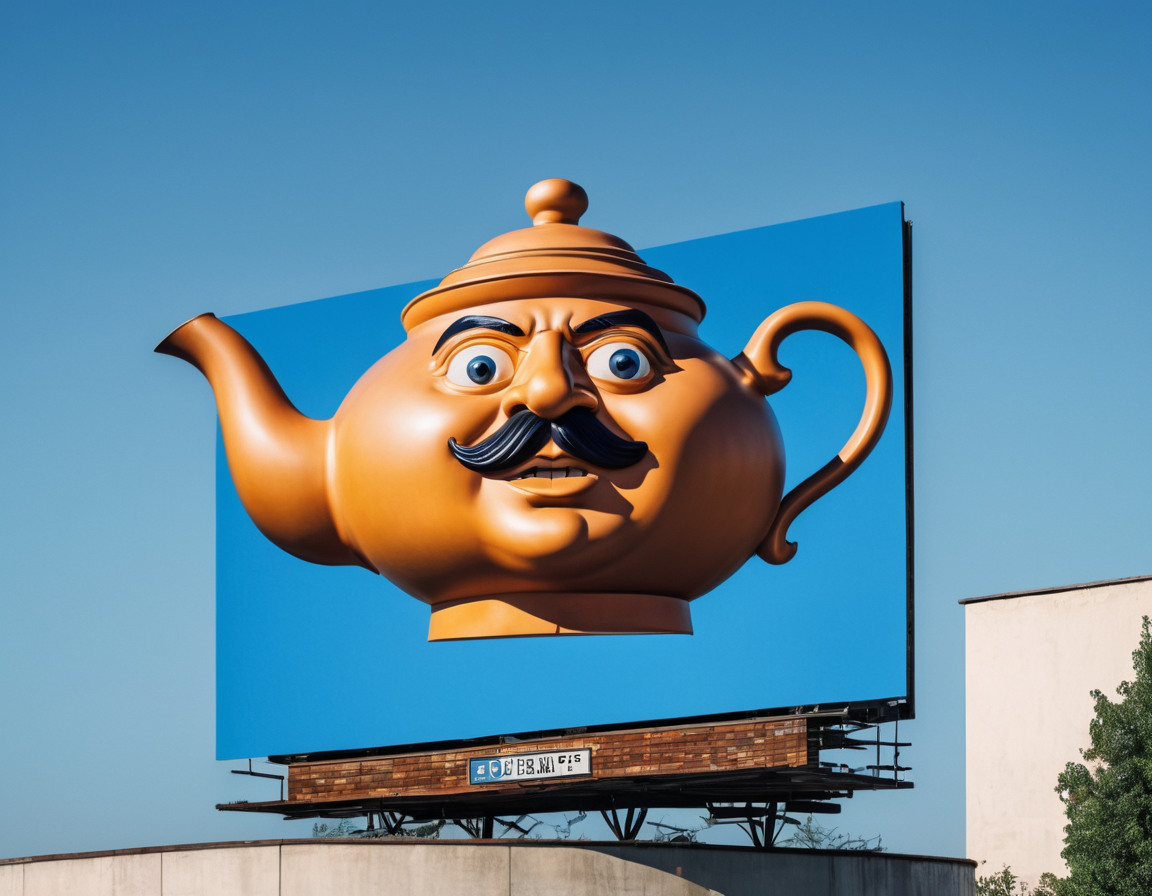 The ‘Hitler Teapot’ might sound like an odd relic of history, but it’s actually a modern phenomenon born from a mix of historical imagery and pop culture. In this post, we delve into the origins, significance, and ongoing discussions surrounding this intriguing piece of modern memorabilia.
Background: The Origins of the Hitler Teapot
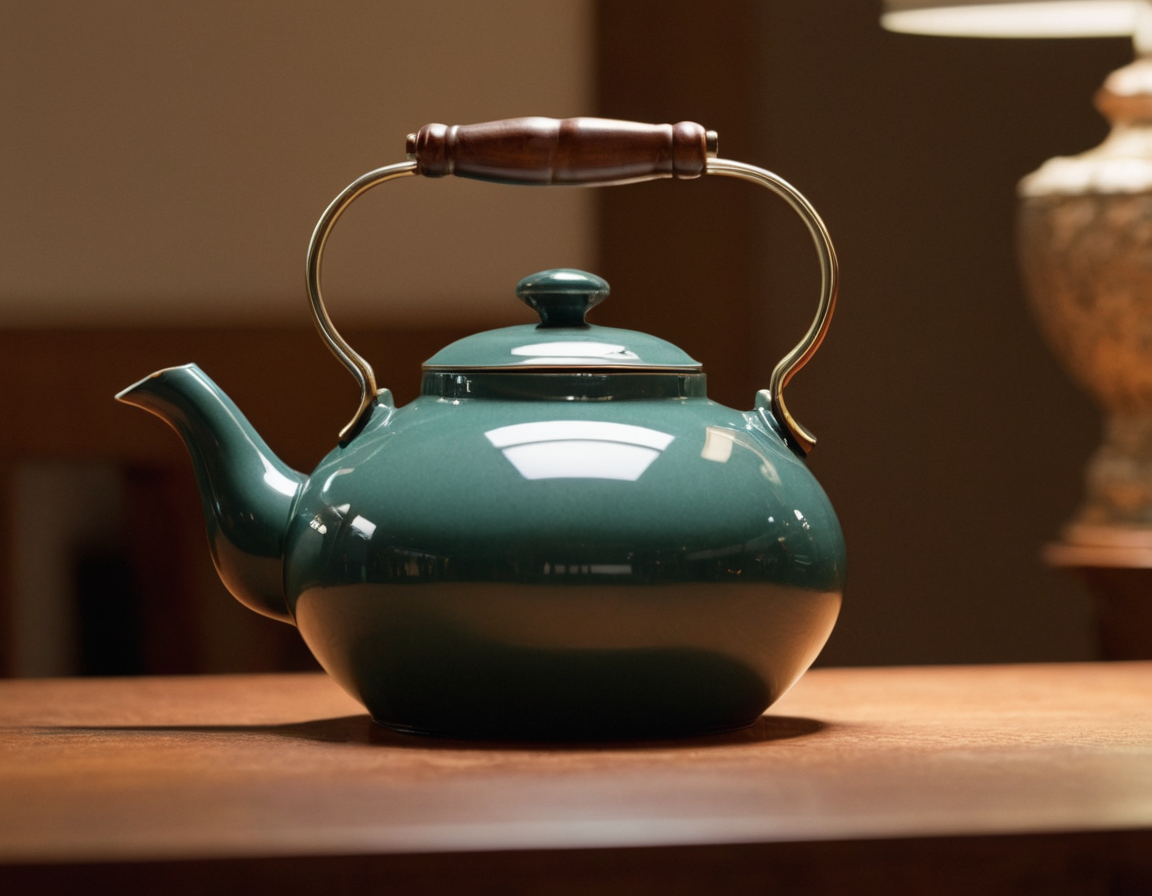 The ‘Hitler Teapot’ first gained notoriety in 2013 when a highway billboard advertising a teapot designed by Michael Graves for JC Penney sparked controversy. The shape of the teapot accidentally resembled Adolf Hitler, leading to immediate online buzz. This unexpected likeness became a sensation, drawing both amusement and criticism from the public.
Current Relevance: From Controversy to Collectible
In recent years, the ‘Hitler Teapot’ has become a collectible item, turning into a conversation starter about cultural perceptions and historical sensitivity. 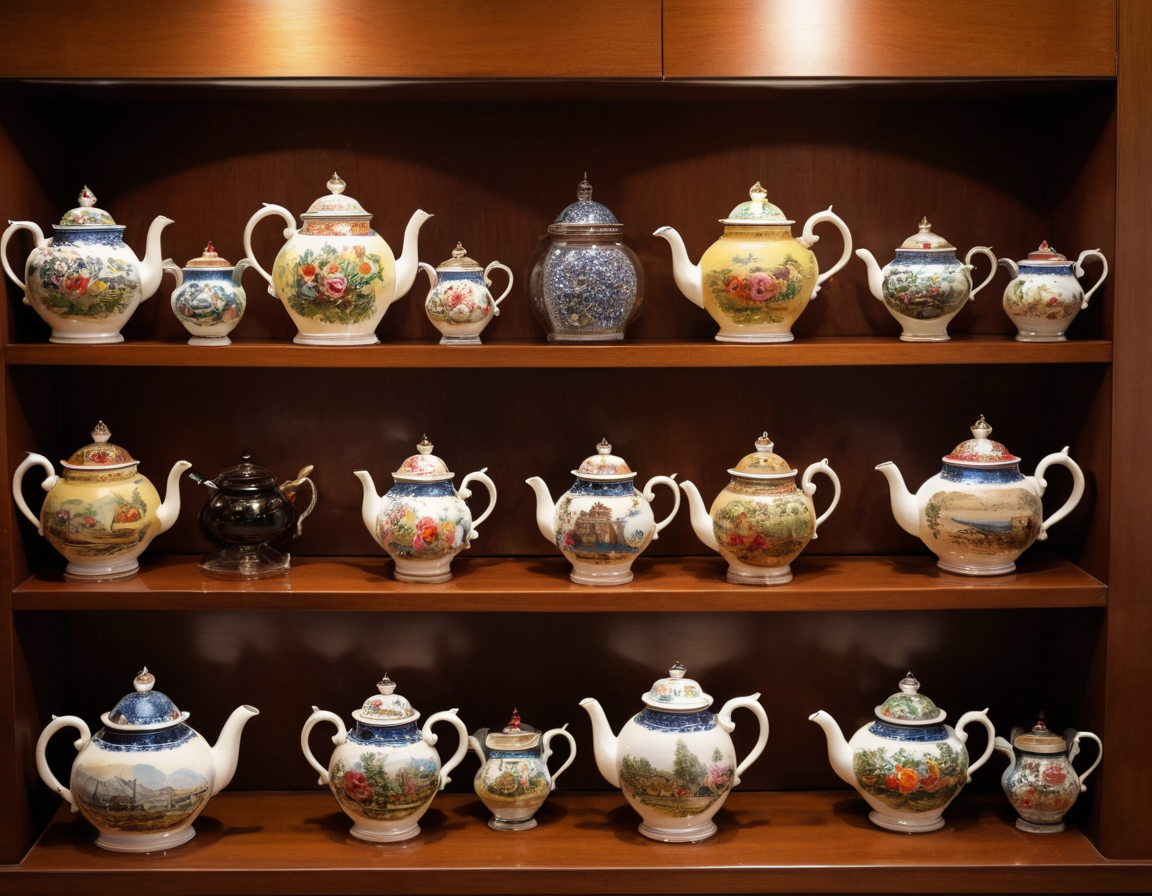 As of 2023, the teapot is often discussed in academic circles studying the impact of accidental iconography in consumer products and how they affect public perception of history.
Expert Opinions: Cultural Significance and Sensitivity
Historians and cultural theorists have weighed in on the implications of the ‘Hitler Teapot’. Many argue that while the design was unintentional, its popularity underscores a need for awareness in design and marketing. It poses questions about the responsibility of brands in avoiding cultural misinterpretations. Experts emphasize that such items should be viewed as opportunities to discuss historical narratives critically.
Real-world Impact: Analyzing Public Reactions
The public reaction to the ‘Hitler Teapot’ has been multifaceted. Some see it as a humorous meme, while others are appalled by its inadvertent reference to a dark period in history. This dichotomy highlights how diverse social media platforms play a role in shaping narratives and public perception. Debates continue on whether it’s a benign household item or unknowingly offensive.
Future Outlook: The Legacy of Incidentally Offensive Design
Looking ahead, the ‘Hitler Teapot’ serves as a cautionary tale for designers and marketers. It emphasizes the need for cultural and historical awareness in product design. As society becomes more interconnected and culturally aware, the challenge will be to create designs that are both innovative and sensitive to historical contexts. The story of this teapot continues to remind us of the complex interplay between design, intention, and interpretation.
“The ‘Hitler Teapot’ story exemplifies how design can unintentionally echo powerful historical imagery.”
What are your thoughts on the intersection of history and pop culture as seen through the lens of the ‘Hitler Teapot’? Share your views in the comments below and join the discussion!