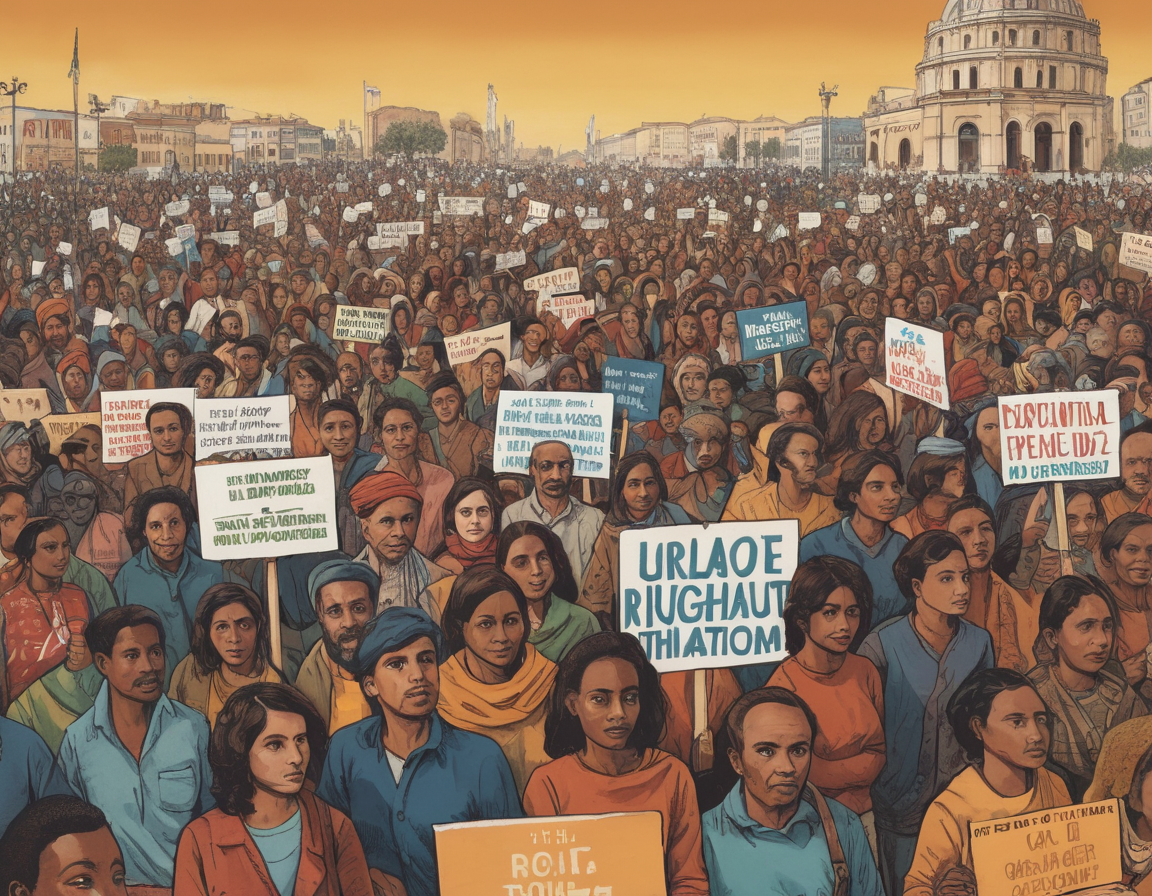
Inside Kaechon Internment Camp: A Glimpse Into the Heart of Oppression
Understanding Kaechon Internment Camp: A Case Study in Human Rights Violations
Located in the isolated nation of North Korea, Kaechon Internment Camp (also known as Camp 14) is notorious for its severe human rights abuses and harsh living conditions. As the world becomes increasingly aware of state injustices, it is crucial to shed light on this dark chapter of North Korean history. 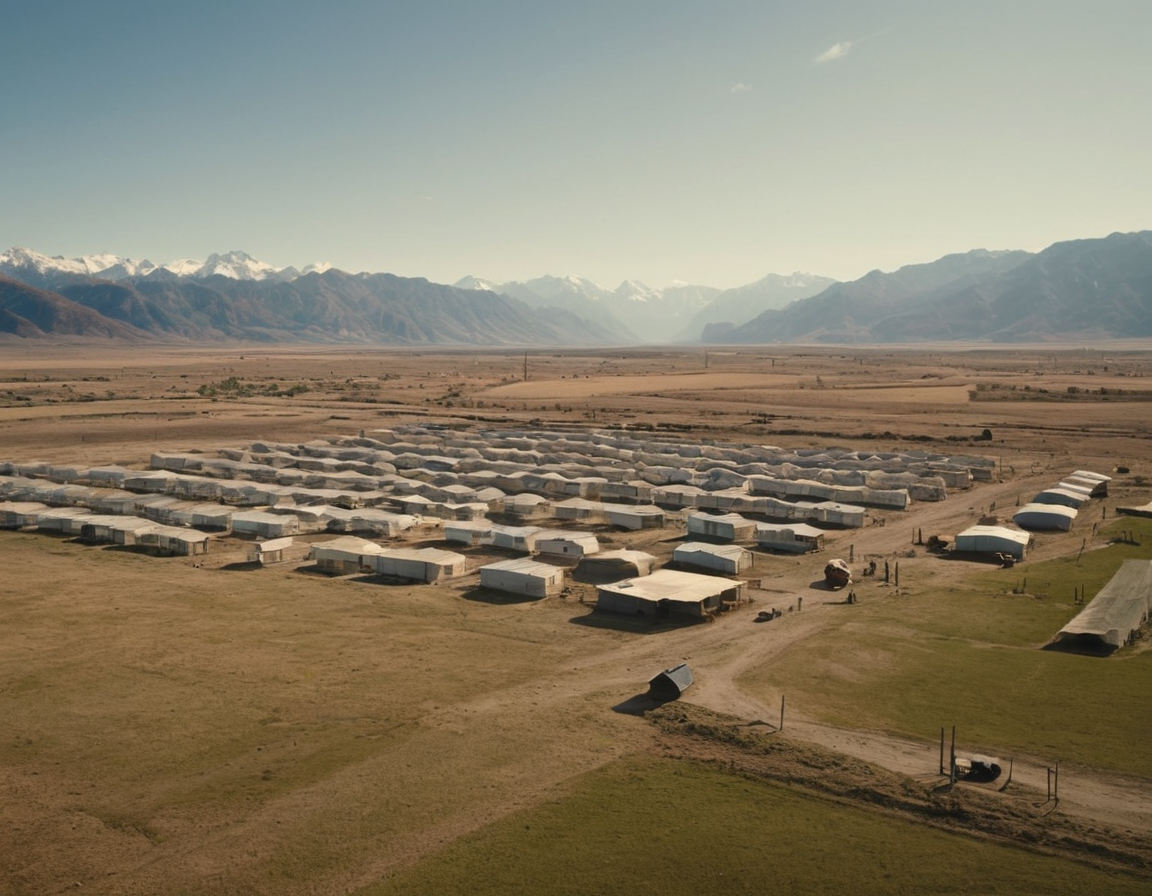
The Background: Inside the Camp’s Walls
Kaechon Internment Camp was established in the 1950s and covers approximately 155 square kilometers in central North Korea. It is a ‘total control zone’ prison where inmates can expect to spend their entire lives working in forced labor conditions. The camp is believed to house thousands of prisoners, including political prisoners and their families.
Current Relevance: A Continuing Cycle of Oppression
Despite evolving geopolitics, the conditions within camp walls remain dire. Recent satellite imagery and defector testimonies continue to reveal the grim reality of life in Kaechon. The global community faces a human rights responsibility—putting pressure on North Korea to reform its penal system. 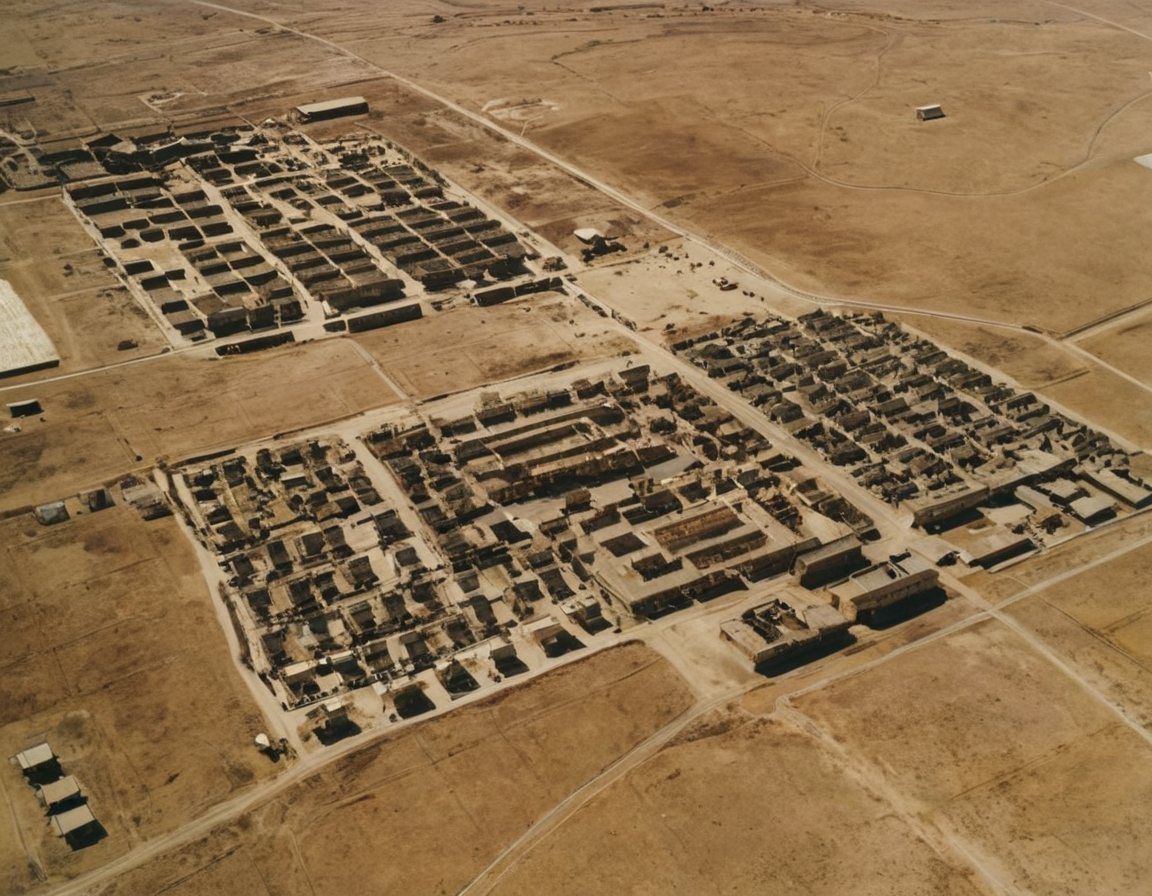
Expert Opinions: What Human Rights Groups Are Saying
Organizations like Amnesty International and Human Rights Watch have long condemned the treatment of inmates at Kaechon. Experts point out that international awareness and pressure can sometimes bring small improvements; however, more significant interventions are necessary to dismantle systemic abuses fully.
Real-World Impact: Stories of Survival
Survivors who have managed to escape Kaechon tell harrowing stories of their experiences. One of the most famous defectors, Shin Dong-hyuk, provides insight into daily life at the camp in his memoirs. His story highlights both the strength of the human spirit and the urgent need for compassionate response from the international community.
The Future Outlook: Steps Towards Change
The path to dismantling Kaechon Internment Camp involves diplomatic strategies and international collaboration. Initiatives can include increasing refugee protections, leveraging economic sanctions, and supporting North Korean human rights organizations.
Activists and political leaders must continue their push for transparency and accountability in North Korea’s penal system. Continuous dissemination of information and education can eventually lead to reform. Your voice matters—join human rights campaigns to advocate for change.