The Flag of Lithuania: A Symbol of Resistance and National Pride
The Vibrant History and Modern Significance of Lithuania’s Flag
The flag of Lithuania is more than just a national symbol. It is a representation of Lithuania’s complex history, its struggles for freedom, and the resilient spirit of its people. Understanding the significance of this tricolored flag offers a window into the past and present of this Baltic nation.
The Historical Background of the Lithuanian Flag
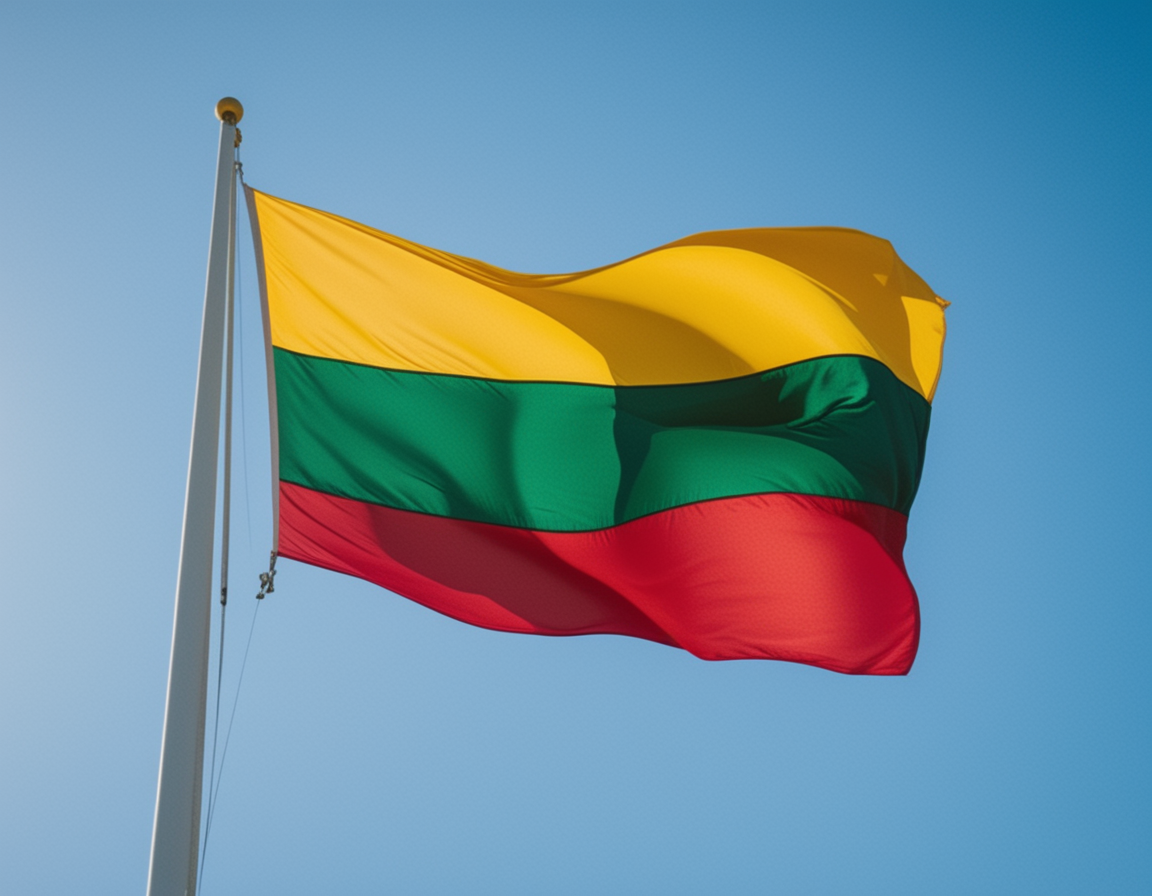
The current flag of Lithuania, composed of horizontal stripes of yellow, green, and red, was officially adopted in 1918, during a period when Lithuania declared independence following World War I. However, throughout Lithuania’s turbulent history, the flag has undergone numerous transformations, each reflecting shifts in cultural identity and political sovereignty. During the Soviet years, the national flag was replaced by one more in line with communist symbolism, only to be restored to its original form with Lithuania’s regained independence in 1990.

The Symbolic Meaning of the Colors
The colors of the Lithuanian flag – yellow, green, and red – each hold significant symbolic meanings. The yellow stripe represents the sun and prosperity, a nod to Lithuania’s hopeful future. The green stands for the country’s lush, fertile landscapes and symbolizes the freedom for which the Lithuanians fought. Finally, the red stripe signifies the blood of those who sacrificed their lives for Lithuania’s independence and freedom.
Current Relevance: A Symbol of Unity
In modern times, the Lithuanian flag serves not only as a national symbol but also as a banner of unity and resistance against oppression. It flies proudly at international events, embodying Lithuania’s identity in the global arena. Amidst geopolitical tensions, the flag becomes a tool to inspire national pride and solidarity among Lithuanians both at home and abroad.

Expert Opinions on the Flag’s Cultural Impact
“The Lithuanian flag is a cultural beacon that links the country’s past struggles with its current aspirations for peace and prosperity,” says Dr. Ieva Kazlauskienė, a prominent Lithuanian historian.
Experts agree that the flag is not just a relic of historical significance but an evolving emblem that adapts to contemporary societal values and preserves the national consciousness.
Real-World Impact: Celebrations and Protests
The flag of Lithuania is prominently displayed during national celebrations such as Statehood Day and the Day of Restoration of Independence. It is also a significant presence in civil protests, where citizens rally under its colors to advocate for change and democratic principles.
The Future Outlook: A Continual Emblem of Identity
As Lithuania continues to navigate its role on the world stage, the flag remains an enduring sign of unity and identity. Its significance is expected to evolve, yet it will undoubtedly retain its importance as a symbol of resilience, freedom, and hope for the Lithuanian people.
If you found this article insightful, share it with others and help spread the knowledge about the importance of maintaining and respecting national symbols. Follow our blog for more stories about national identities and cultural heritage from around the world.