The Science of Combustion and Flame: Understanding the Dynamics and Future Innovations
The Science of Combustion and Flame
Combustion is a fundamental chemical process that impacts numerous aspects of our daily lives, from the engines in our vehicles to the natural processes that preserve our environment. With growing environmental concerns and technological advances, understanding combustion and flame dynamics has become more crucial than ever. This blog dives into the intricate world of combustion, its current relevance, the real-world impacts, and what future innovations may hold.
Background of Combustion and Flame
Combustion, often referred to as burning, is a high-temperature exothermic redox chemical reaction between a fuel and an oxidant, usually atmospheric oxygen. The process releases heat and, in many cases, visible light in the form of a flame. 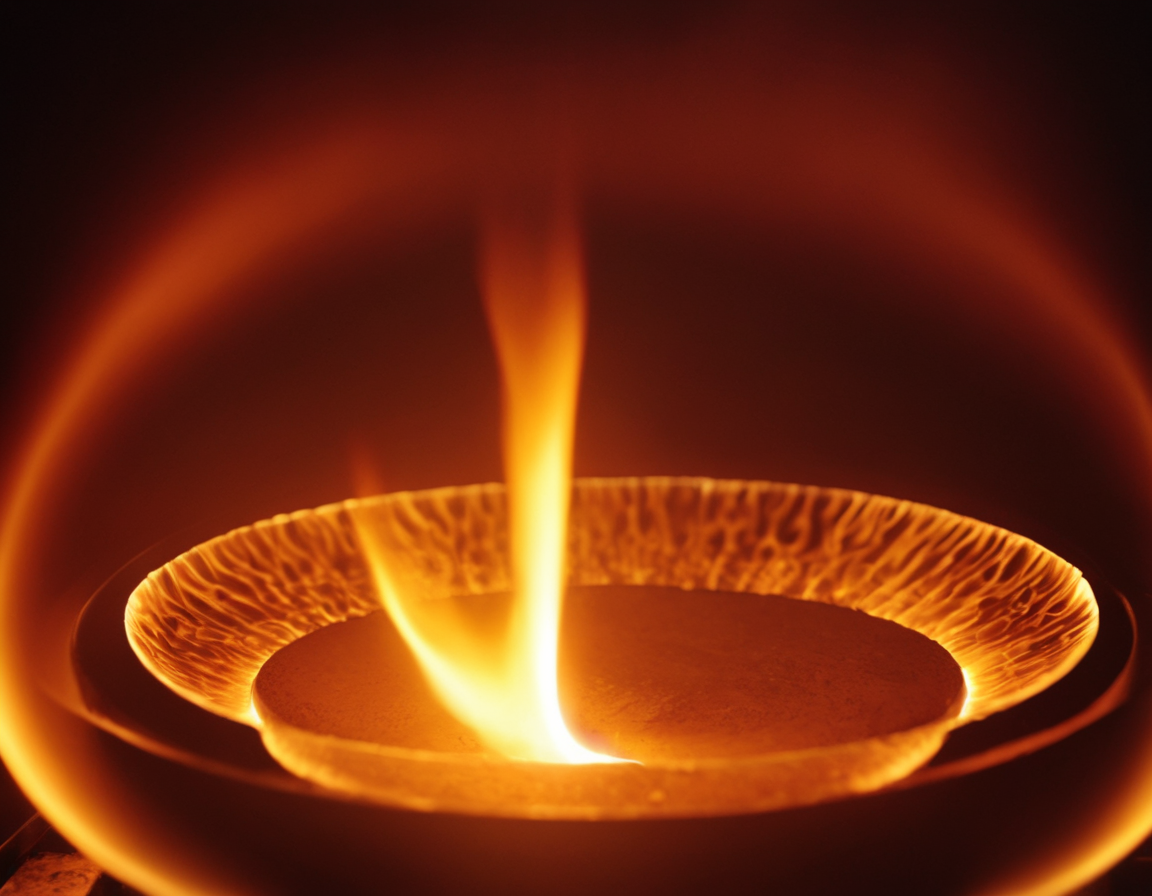
The Current Relevance of Combustion
Today, combustion is at the heart of global energy production, accounting for a significant portion of the energy generated worldwide. From automobiles to industrial applications, combustion engines drive economic activities by converting chemical energy into mechanical work.
However, the efficiency and environmental impact of combustion processes are subjects of ongoing research and debate. As the world shifts towards greener energy sources, improving combustion efficiency and reducing emissions have become focal points for scientists and engineers.
Expert Opinions on Combustion Innovations
In recent years, researchers have been exploring advanced combustion techniques such as Homogeneous Charge Compression Ignition (HCCI) and Low-Temperature Combustion (LTC) as pathways to achieve higher efficiency with lower emissions. According to Dr. Elena Ramirez, a leading researcher in combustion technology, “Innovations in combustion process are critical for a sustainable energy future. They are not only about efficiency but also about making a significant environmental impact.” 
Real-World Impact of Combustion
The impact of combustion is visible in various sectors including transportation, power generation, and manufacturing. The transportation industry, largely dependent on internal combustion engines, faces significant pressure to innovate amidst stricter emission regulations.
Industries are also using combustion technologies to optimize processes, saving energy and reducing costs. The adoption of cogeneration systems, which simultaneously produce electricity and heat using combustion, is an example of how industries are utilizing advanced combustion processes to increase efficiency.
The Future Outlook of Combustion and Flame
The future of combustion is likely to be dictated by the global trend towards clean and renewable energy sources. The push for electric vehicles and renewable energy systems is strong, but combustion technology will still play a role, particularly in sectors where immediate electrification is not feasible.
Furthermore, combustion-based power systems are evaluating ways to integrate with renewables, creating hybrid systems that maximize energy output while minimizing environmental impact. These hybrid solutions can pave the way for a more sustainable future. 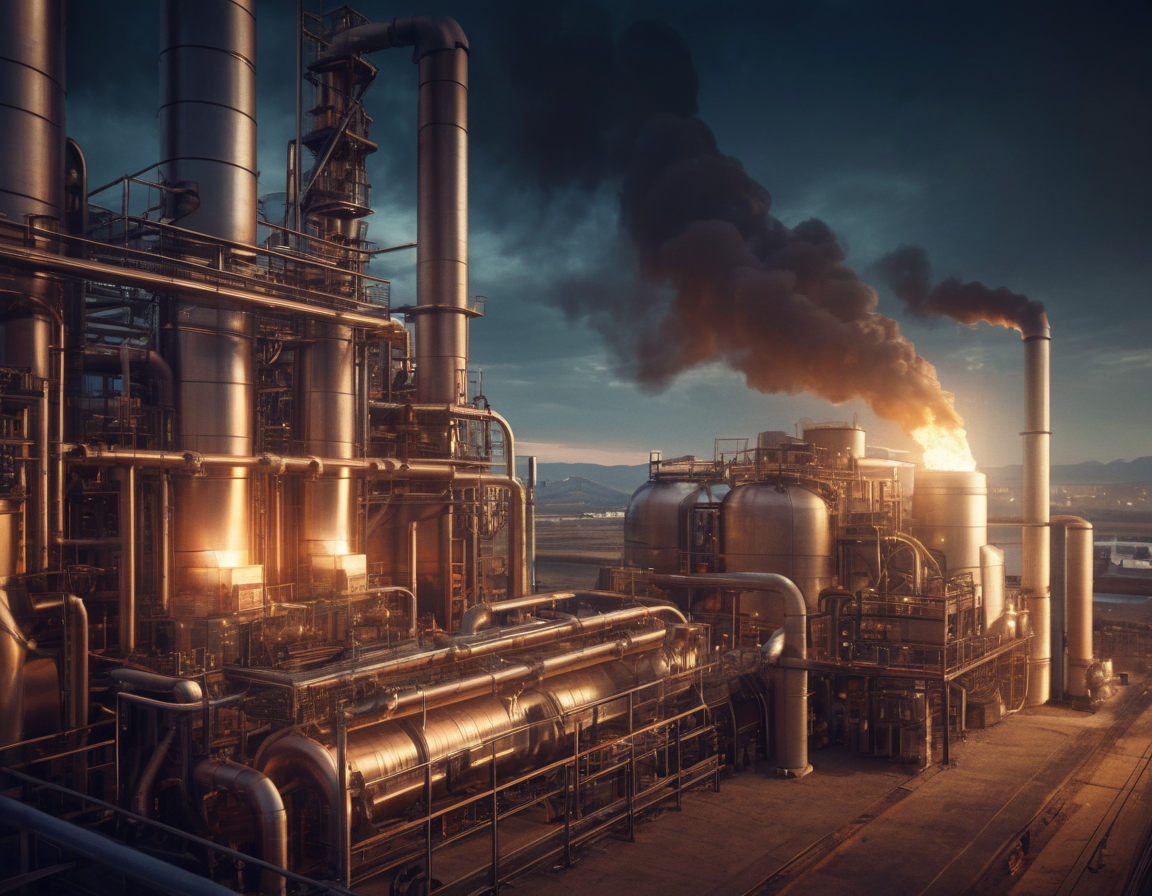
“The evolution of combustion and flame is crucial not just for the present, but for crafting a sustainable energy ecosystem,” asserts Professor Liam Chen, an expert in sustainable energy technologies.
As we navigate pressing environmental challenges, the role of combustion science and technology becomes increasingly significant. It’s imperative that we continue research and development in this field to ensure a balance between energy needs and environmental protection.
Interested in learning more about the latest advancements in combustion technology? Subscribe to our newsletter for updates and insights from experts in the field!