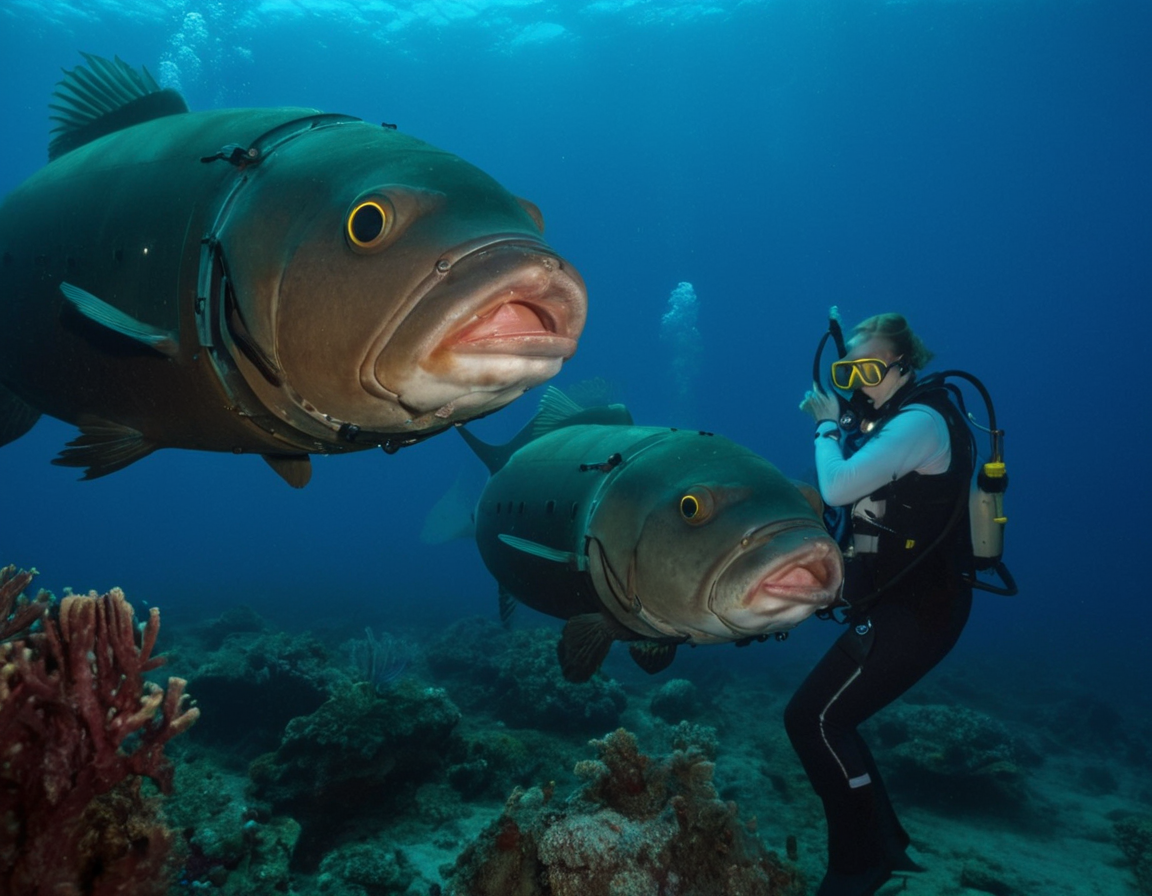
Unveiling the Mysteries of Deep-Sea Creatures: The Fangtooth Fish
Exploring the Depths: The Fangtooth Fish
The deep sea is one of the last unexplored frontiers on Earth, teeming with mysterious life forms that have adapted to extreme conditions. Among these enigmatic creatures is the Fangtooth fish, a species that may sound like it’s straight out of a horror movie. In this deep-dive article, we’ll uncover the secrets of the Fangtooth fish, its habitat, and its significance to marine biology. 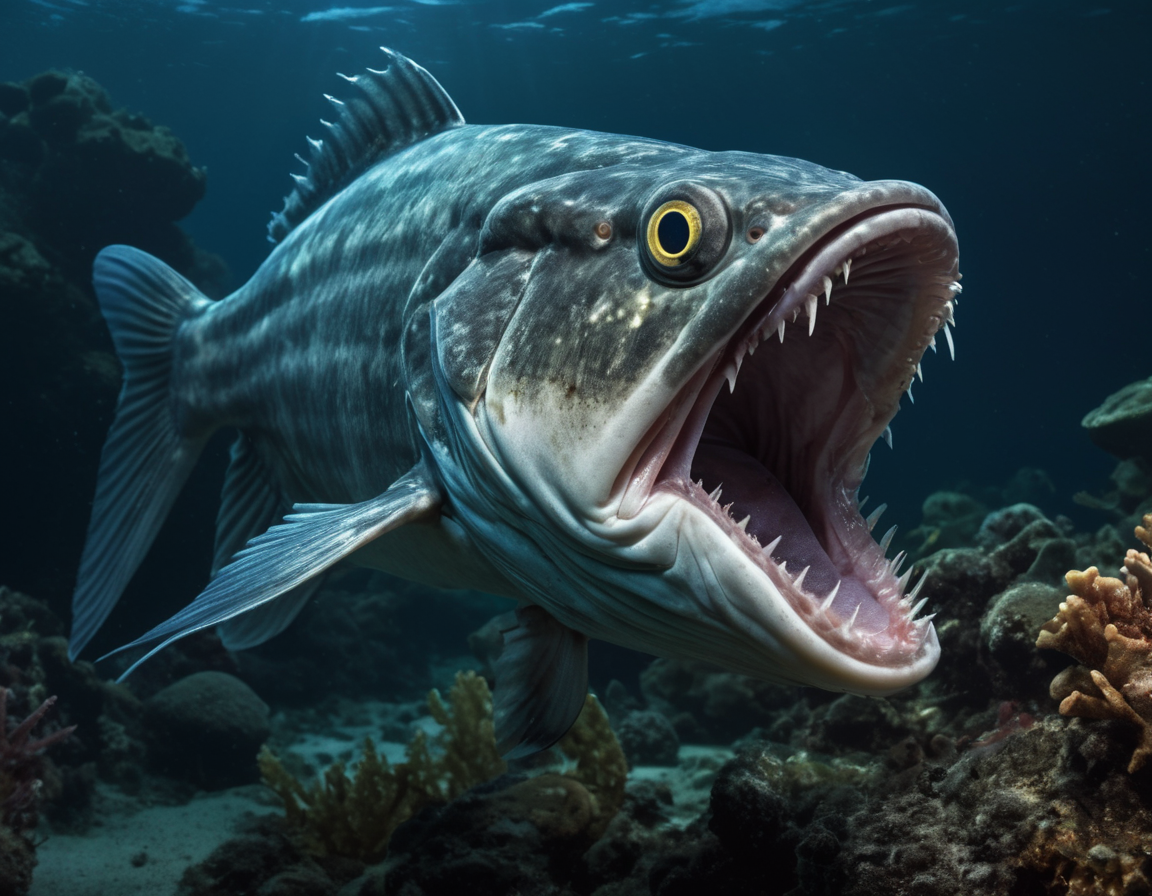
Introduction to the Fangtooth Fish
Residing in the pitch-black waters of the deep sea, the Fangtooth fish, also known by its scientific name Anoplogaster cornuta, is a perplexing specimen that has intrigued scientists for years. With its oversized teeth and formidable appearance, the Fangtooth fish has a reputation as one of the most menacing-looking creatures lurking in the ocean depths.
Morphology and Unique Adaptations
The Fangtooth fish’s most distinctive feature is its long, sharp teeth, which it uses to grab prey in an environment where food is scarce. Despite its ferocious appearance, the fish is relatively small, growing no more than six inches. Its dark body allows it to camouflage in the deep sea, and its specialized swim bladder enables it to withstand crushing pressures.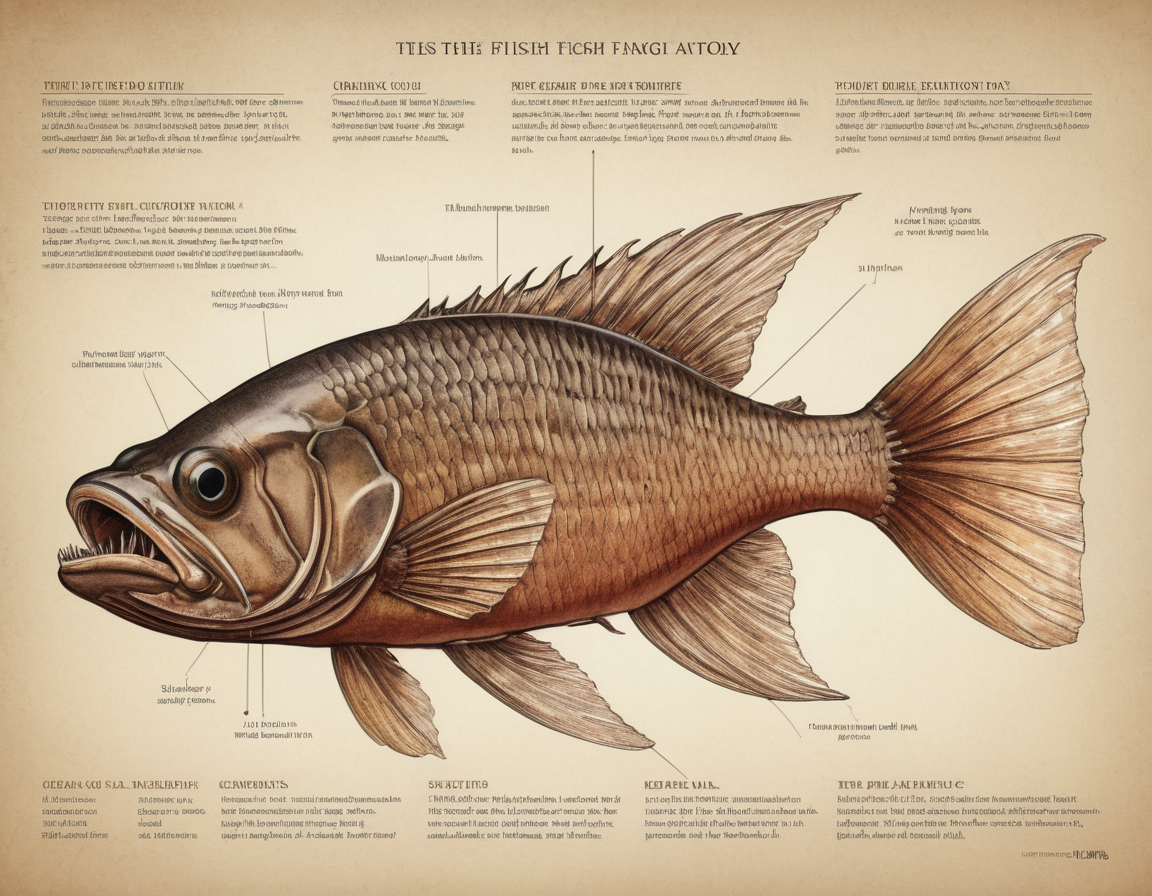
Habitat and Distribution
Fangtooth fish are found in the deep waters of tropical and cold-temperate oceans worldwide. They typically reside at depths of 2,000 to 5,000 meters, making them one of the deepest-living fish species known to man.
Feeding and Behavior
As predators, Fangtooth fish feed on smaller fish and squid. Their diet is a testament to their adaptability, as they have perfected the art of living in a food-limited environment, consuming whatever is available.
Scientific and Environmental Importance
Studying creatures like the Fangtooth fish is critical for understanding the complex ecosystem of the deep sea and the impact of human activities on these habitats. The existence of Fangtooth fish and similar species can provide insights into the health of the deep-sea environment, acting as indicators of change. 
Conclusion: Protecting the Mysteries of the Deep
The Fangtooth fish is just one example of the incredible life forms that inhabit the Earth’s oceans. As we continue to explore the mysteries of the deep, it’s crucial to ensure the conservation of these habitats. Through sustained research and science-based policy, we can protect the ocean’s enigmatic residents for future generations to uncover.
Discover more fascinating marine life and the efforts to conserve their habitats by staying updated with our blog. Share this post and encourage others to dive into the wonders of the deep sea.