Embracing Ancient Wisdom: The Compelling Tale of the Epidaurus Theater
The Enchanting History of the Epidaurus Theater
Step into the past and explore the riveting history and architecture of one of the most well-preserved theaters of Ancient Greece—the Epidaurus Theater. Nestled in the region of the Peloponnese, this archaeological wonder has stood the test of time, telling tales of drama, culture, and ancient healing practices. 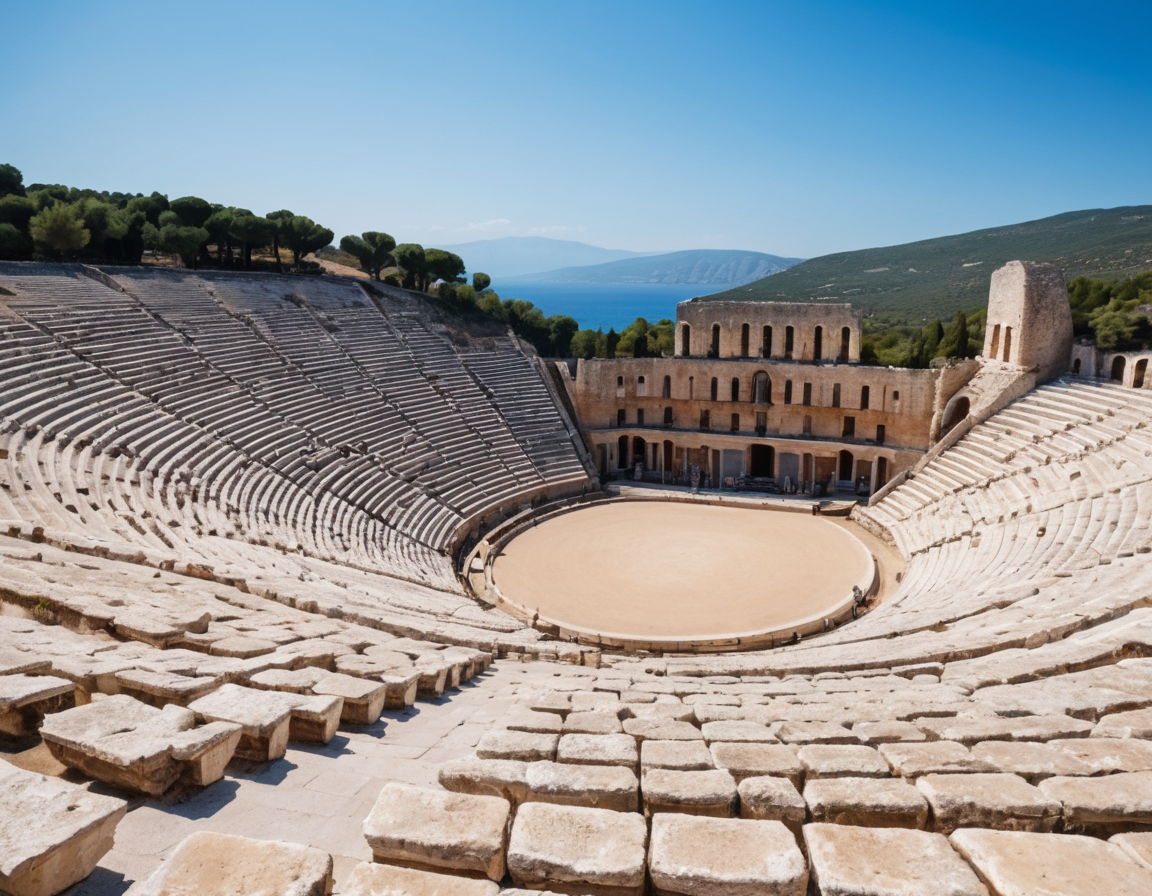
Origins and Architectural Splendor
Built in the 4th century BC, the Epidaurus Theater was designed by the architect Polykleitos the Younger. Constructed within the sanctuary of Asklepios, the Greek god of medicine, the theater served both as a place of entertainment and healing, as it was believed that watching plays contributed to the mental and physical wellbeing of the audience.
The theater’s unparalleled acoustic and architectural design has captivated visitors for centuries. Its structure is divided into two main sections: the orchestra and the cavea. The former is a circular floor at the center of the theater where actors performed, while the cavea is the semi-circular auditorium comprised of limestone tiers capable of seating up to 14,000 spectators.
A Testament to Acoustic Mastery
Epidaurus is renowned for its exceptional acoustics. Engineers and architects still marvel at how a whisper onstage can be heard clearly at the very top tier, making it an architectural feat for its time. Modern studies have attributed this phenomenon to the theater’s design, including the limestone material which possibly filters low-frequency noises and enhances higher-frequency sounds.
Cultural Legacy and Modern Celebrations
The theater’s influence extends far beyond its physical structure. It hosted music and dramatic competitions during the height of its use and continues to be a venue for the annual Athens and Epidaurus Festival, connecting spectators with the effervescent spirit of Greek drama. 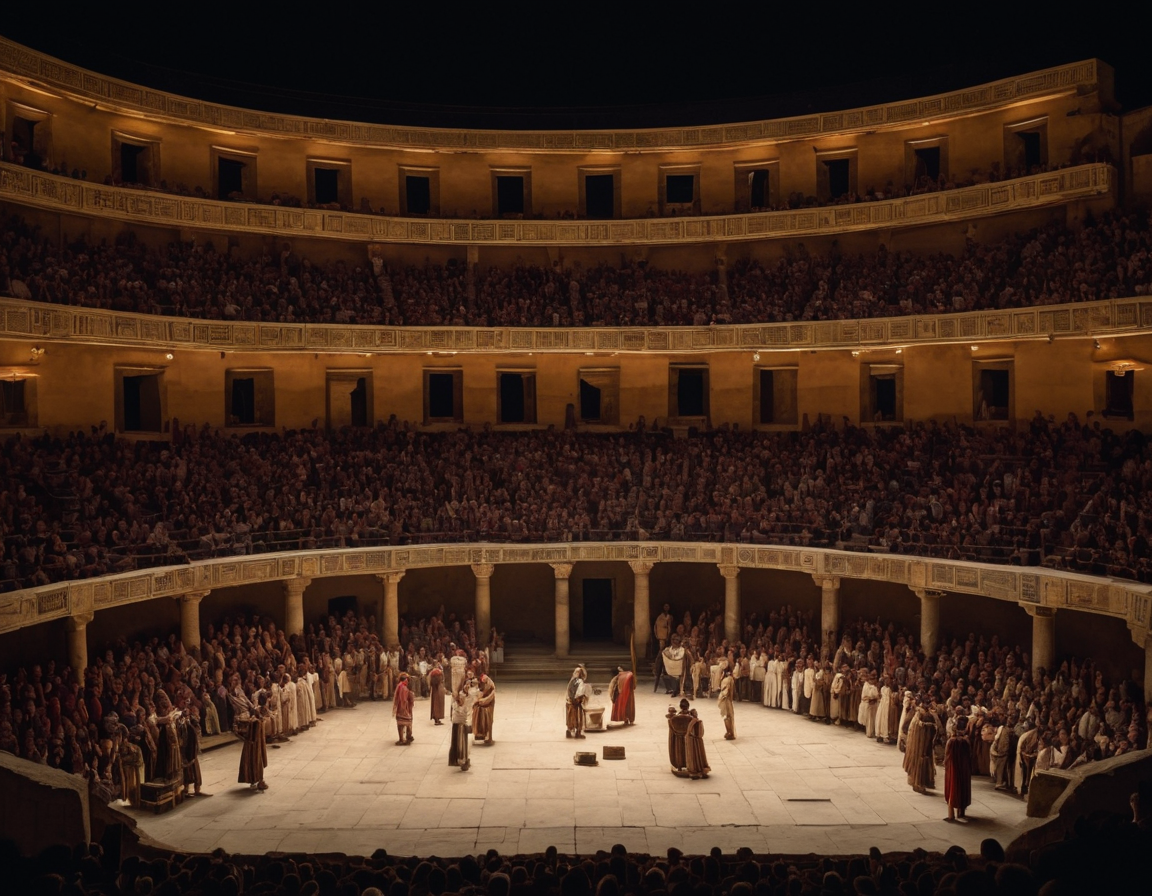
The allure of the Epidaurus Theater transcends time, enticing not only those interested in ancient history but also inspiring contemporary architects and acousticians around the world. As a UNESCO World Heritage site, it remains a vibrant symbol of the rich narrative of human artistic expression.
Visiting the Theater Today
For those wishing to experience the magic of the Epidaurus Theater firsthand, it stands open to visitors, offering a journey through time and a glimpse into the cultural heartbeat of ancient Greece. It is an experience that combines art, history, and science, reminding us of humanity’s age-old quest for understanding and beauty. 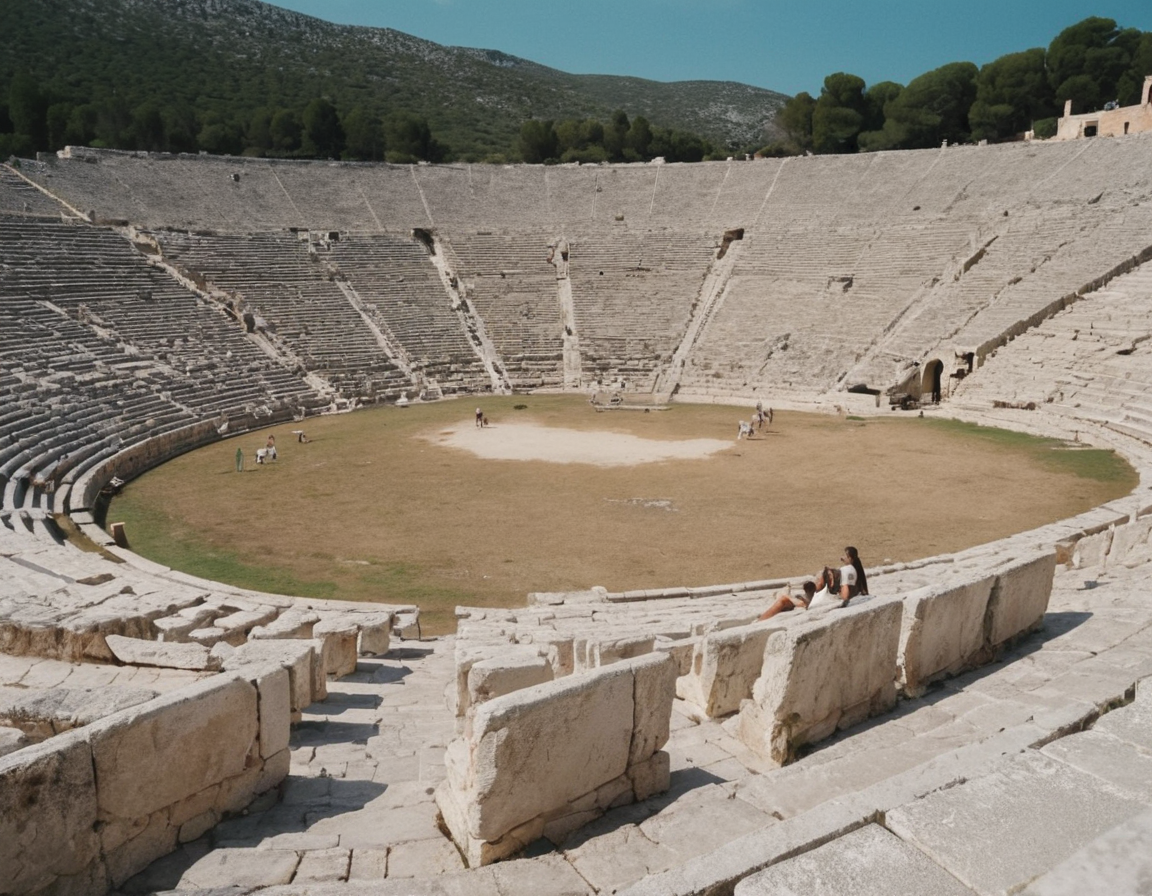
Are you ready to step into the amphitheater and let the stones speak of antiquity? Comment below with your thoughts or share this article to ignite the passion for history in others!