Unveiling the Mysteries of Quantum Computing: A Concise Guide
An Introduction to Quantum Computing
In the landscape of technological innovation, quantum computing has emerged as a revolutionary frontier. Unlike classical computing, which relies on bits to process information, quantum computing uses quantum bits, or qubits, to perform complex calculations at unprecedented speeds. 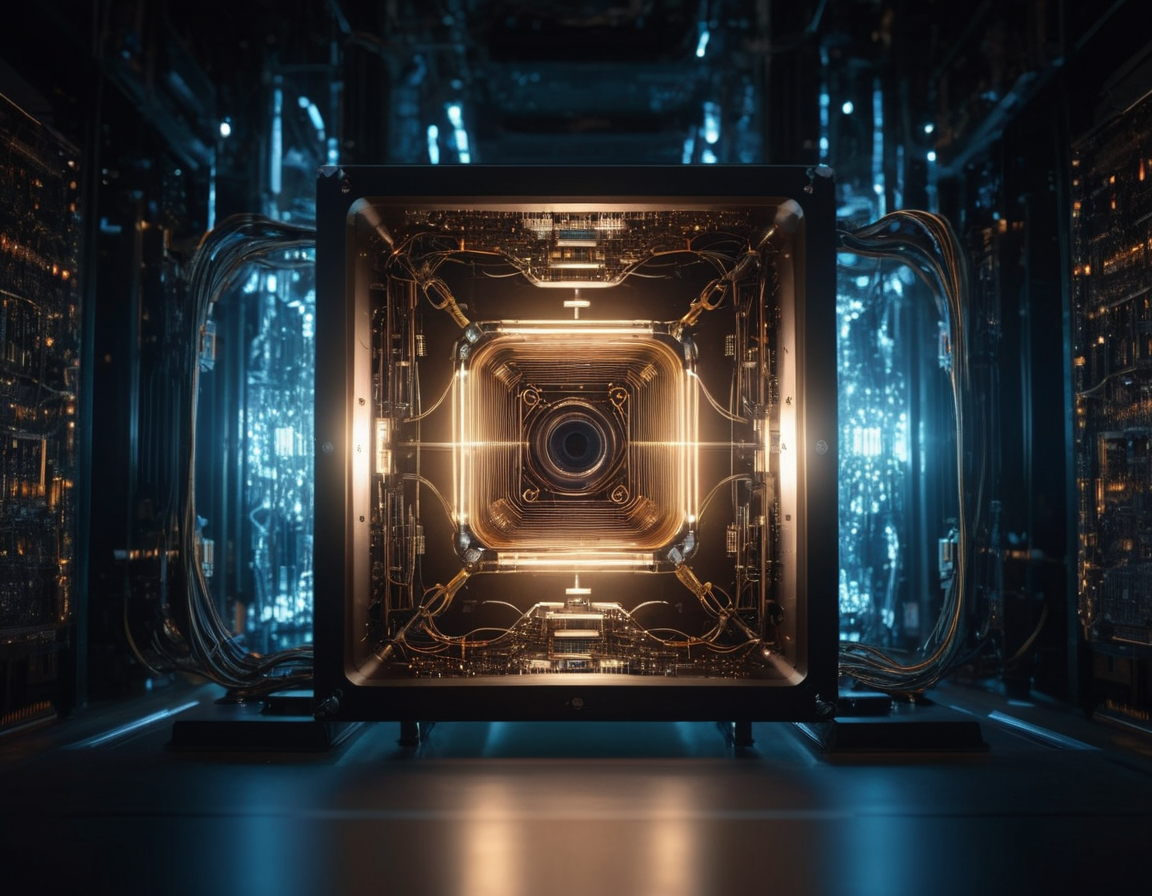
The Basics of Quantum Computing
At the heart of quantum computing is the concept of superposition, which allows qubits to represent multiple states simultaneously, drastically increasing computing power. Moreover, the principle of entanglement links qubits across vast distances, ensuring that the state of one immediately affects the other. These characteristics create new possibilities for solving intricate problems in cryptography, optimization, and simulation.
How Quantum Computers Work
Quantum computers operate fundamentally differently from traditional computers. While a classical computer carries out logical operations using binary bits (either 0 or 1), a quantum computer operates with qubits. These qubits can exist in a state of 0, 1, or both due to superposition.
Quantum Computing’s Potential Impact
The realm of quantum computing holds promise for significant advancements in various fields. From developing new medications to resolving complex logistical challenges, the potential applications are diverse and far-reaching. This groundbreaking technology could change the face of artificial intelligence and machine learning, enhancing their capabilities beyond current understanding.
Current State of Quantum Computing
Despite the potential, quantum computing is still in its infancy. Breakthroughs are occurring at a brisk pace, with tech giants and startups alike racing to achieve quantum supremacy – the point at which a quantum computer can outperform the most powerful classical computers. 
Understanding Quantum Supremacy
Quantum supremacy is a term that describes a quantum computer’s ability to solve a problem no classical computer can solve in a reasonable timeframe. This milestone is symbolic, indicating that quantum computers are transitioning from theoretical constructs to practical machines.
The Future of Quantum Computing
The trajectory of quantum computing is being shaped by constant experimentation and investment. As scientists and engineers make strides in overcoming technical hurdles, the day when quantum computers become a common tool in industries is coming closer to reality.
Despite the excitement, the widespread adoption of quantum computing faces substantial technical challenges. These include error correction, scalability, and the creation of stable qubits that can function outside of laboratory conditions. Yet, with each scientific leap, we march closer to harnessing the full potential of quantum computing.
Quantum computing may seem like a concept from science fiction, but it is rapidly becoming an integral part of our scientific and technological landscape. As we continue to unlock the secrets of quantum mechanics, the future of computing holds endless possibilities. 
Ready to dive deeper into quantum computing? Share your thoughts about how this transformative technology will shape our future.