Exploring the Mysteries of the Antikythera Mechanism: An Ancient Astronomical Calculator
Unraveling the Secrets of the Antikythera Mechanism
Discovered in the early 1900s within a shipwreck off the Greek island of Antikythera, the Antikythera Mechanism has puzzled and fascinated historians, archaeologists, and scientists for over a century. Join us as we delve into the history, purpose, and continuing legacy of what is often referred to as the world’s first known analog computer.
The Discovery and Significance
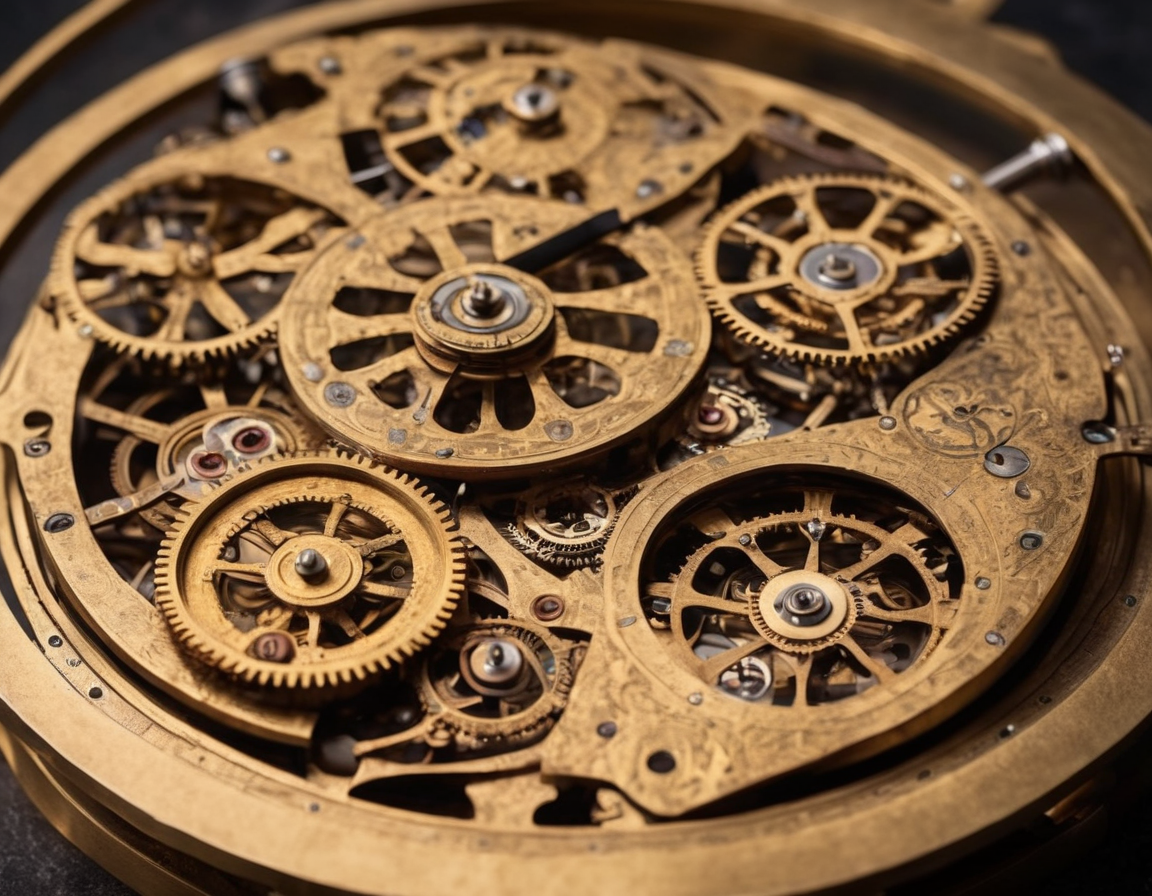
The Antikythera Mechanism was discovered in 1901 by sponge divers led by Captain Dimitrios Kontos. What appeared to be a corroded chunk of metal and wood turned out to be one of the most astonishing archeological finds of the 20th century. The device, dating to around 100 BCE, is a sophisticated assortment of at least 30 meshing bronze gears contained within a case made of wood and bronze plates.

The Device’s Complex Workings
Extensive research has revealed that the device was used to predict celestial events such as eclipses and to track the cycles of the Solar System. The front dial displays the Greek zodiac and a solar calendar, while the back dial is divided into sections for predicting lunar and solar eclipses. Moreover, the mechanism could track the four-year Olympiad cycle of athletic games in ancient Greece, which was similar to today’s Olympic Games.
Deciphering the Mechanism’s Inscriptions
Inscriptions on the Antikythera Mechanism provide valuable clues about its functions. Scholars have translated these texts, and they are considered as a user manual for the device. The inscriptions detail how the various dials and scales are to be read and provide philosophical commentary on the cosmos as seen by the ancient Greeks.
Legacy and Modern Reconstructions
The Antikythera Mechanism’s complexity suggests that there might have been a tradition of mechanical technology that has otherwise been lost to history. Its design has inspired several modern reconstructions, each attempting to unlock further secrets of the ancient world’s technology. The Mechanism has significantly influenced how we view ancient Greek science and mechanical engineering.

In conclusion, the Antikythera Mechanism stands as a testament to the ingenuity and knowledge of ancient civilizations. As modern technology allows us to understand its complexities even further, it continues to enthral and inspire inquiry into the scientific capabilities of the past.
Join the conversation and share your thoughts on this incredible piece of ancient technology. What implications does the Antikythera Mechanism have for understanding our history? Let us know in the comments below!