Exploring the Treaties of the Ottoman Empire: Historical Significance and Modern Relevance
Understanding the Treaties of the Ottoman Empire and Their Lasting Impact
The Ottoman Empire, one of the most influential empires in world history, played a pivotal role in shaping global politics and economics through a series of treaties. These treaties not only defined borders and alliances but also had long-lasting effects on modern-day international relations. In this blog post, we delve into some key treaties of the Ottoman Empire, exploring their significance and relevance today. 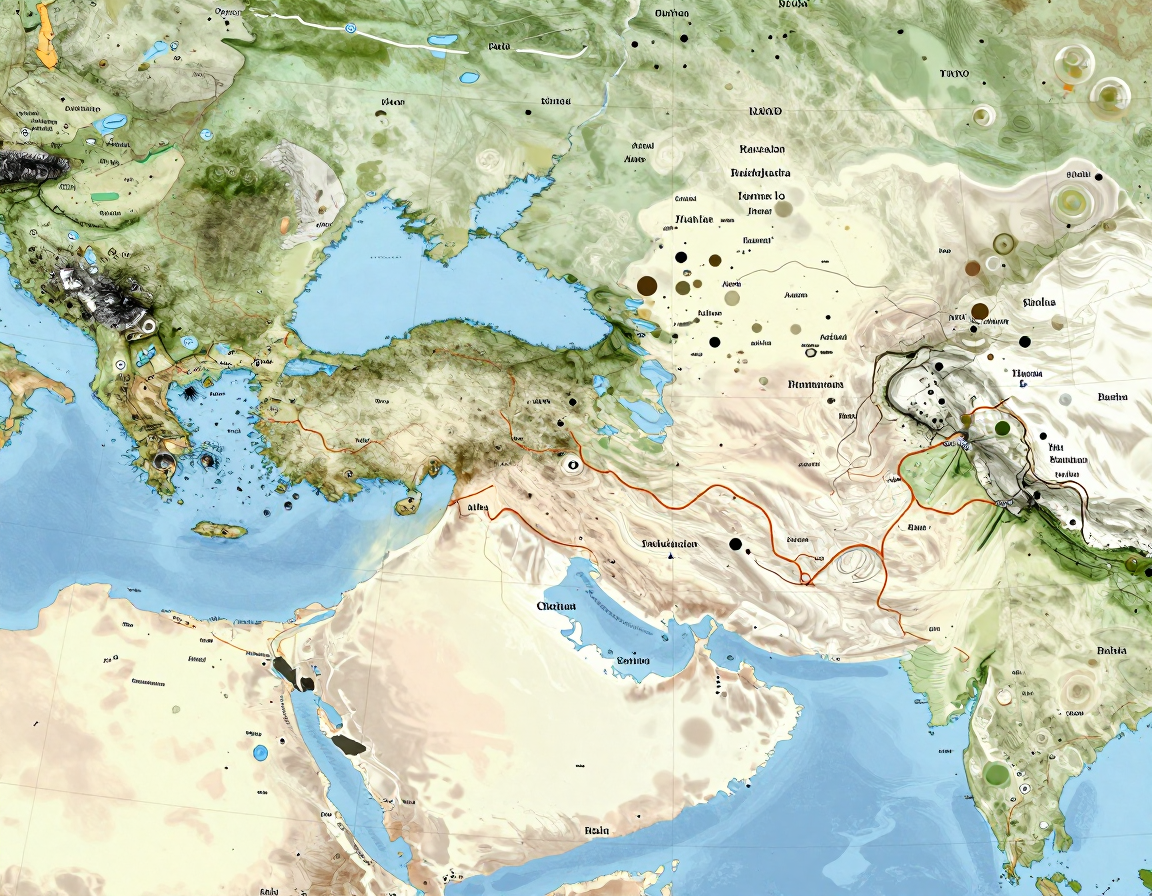
Background: The Rise and Reach of the Ottoman Empire
The Ottoman Empire, which lasted from approximately 1299 to 1922, was a formidable power that spanned Southeast Europe, Western Asia, and North Africa. Its strategic location made it a central player in European and Middle Eastern politics. During its peak, the empire engaged in numerous treaties that helped it to expand and maintain its influence.
Key Treaties and Their Historical Significance
- The Treaty of Küçük Kaynarca (1774): This treaty marked the end of the Russo-Turkish War and had profound implications for the empire’s influence in Eastern Europe and the Black Sea region.
- The Treaty of Sèvres (1920): Aimed to dismantle the Ottoman Empire after World War I, this treaty significantly affected the geopolitical landscape of the Middle East.
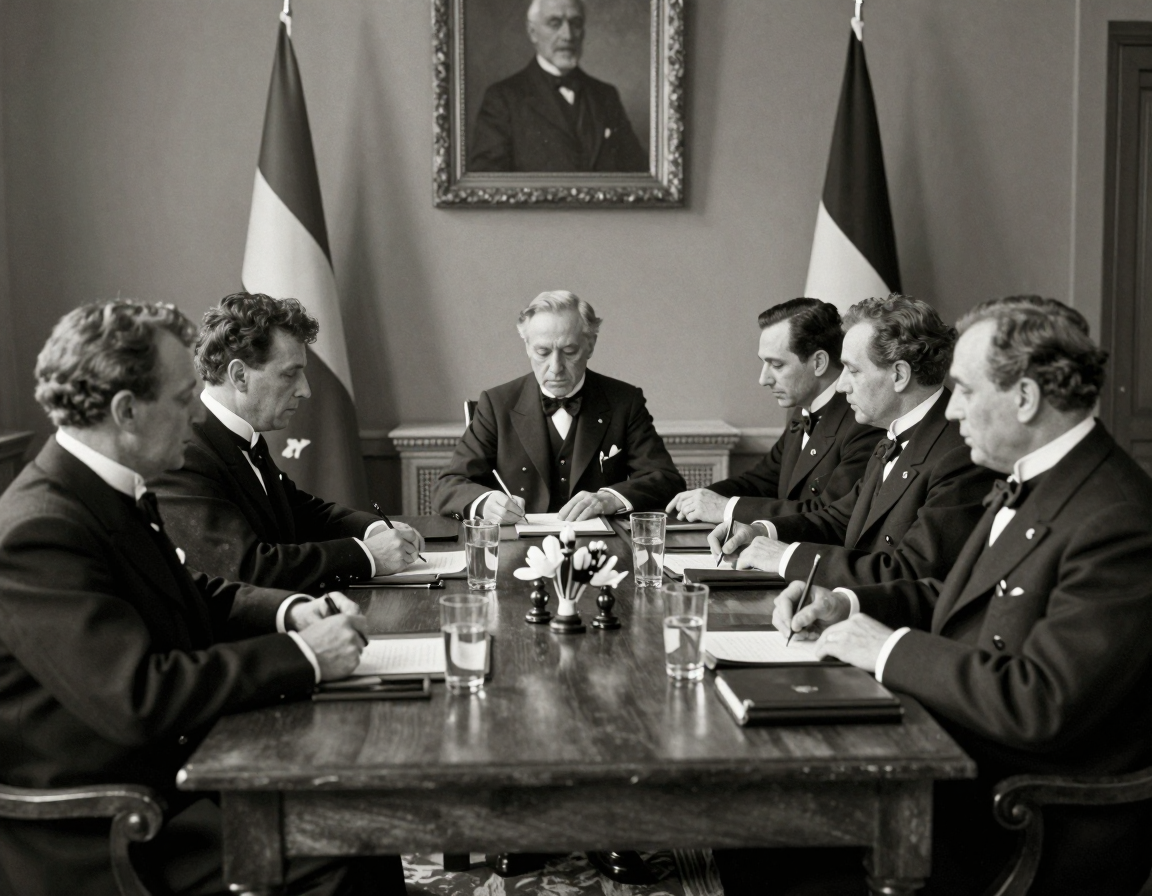
- The Treaty of Lausanne (1923): Following the Turkish War of Independence, this treaty revised the terms set out by the Treaty of Sèvres, establishing the boundaries of modern Turkey.
Current Relevance: Lines Drawn in History
These treaties have left a lasting legacy on international boundaries and intercultural relations. Many of the modern states in the Balkans and the Middle East were directly shaped by these agreements, making them crucial to understanding current geopolitics. 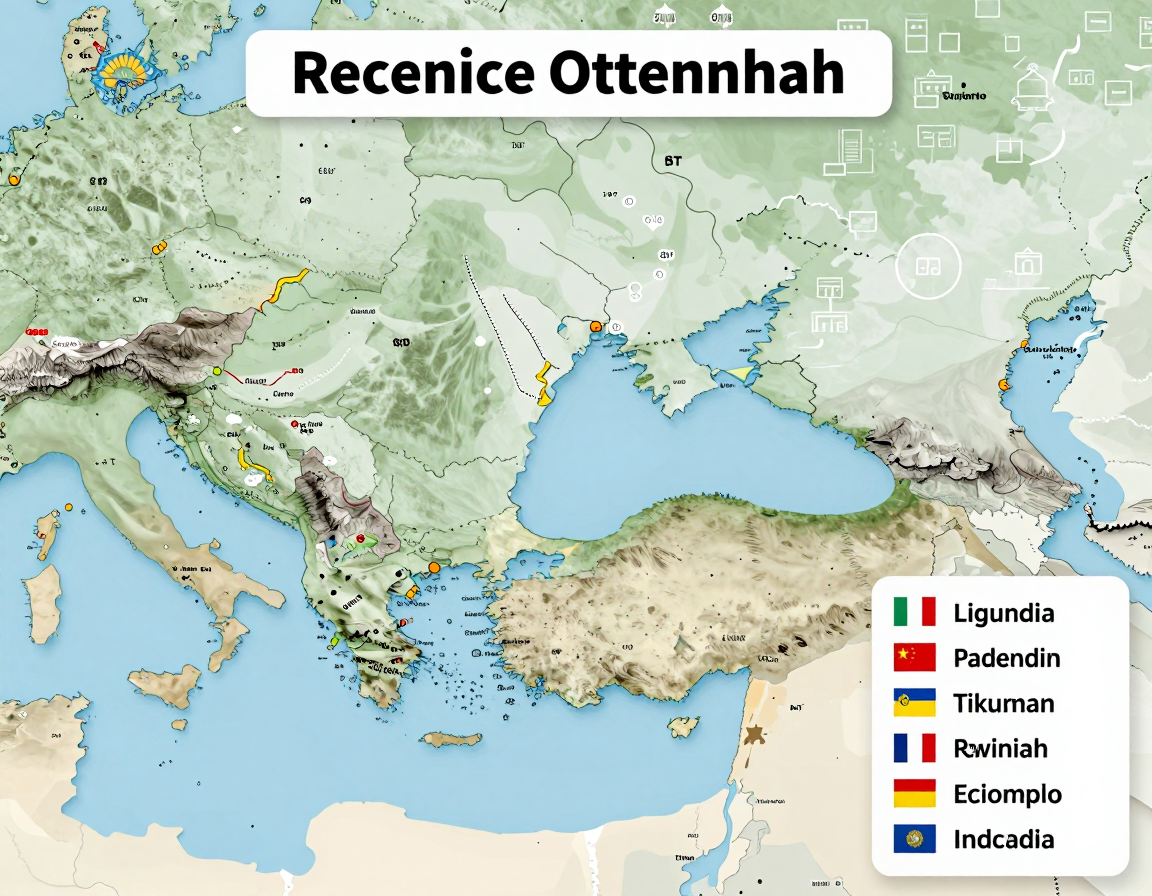
Expert Opinions: Scholars Weigh In
“The treaties of the Ottoman Empire were not merely documents of diplomacy but were instruments of power that reshaped entire regions,” says Dr. Selim Karabekir, a historian specializing in Ottoman studies.
Researchers today are investigating how these treaties can inform modern diplomatic strategies and conflict resolutions.
Real-World Impact: From Past to Present
The ramifications of these treaties can be seen in ongoing territorial disputes and cultural dynamics in affected regions. For example, the redefined borders have influenced ethnic tensions, resource distribution, and political alliances that persist to this day.
Future Outlook: Lessons Learned from History
Understanding the treaties of the Ottoman Empire can offer invaluable insights for current and future policymakers. As global tensions rise over territorial claims and national sovereignty, the lessons of the past hold the key to more peaceful and diplomatic solutions.
Conclusion: The treaties of the Ottoman Empire remain relevant as they continue to inform our understanding of global politics and regional dynamics. By examining these agreements, we can glean lessons that may guide us toward a more harmonious future. Engage with our platform through comments or reach out on social media to share your thoughts on how history can inform modern decision-making.