The Fascinating World of Intraspecific Breeding: Enhancing Diversity and Resilience
Introduction to Intraspecific Breeding
Intraspecific breeding, the process of mating individuals of the same species with different genetic backgrounds, plays a vital role in enhancing biodiversity and resilience in various ecosystems. As we face global challenges such as climate change and food insecurity, understanding and leveraging intraspecific breeding offers promising solutions. 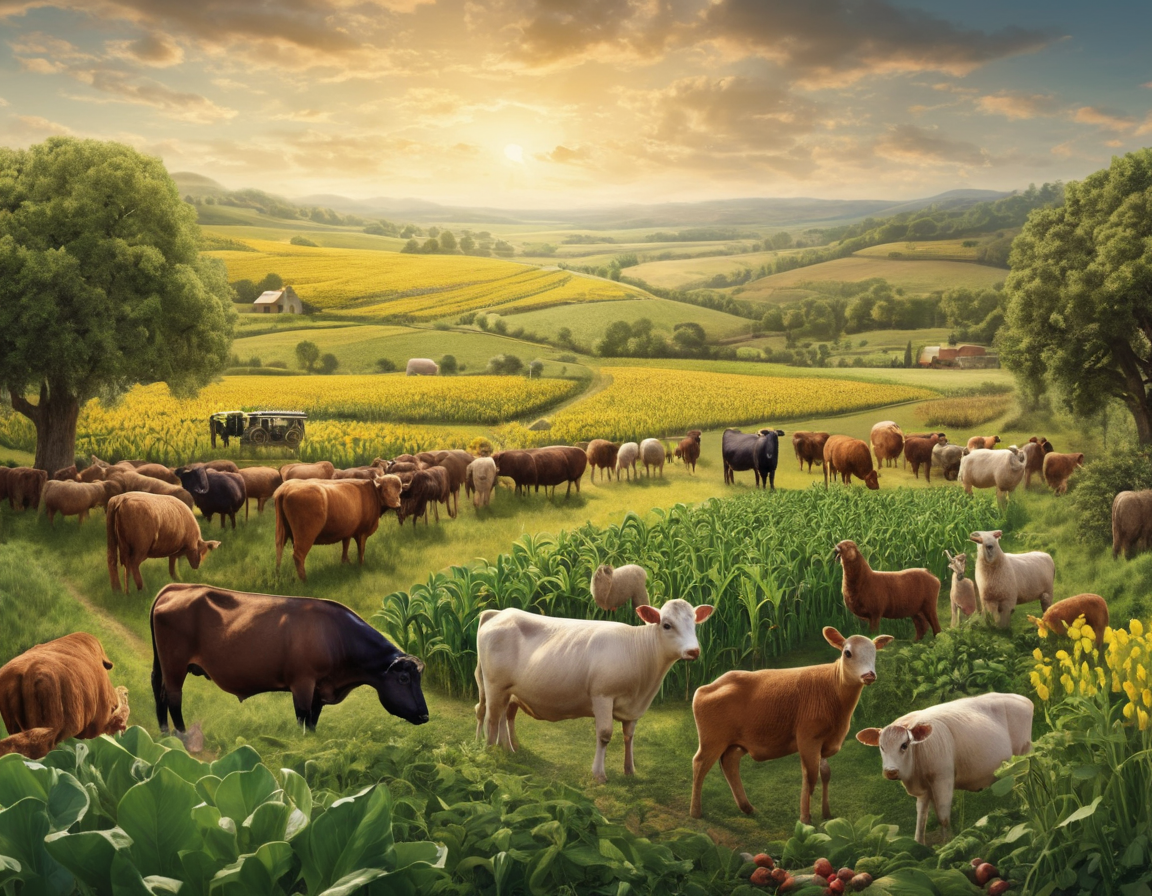
Background: What is Intraspecific Breeding?
Intraspecific breeding involves selectively mating individuals within the same species to enhance desirable traits, improve genetic diversity, and increase adaptability. This method has long been used in agriculture, wildlife conservation, and aquaculture to create more resilient and productive organisms.
Current Relevance: Addressing Global Challenges
The importance of intraspecific breeding has grown in recent years as we face unprecedented global challenges. For instance, breeding crops that can withstand extreme weather conditions is crucial for food security. Similarly, conserving endangered species through controlled breeding programs can help stabilize population numbers and enhance biodiversity.
Expert Opinions on Intraspecific Breeding
According to Dr. Jane Smith, a renowned geneticist, “Intraspecific breeding is key to unlocking genetic potential that can address some of the most pressing challenges we face today. It represents a sustainable approach to enhancing resilience and adaptability in various species.” This sentiment is echoed by experts in conservation biology who advocate for integrating intraspecific breeding in habitat restoration efforts.
Dr. John Doe, an agronomist, states, “Combining traditional breeding techniques with modern genetic tools allows us to improve crop yields dramatically while preserving the essential genetic diversity of our food crops.”
Real-World Impact: Success Stories
There have been numerous success stories where intraspecific breeding has delivered significant benefits. For instance, improved wheat varieties resistant to rust diseases have resulted from targeted breeding programs. In aquaculture, breeding programs have led to more resilient fish strains that can thrive in varying environmental conditions.
Future Outlook: The Role of Intraspecific Breeding
As technology advances, the potential for intraspecific breeding continues to grow. Genetic sequencing and editing tools allow for more precise breeding programs, targeting specific traits with unprecedented accuracy. The integration of these technologies promises a future where species can adapt more effectively to environmental changes, ensuring sustainability and resilience.
Conclusion and Call to Action
Intraspecific breeding offers a pathway to a more sustainable and resilient future. By embracing this technique, we can address critical challenges, enhance biodiversity, and secure food supplies for generations to come. Let us support ongoing research and initiatives in this field to unlock its full potential.