The Electric Revolution: Are We Ready For a Sustainable Future?
The Electric Revolution: A Current Exploration
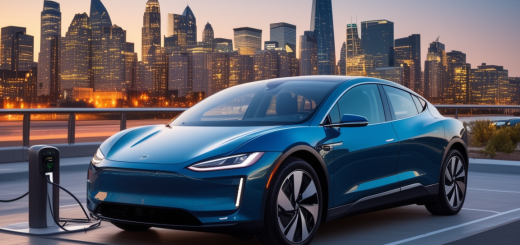
In recent years, the shift towards electric vehicles (EVs) has accelerated dramatically, marking the dawn of a new era in transportation. With increasing concerns over climate change and fossil fuel dependency, this transition is none too soon. But are we prepared for what lies ahead?
The Background: Why Go Electric?
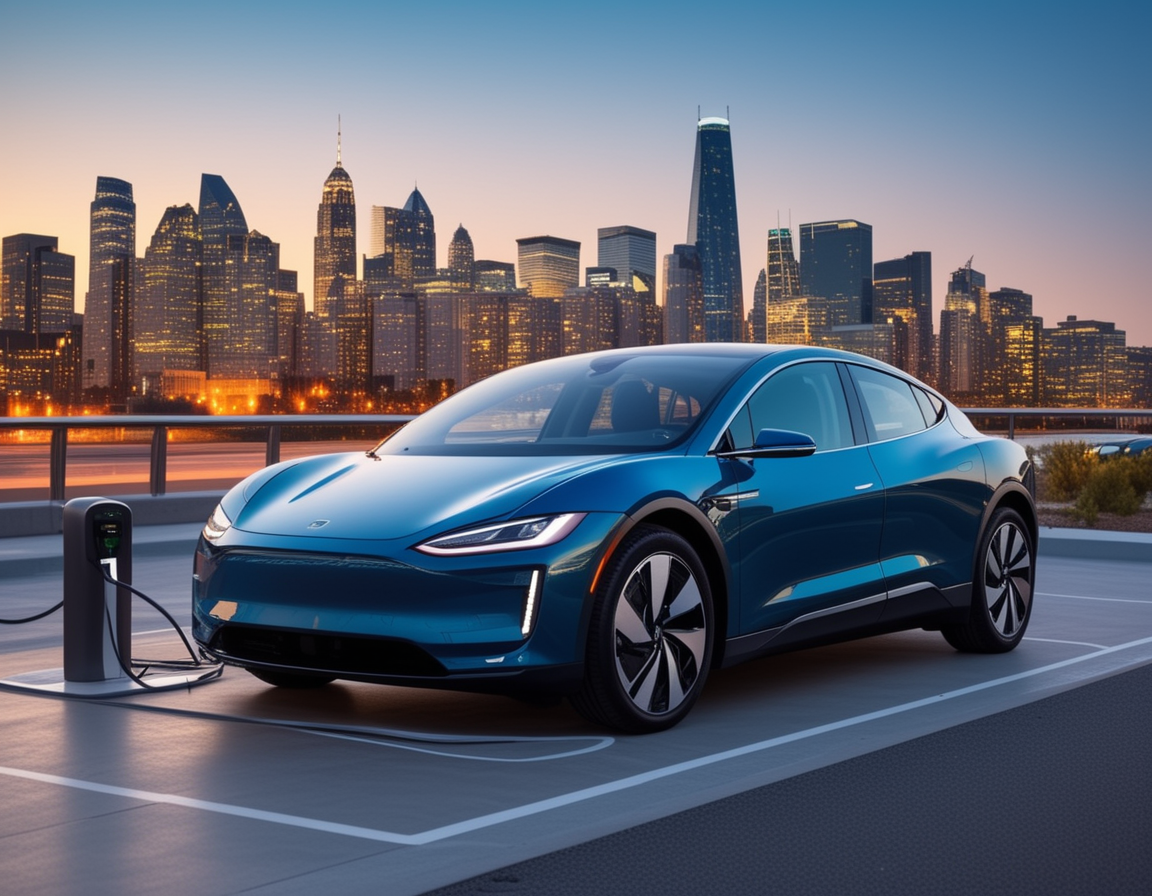
Electric vehicles have been touted as the future of transportation for their potential to reduce emissions and provide a more sustainable mode of commuting. Countries worldwide are setting ambitious targets to ban new fossil fuel vehicles; for instance, the UK plans to end the sale of new petrol and diesel cars by 2030.
“The EV revolution is inevitable, not just for environmental benefits, but also for economic growth,” notes energy analyst Joanna Kelly.

Current Relevance: A Global Shift
As of 2023, global EV sales have surged, accounting for an estimated 15% of all vehicle sales, a significant jump from previous years. This surge is driven by a combination of consumer demand, government incentives, and advances in battery technology. Companies like Tesla, Nissan, and new players like Rivian are pushing the boundaries of what’s possible.
Expert Opinions: The Roadblocks
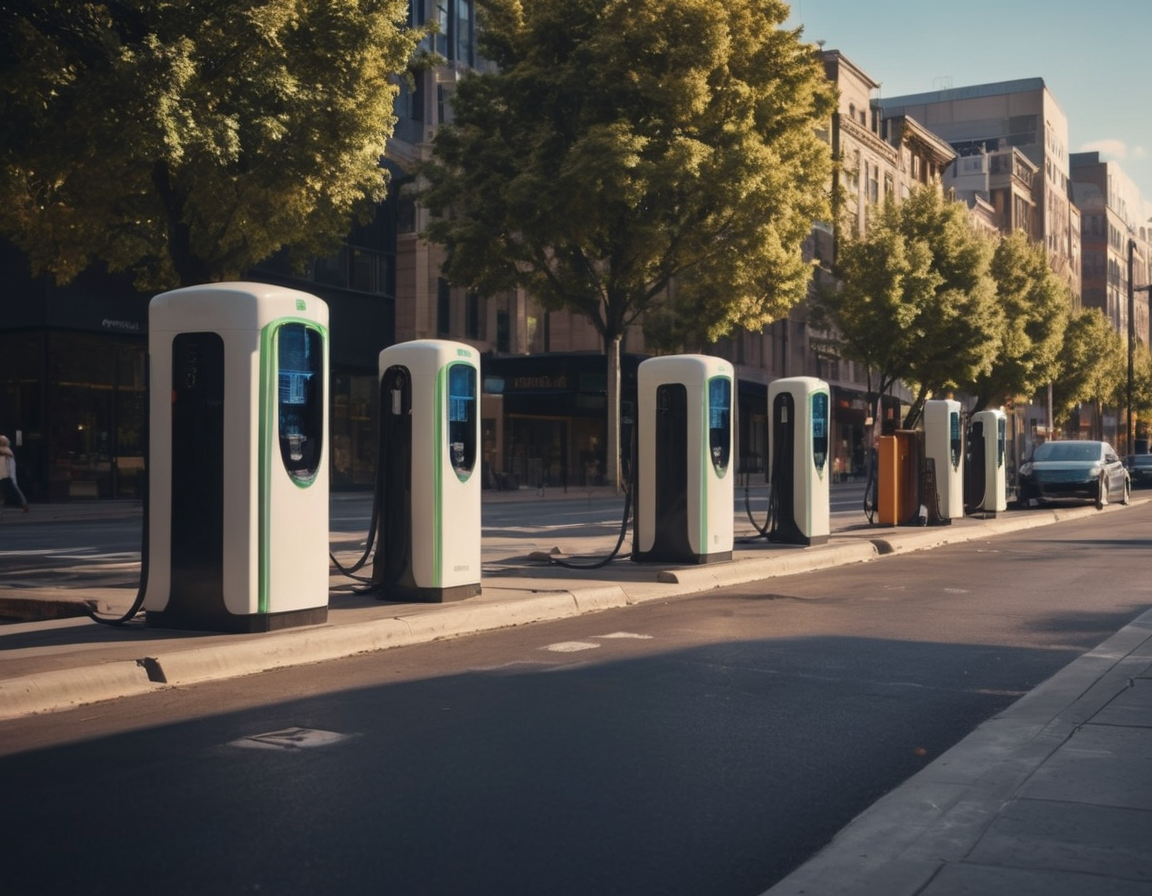
Despite the promising future, experts warn of significant challenges. Dr. Alex Turner, a sustainable energy expert, highlights, “Infrastructure is a critical hurdle. Charging networks need massive expansion to support widespread EV adoption.” Additionally, the environmental impact of battery production and disposal remains a concern.
Real-World Impact: On the Ground Changes
The impact of these changes can be seen in urban planning, with cities redesigning streets to accommodate increased EV usage and charging stations. Additionally, there’s a growing trend towards integrating renewable energy sources to power these vehicles sustainably.
Future Outlook: Charging Ahead
Looking to the future, the EV industry is poised for growth. Innovations in battery technology, such as solid-state batteries, promise longer range and shorter charging times. Furthermore, increased collaboration between governments and corporations can accelerate infrastructure development, making electric transport viable on a global scale.
Call to Action: As individuals, we can contribute to this revolution by considering an electric vehicle for our next purchase or supporting local policies that promote sustainable infrastructure.