The Song Is You: Music and the Individual in the Digital Age
The Song Is You: Understanding Music’s Personal Connection in the Digital Age
In this era of digital saturation, where algorithms curate our playlists and virtual concerts have become the norm, the relationship between an individual and their music has evolved dramatically. The song isn’t just a melody in the ether; it’s a reflection of you—your thoughts, your feelings, your experiences. But what exactly does it mean when people say, ‘The Song Is You’? Let’s delve into this profound connection.
Background: The Interplay of Music and Identity
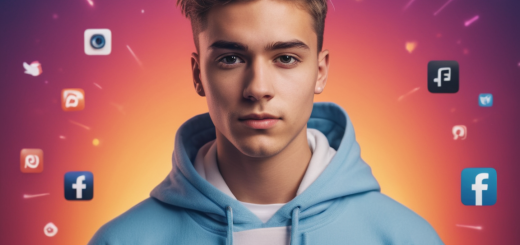
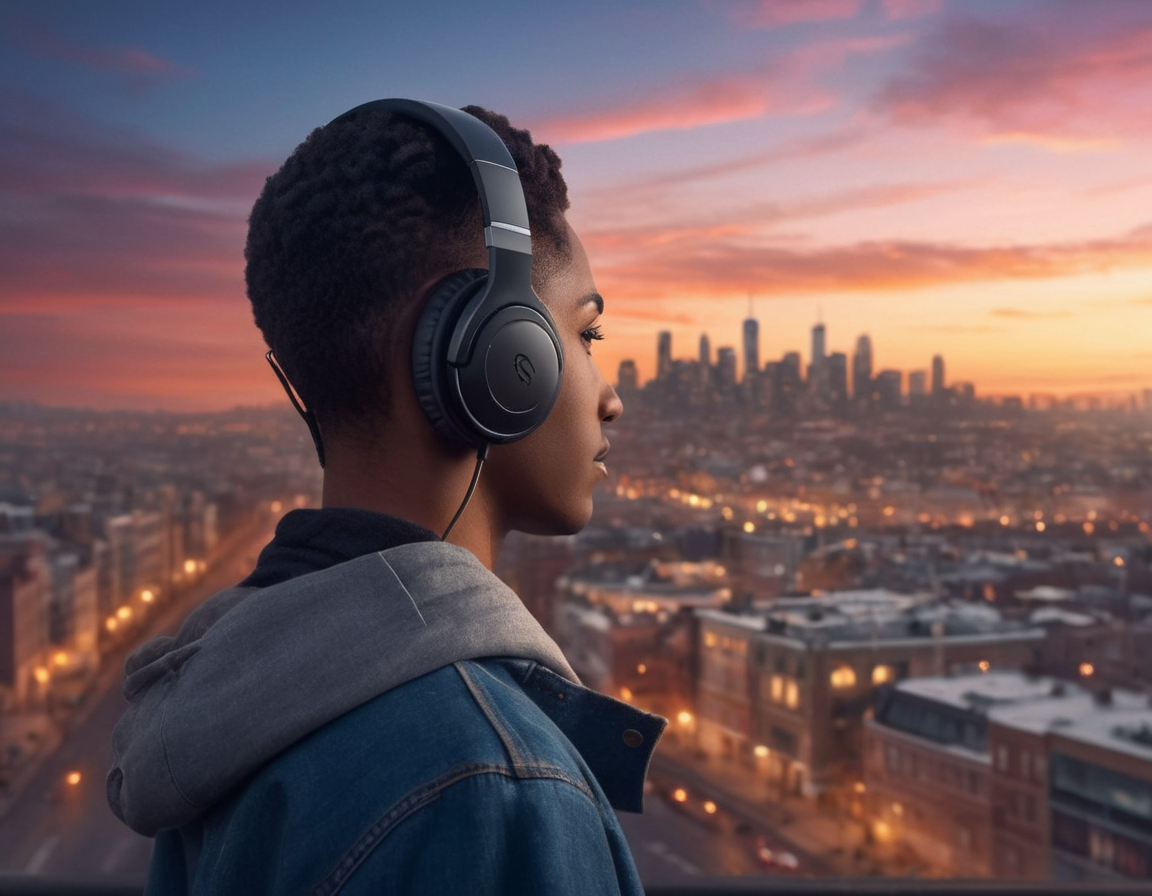
From tribal beats to classical symphonies, music has always been an integral part of human culture. It shapes identities, evokes emotions, and even molds societal norms. This connection between music and identity has only deepened with technological advances. Personalized music streaming services like Spotify and Apple Music have amplified this connection, allowing individuals to not only discover but also define their musical tastes.
‘Music is the shorthand of emotion.’ – Leo Tolstoy
Current Relevance: Algorithms and Personalized Playlists
In 2023, music engagement is driven primarily by intelligent algorithms and AI. These technologies recommend playlists and songs with such precision that many listeners feel the music understands them better than some friends and family might. This has both positives, like discovering niche genres, and negatives, such as narrowing one’s exposure to only familiar styles.
Expert Opinions: The Psychological Impact of Personalized Music
Psychologists suggest that personalized music playlists can significantly affect mental health. Listening to music that resonates with personal experiences can enhance mood, provide solace, and even help with stress management. However, experts also warn that too much predictability in listening habits can contribute to echo chambers, limiting new experiences and discoveries.
Real-World Impact: Music Festivals and Virtual Concerts
Despite the rise of digital music, live performances continue to thrive, albeit in new forms. Virtual concerts and hybrid music festivals have surged in popularity, connecting artists and fans globally. These platforms allow for a shared experience that personal playlists cannot replicate, bridging the gap between digital personalization and communal music appreciation.
Future Outlook: The Next Wave of Music Listening
As technology advances, the ways we connect with music will continue to evolve. Future developments may include even more personalized music recommendations aided by AI, virtual reality concerts offering immersive experiences, and innovations in how music is created and consumed.
As we look ahead, one thing remains clear: music’s ability to mirror and mold individual experience is timeless. The song truly is you, echoing the harmonies of personal and collective memory, and shaping the soundtrack of our lives.