Unraveling the Tragic Story of the 1945 Utah Prisoner of War Massacre
The 1945 Utah Prisoner of War Massacre: A Forgotten Episode in History
In the closing months of World War II, a tragic event unfolded in the remote expanse of Utah, USA. It was an incident that, despite its grim nature, remains lesser-known in the chronicles of history — the 1945 Utah Prisoner of War Massacre. This blog post endeavors to explore the background, significance, and repercussions of this dark day. 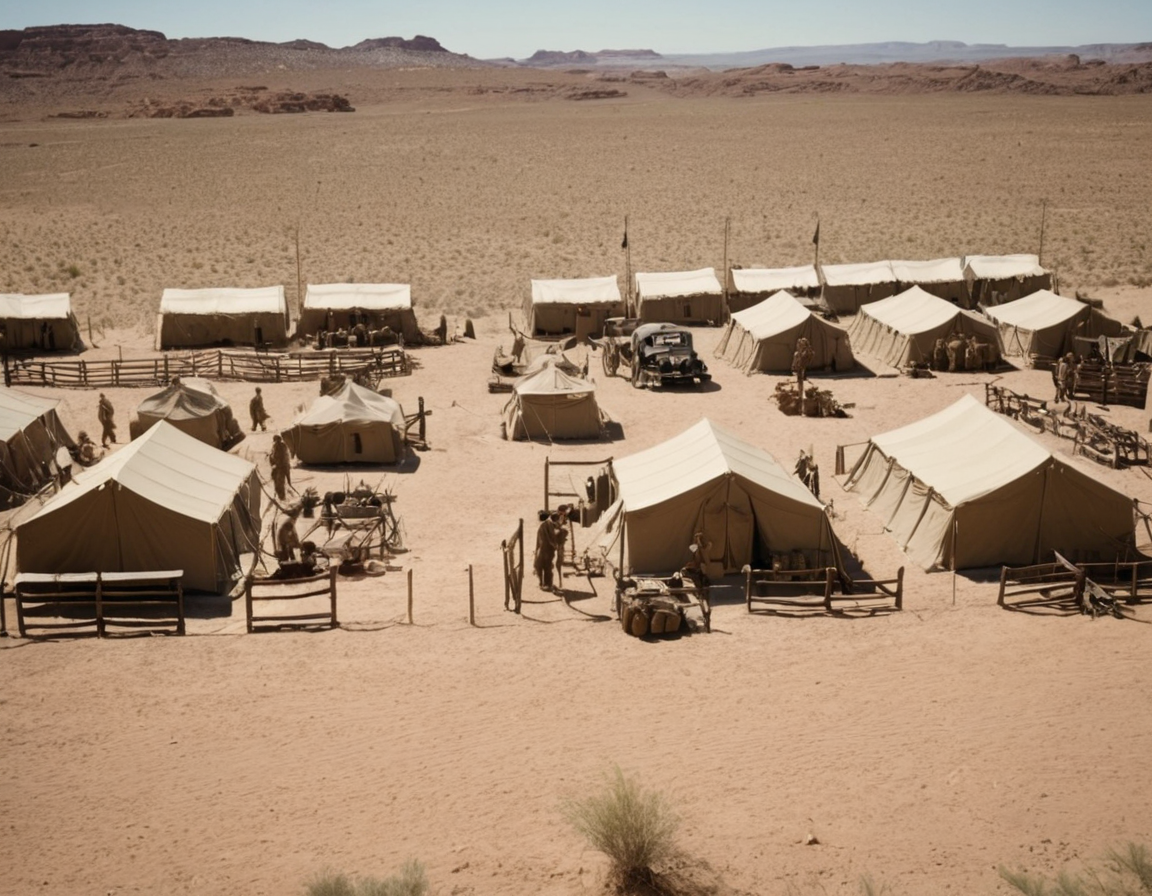
Background: World War II and POW Camps in the US
During World War II, the United States housed numerous Prisoner of War (POW) camps. These facilities held thousands of captured Axis soldiers, particularly Germans. By the end of the war, the US was home to about 425,000 POWs. While the majority of these camps operated without incident, the Utah POW camp at Salina became the site of tragedy.
The Incident: What Happened on July 8, 1945?
The nightmare began on July 8, 1945, when Clarence V. Bertucci, an American soldier on guard duty, inexplicably turned a mounted machine gun on the tents of sleeping German POWs. Bertucci fired indiscriminately for around 15 seconds, resulting in the deaths of nine prisoners and leaving around 20 others wounded. This unprovoked attack shocked the nation and left a lasting impact on all involved. 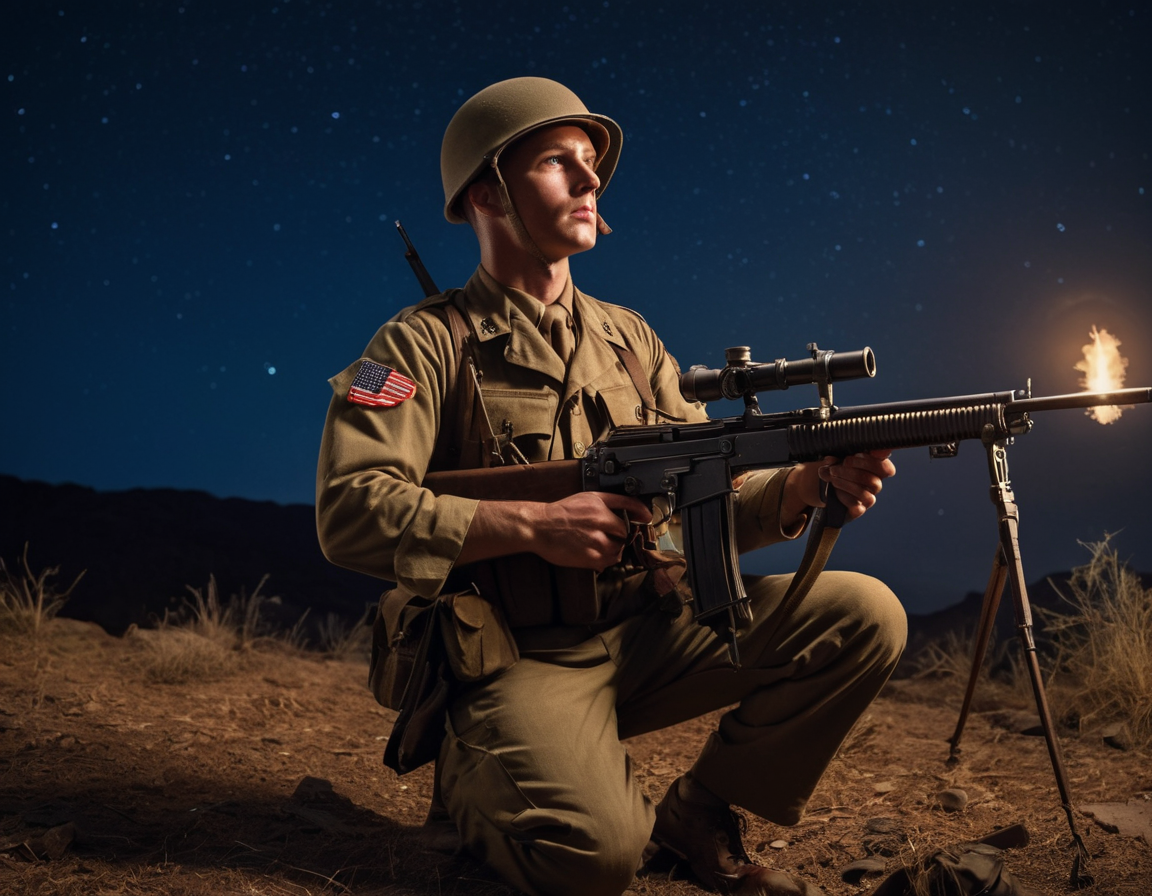
Reasons Behind the Attack
Bertucci’s actions were never fully understood. Described by many as a troubled individual, he reportedly harbored deep animosity towards Germans due to his military experiences. Despite recurring disciplinary issues and a reputation for recklessness, Bertucci’s internal torment led to this unfortunate outburst of violence.
Current Relevance: What Can We Learn?
In modern discourse, the Utah POW massacre serves as a grim reminder of the psychological trauma and instability that can stem from armed conflict. It emphasizes the necessity of mental health support for military personnel and underscores the importance of humane treatment for all individuals, regardless of wartime allegiance.
Expert Opinions: Voices from History
“The Salina massacre is a sobering illustration of war’s enduring psychological scars, reminding us to prioritize mental health for all soldiers.” – Dr. Jane Thompson, Military Historian
Experts contend this event reflects a broader spectrum of wartime repercussions, showing how unchecked inner turmoil can lead to unwarranted violence.
Real-World Impact: Survivors and Families
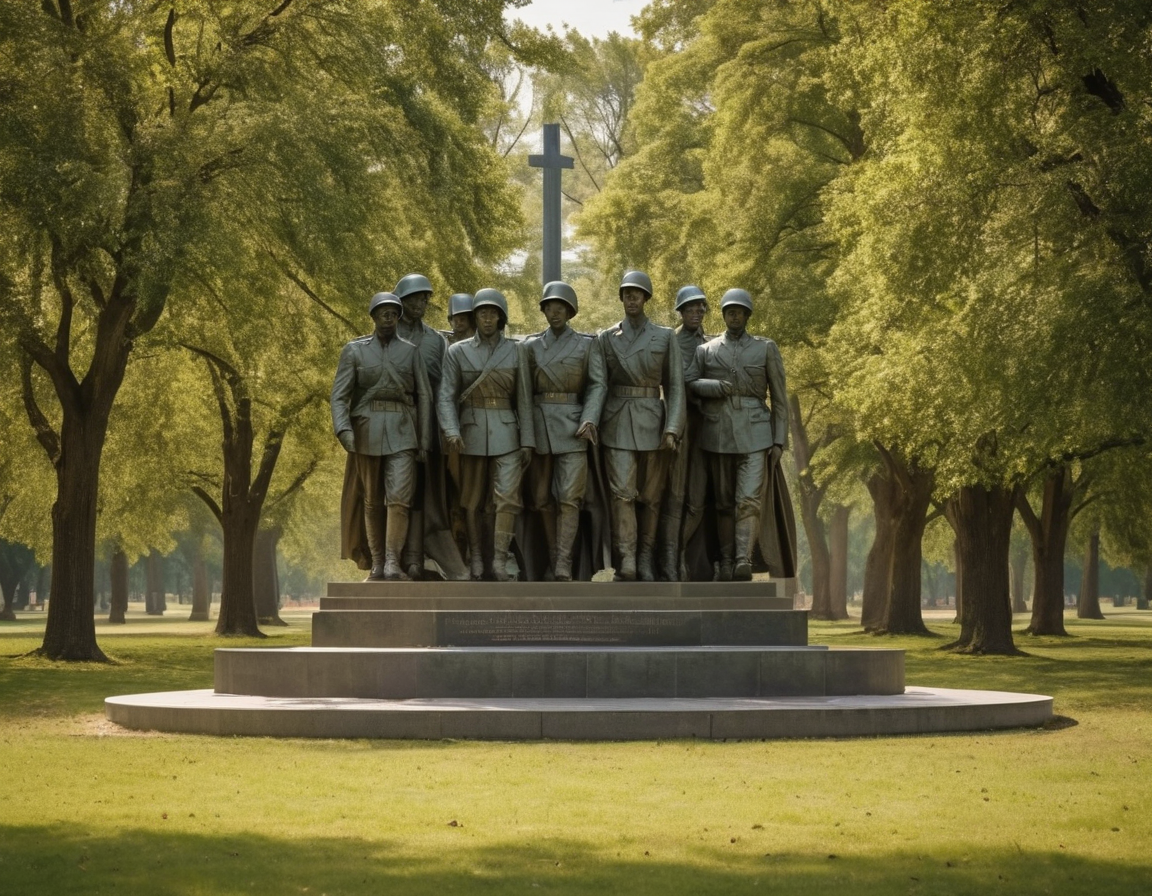
The massacre’s aftermath was felt by survivors, their families, and the local community alike. Efforts to commemorate the victims are ongoing, with memorials established to honor those who perished. The incident spurred discussions on improving protocols within military systems to prevent future tragedies.
Future Outlook: Embracing History to Improve the Future
As we advance towards a more informed and empathetic society, acknowledging episodes like the Utah massacre becomes crucial in bridging past and present learnings. Historical examinations foster dialogue on peace-building and protective measures for mental health, ensuring tragedies like this remain relegated to history.
If you have insights or wish to share your thoughts on the legacy of the Utah POW massacre, feel free to comment below and join the conversation. Let’s learn from history to create a more compassionate future.