Exploring the Legacy of Urban Historian William J. Fishman: Impact & Relevance Today
The Enduring Impact of William J. Fishman on Urban History
Looking through the lens of history, few scholars manage to leave a legacy that resonates through the ages. William J. Fishman was one such academic whose work on the social history of London has influenced not just historians, but also urban planners, sociologists, and the broader public interested in the intricate tapestry of city life. In this detailed exploration, we delve into Fishman’s significant contributions and their lasting impact on our understanding of urban development and social dynamics.
 Background: A Glimpse Into Fishman’s World
William J. Fishman (1921 – 2014) was a British social historian, known for his pioneering research on the East End of London. His work encapsulated the lives of the working class and immigrants, offering insights into their struggles, resilience, and contribution to the fabric of London. But how did Fishman’s scholarship begin, and what drove him to focus on the less glamorous yet historically rich corners of London? We investigate his origins and academic journey that led to his groundbreaking work.
The Current Relevance of Fishman’s Historical Narratives
It is common to think of historical studies as mere records of the past. However, Fishman’s narratives on London’s East End, particularly his works like ‘East End 1888’ and ‘East End Jewish Radicals’, continue to serve as a lens through which we view current urban issues such as gentrification, migration, and socio-economic disparities. In this section, we draw parallels between Fishman’s findings and the challenges contemporary metropolises face today.
Expert Opinions: Academia’s Praise for Fishman
William J. Fishman’s work has been widely acknowledged and praised by experts from various fields. How do current historians and social scientists view his contributions to urban studies? We gather expert testimonials and analyze the scholarly significance of Fishman’s research that has stood the test of time to inform and inspire new generations of researchers and thinkers.
 Real-world Impact: Fishman’s Work in Today’s Urban Spaces
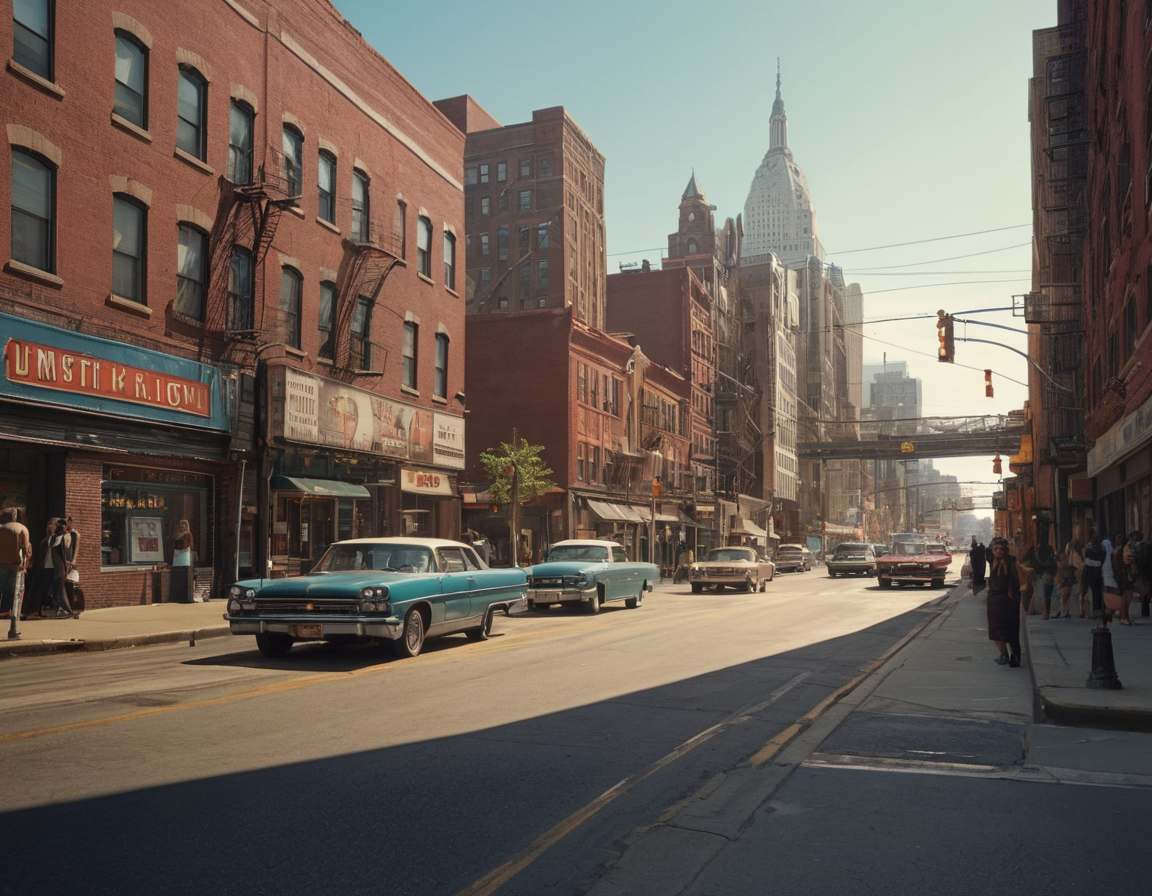
From academic circles to the very streets he once studied, Fishman’s influence can be felt. Urban planners and policymakers have cited his work when considering the future of city development. This section discusses the tangible impact Fishman’s historical insights have had on modern urban planning and community organization, particularly in cities grappling with similar issues faced by the London of the past.
Future Outlook: Building on Fishman’s Foundation
As we move further into the 21st century, how will Fishman’s legacy endure and evolve within the field of urban history and beyond? Here we muse on the potential future directions scholars might take by building upon his rich bedrock of research, and how emerging methodologies like digital humanities might bring new dimensions to the studies Fishman once pioneered.
In essence, William J. Fishman’s scholarly endeavors have created ripples that extend far beyond his own time. Join us as we celebrate his life’s work and its profound impact on not just historical discourse but also on the shape and spirit of cities today.
If you’ve been inspired by William J. Fishman’s contributions or have thoughts on the future of urban history, share your insights with us in the comments below.