Stampeding Ahead: The Resurgence of Buffalo Populations & Its Impact
The Majestic Return of the Buffalo: Ecological Triumph and Challenges
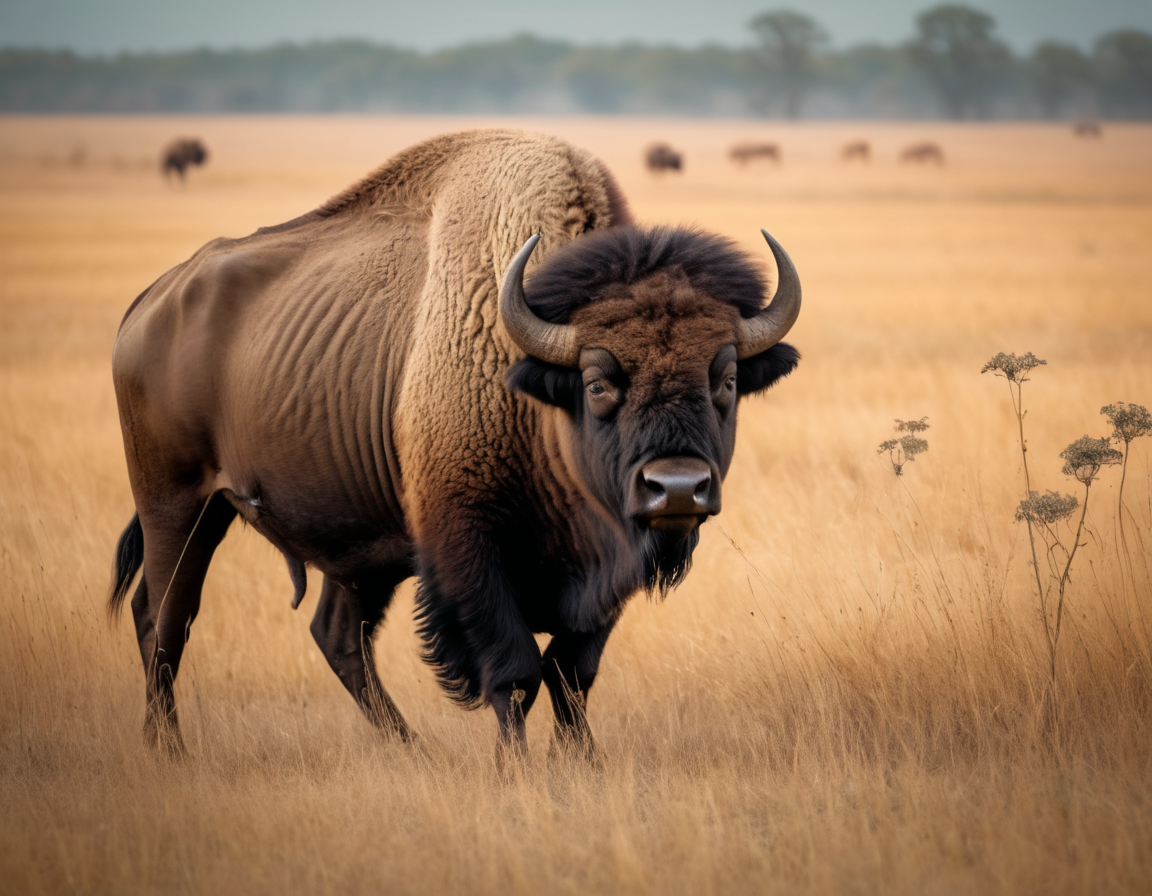
In recent years, a remarkable resurgence in buffalo populations across North America has captured the imagination of conservationists, ranchers, and wildlife enthusiasts alike. The buffalo, a symbol of the American West and an integral part of Indigenous culture, is making a comeback from the brink of extinction. This blog post delves into the heartening revival story of the buffalo, examines its current relevance, and explores the real-world impact and future outlook for this iconic species.
Background: From Near Extinction to Conservation Success
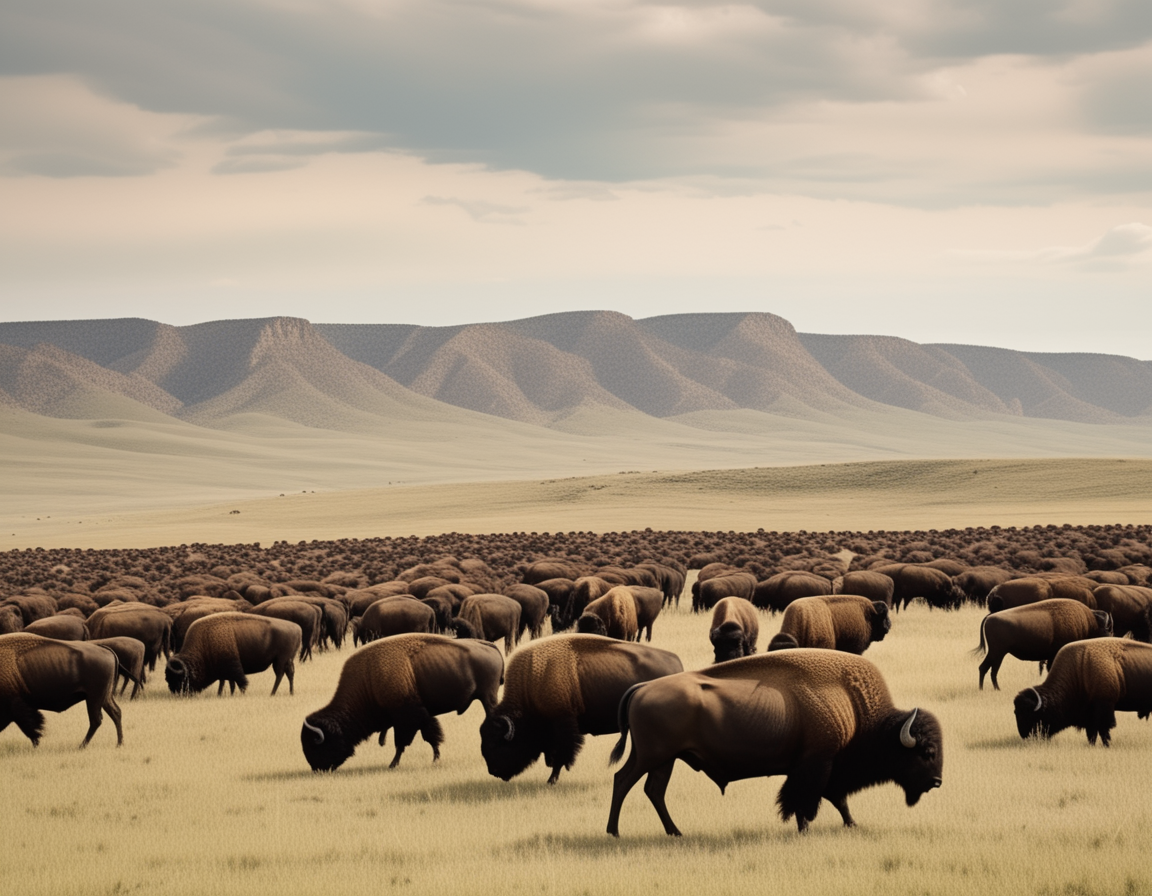
Less than a century ago, the buffalo—also known as the American bison—faced near extinction due to overhunting and habitat destruction. From an estimated population of 30 million in the 19th century, the numbers dwindled to fewer than a thousand by the early 1900s. However, thanks to rigorous conservation efforts, buffalo numbers have steadily increased to over 500,000 across private and public lands today, though still short of their historic numbers.
Current Relevance: Buffalo Populations and Environmental Health
The revival of buffalo populations is not merely a symbolic victory; it has profound implications for the health of ecosystems. As a keystone species, buffaloes play a pivotal role in maintaining the grassland ecology by their grazing patterns, aiding in plant dispersal and creating habitats for other wildlife species.
Expert Opinions: The Ecological and Cultural Renaissance
Conservationists are lauding the ecological benefits of the buffalo’s resurgence, which aids in biodiversity and combats climate change by promoting healthier grasslands that sequester carbon. Tribal nations have also led the charge in buffalo restoration, highlighting the cultural significance and pushing for ethical co-management of buffalo herds.
Real-World Impact: Economy and Ecosystems
The growing buffalo populations have tangibly boosted local economies through ecotourism and sustainable bison ranching, which provides a healthier, leaner alternative to beef. However, they also face challenges such as habitat fragmentation and conflicts with agricultural interests.
Future Outlook: Continuing the Momentum
The ongoing efforts to expand buffalo habitats, ensure genetic diversity, and support the rights and traditions of Indigenous peoples will determine the future of this American icon. It’s an interdisciplinary mission requiring collaboration among conservationists, governments, Indigenous communities, and the public.
Join the conversation: Have you witnessed the impact of bison restoration in your region, or do you support wildlife conservation efforts? Share your thoughts and experiences with us.
Learn how you can contribute to conserving buffalo populations.