The Future of Automation: Balancing Efficiency and Human Touch
Embracing the Age of Automation: Efficiency vs. Humanity
Automation technologies are transforming industries and daily life at an unprecedented pace. Despite the myriad of benefits they bring, there is a growing concern about their impact on employment and the essence of human work. Will the rise of robots mark the obsolescence of the human workforce, or will it rather lead to a renaissance of uniquely human skills and jobs?
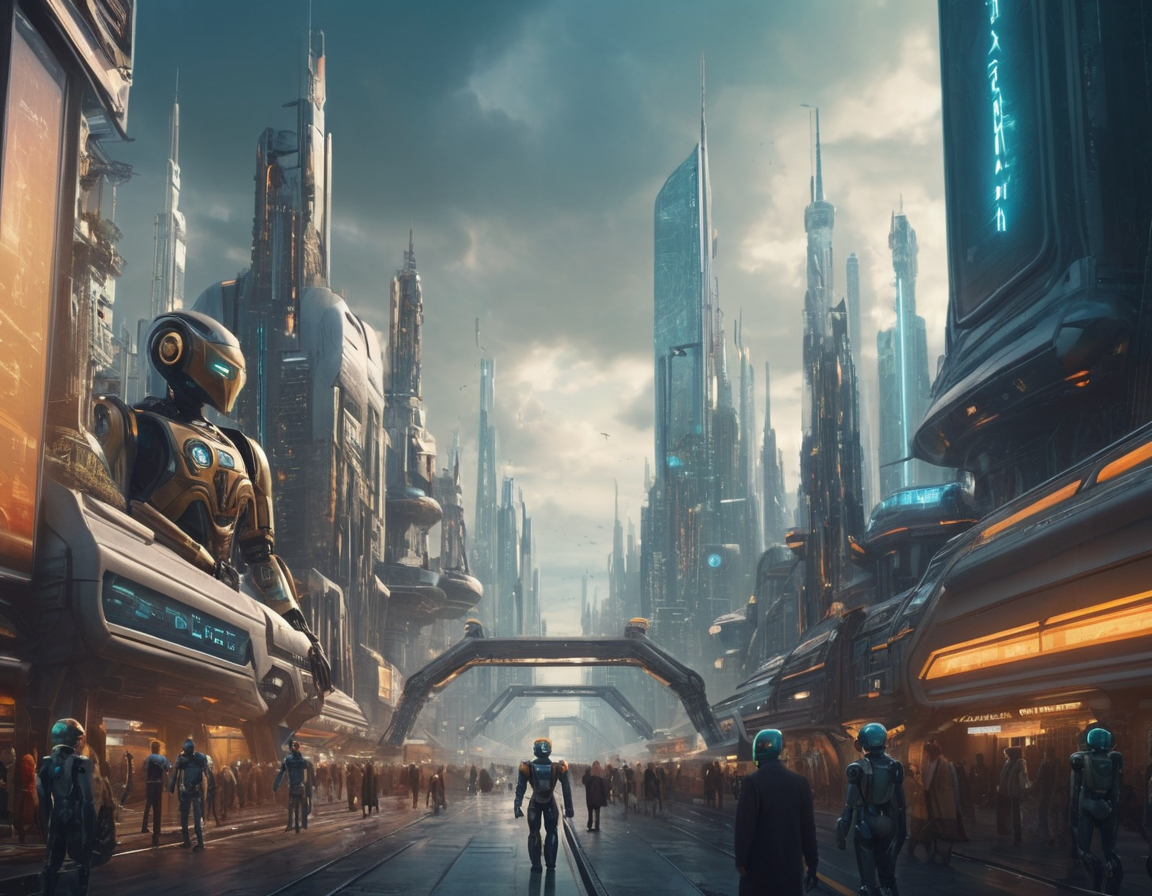
The March of the Machines: A Background
Automation is hardly a novel concept, with its roots stretching back to the first industrial revolution. However, recent advancements in artificial intelligence and robotics have rekindled concerns and sparked new debates. A brief look at history reveals that such disruptions are not new, yet they have led to an inevitable evolution in the labor market rather than its demise.
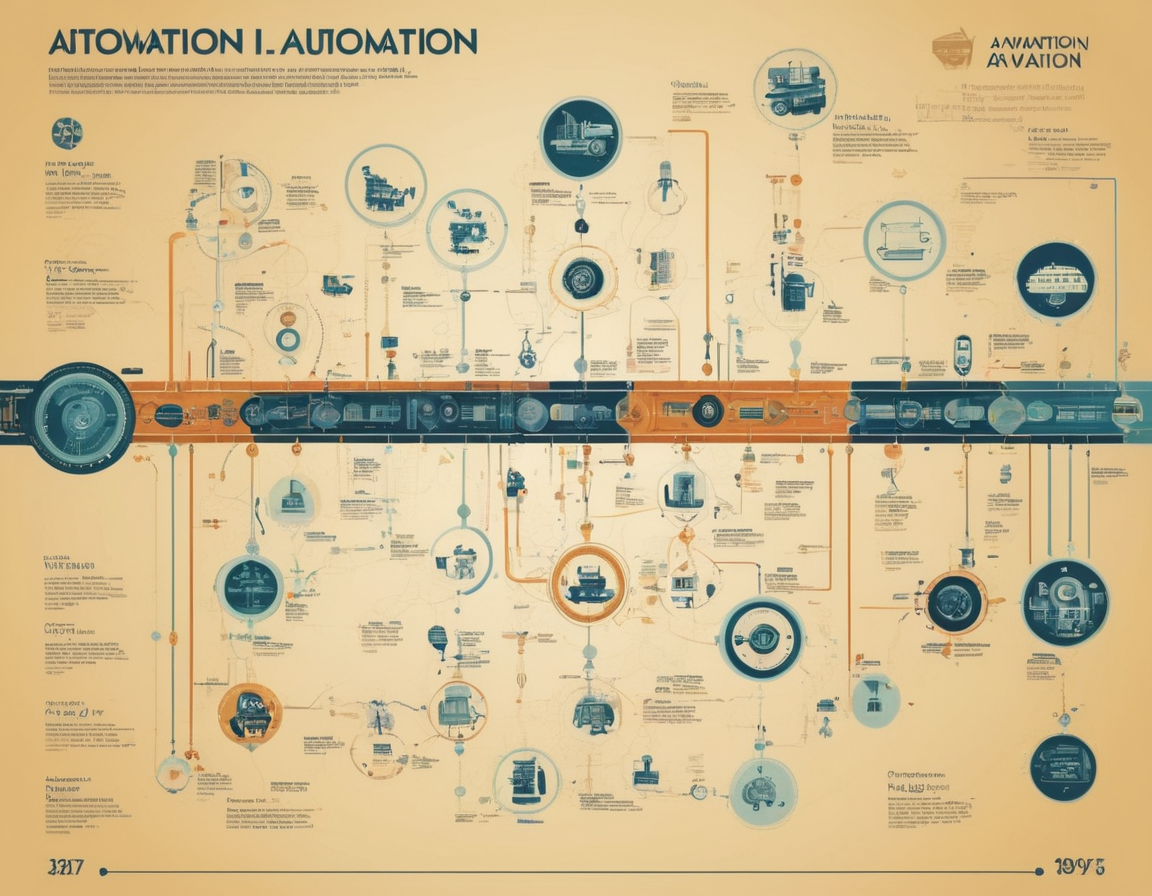
Current Relevance: AI in the Workplace Today
From self-checkout kiosks in grocery stores to advanced algorithms managing finances, AI is now an integral part of many workplaces. The efficiency and precision of these automated systems have proven invaluable, yet they have also raised questions about data privacy, decision-making processes, and reliance on technology.
Expert Opinions: What the Thought Leaders Say
Leading thinkers in technology and economics provide diverging views on automation’s future impact. Some advocate that while automation will displace current jobs, it will also create new ones, emphasizing the irreplaceable value of human creativity and problem-solving. Others warn of a future where the disparity between skill sets could lead to significant social and economic divisions.
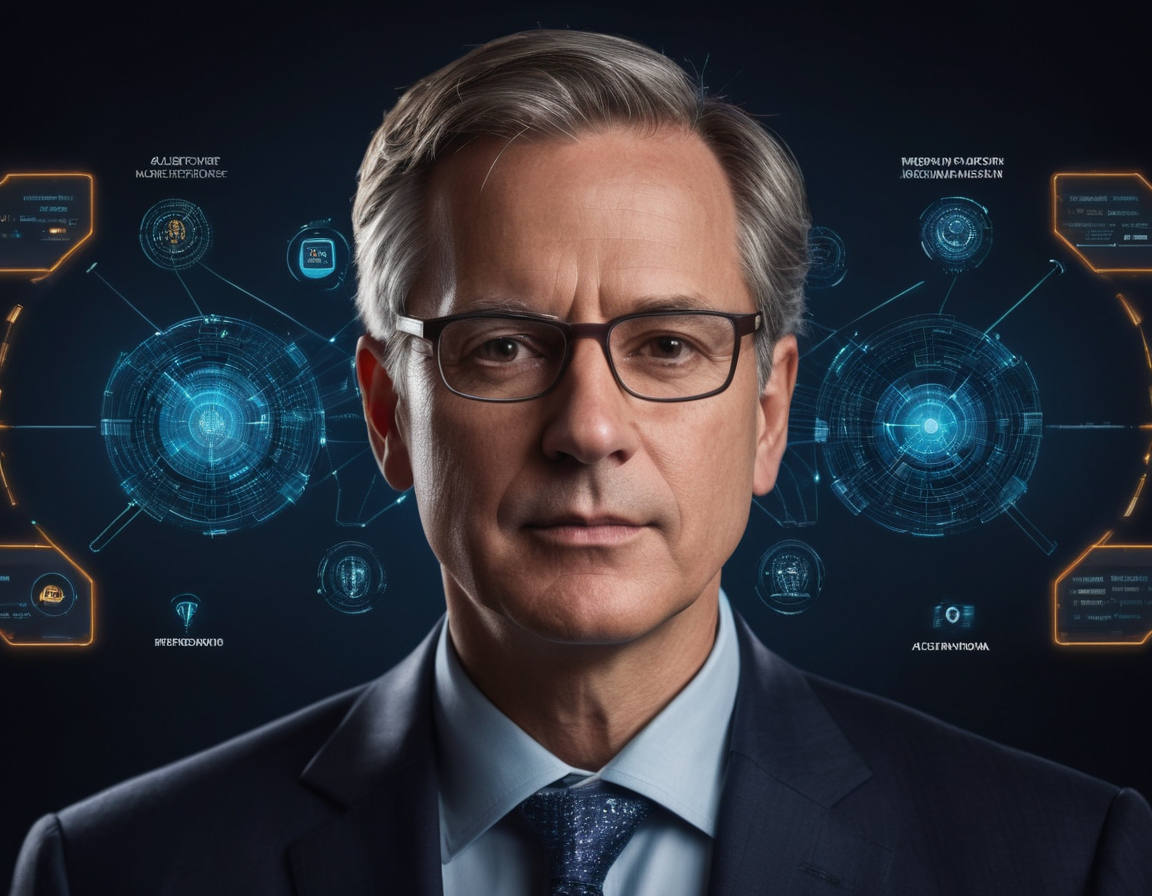
Real-World Impact: Case Studies of Automation
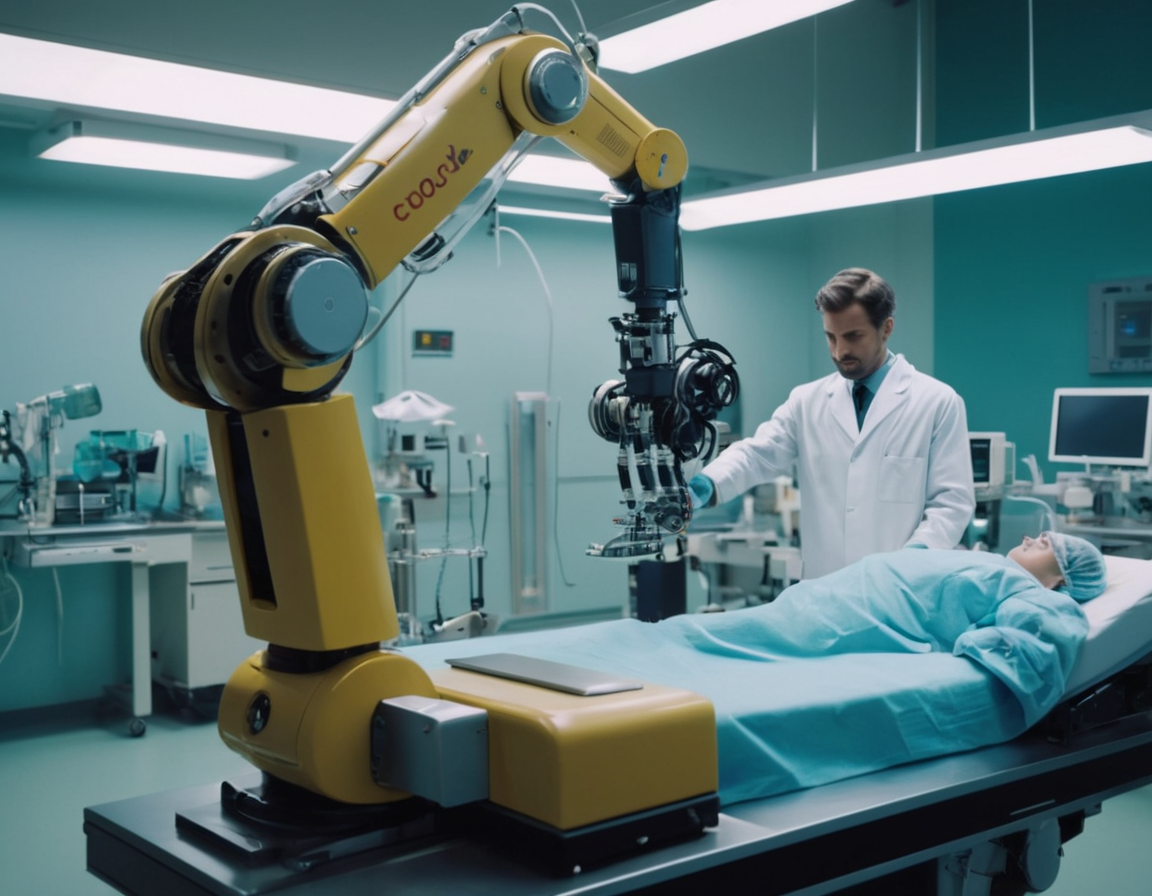
Examining real-world examples, we find industries like manufacturing and logistics already heavily automated. The benefits are tangible in productivity and safety, but the implications for the workforce are complex. In healthcare, automation supports but does not replace, the human practitioners’ caring touch, underscoring the balance that must be struck in different sectors.
Future Outlook: Preparing for Tomorrow
The integration of automation into our lives seems inevitable, but foresight and preparation can ensure that the transition benefits society as a whole. Education systems need to adapt, promoting skills that leverage human creativity and social intelligence over routine tasks, while policymakers must consider safety nets for those displaced.

As we stand on the threshold of a new era, it is not the machines we should fear, but rather our reluctance to adapt and grow with them. The future is not written, and with thoughtful dialogue and action, humans and machines can forge a path that values both efficiency and the human touch.
Engage with us in the comments below and share your thoughts on how we can balance automation with the human element in our evolving world.