The Wave of Tobacco Alternatives: Navigating Health and Industry Shifts
The Evolution and Impact of Tobacco Alternatives on Public Health and Industry
In recent years, the health implications of traditional tobacco products have risen to the forefront of public health discourse, urging consumers and manufacturers to explore safer alternatives.  Amidst this shift, the economic landscape of the tobacco industry is undergoing transformative changes, adapting to new consumer behaviors and regulatory frameworks.
The Historical Prevalence of Tobacco
Tobacco has had a profound place in history, culture, and economies around the world. Historically used in ceremonies and as a trade commodity, its global spread has forged a persistent prevalence. However, the subsequent health crisis it precipitated led to a dramatic reevaluation of its place in society.
Current Relevance of Tobacco Alternatives
Smokeless nicotine delivery systems, such as e-cigarettes and heat-not-burn products, have entered the market as proposed harm-reduction options. 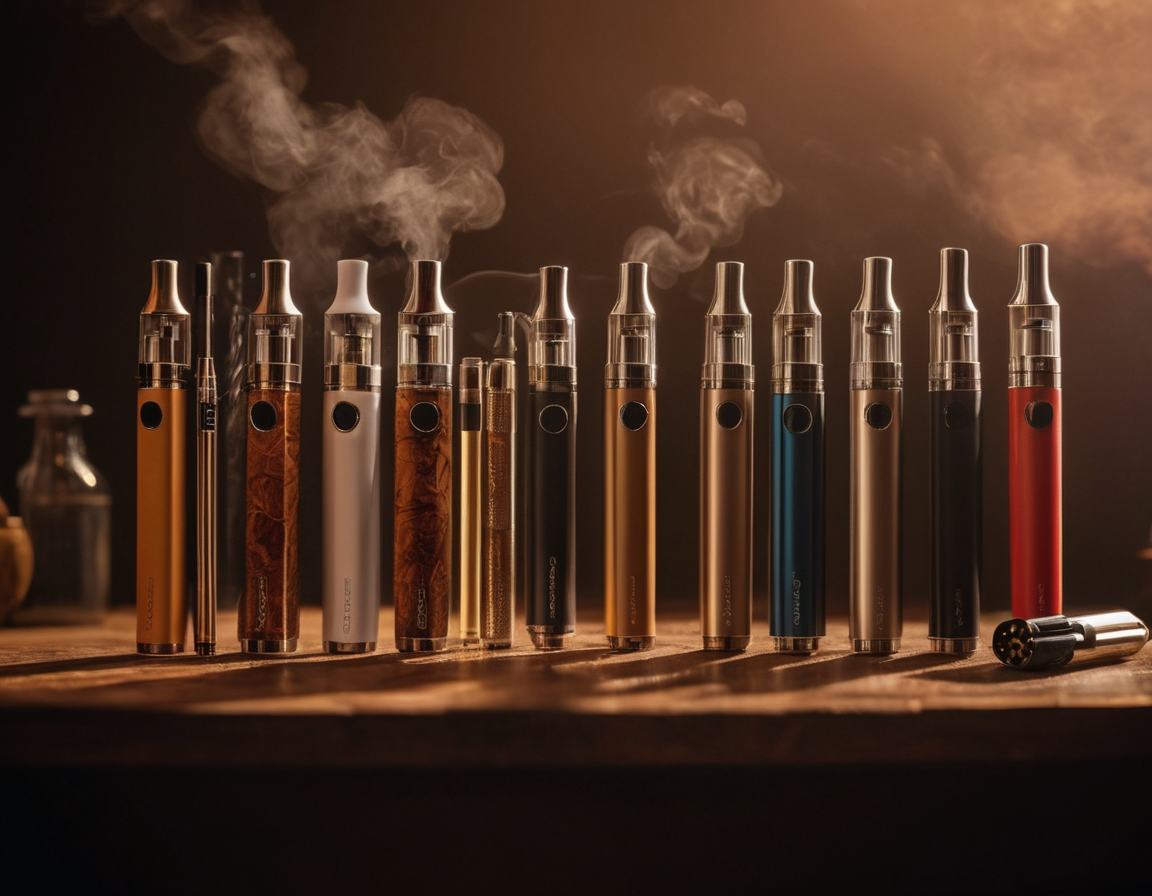 Consumer demand alongside technological innovation has birthed a market keen on providing the sensory fulfillment of smoking without its well-documented adverse health effects.
Expert Opinions on Tobacco Harm Reduction
Public health experts are cautiously optimistic about the potential of tobacco alternatives to reduce smoking-related illnesses.  Some health advocates, however, warn that the long-term consequences of these products are still unknown and that they might perpetuate nicotine addiction in different forms.
Real-World Impact of Tobacco Alternatives
The rise of tobacco alternatives has seen a decline in conventional cigarette consumption in various demographics. This shift has significant implications for public health, addiction trends, and the tobacco industry’s marketing strategies.  Policies and regulations are being tailored to strike a balance between harm reduction and protecting youth from nicotine addiction.
The Future Outlook of Tobacco Consumption
The tobacco industry is expected to experience more dynamic changes with the advent of increasingly sophisticated alternatives and tighter regulation. As we move towards a potentially smoke-free future, the long-term impact on public health, industry, and societal norms remains to be closely monitored.