The Rise of Urban Gardening: Cultivating Green Spaces in the Concrete Jungle
Join the Green Revolution: The Rise of Urban Gardening
In an age where concrete overshadows greenery, a silent revolution is taking root. Urban gardening is not just a hobby; it’s a beacon of sustainability and local activism in the face of sprawling urbanization. From rooftop gardens to small balcony planters, city dwellers are reclaiming their connection with nature. In this comprehensive guide, we dig into the fertile soil of urban gardening to uncover how you can transform your city space into a verdant oasis.
Background: Understanding Urban Gardening
Traditionally, gardening has been seen as a pursuit for those with ample outdoor space. However, urban gardening is changing that narrative. Limited space doesn’t mean limited potential. 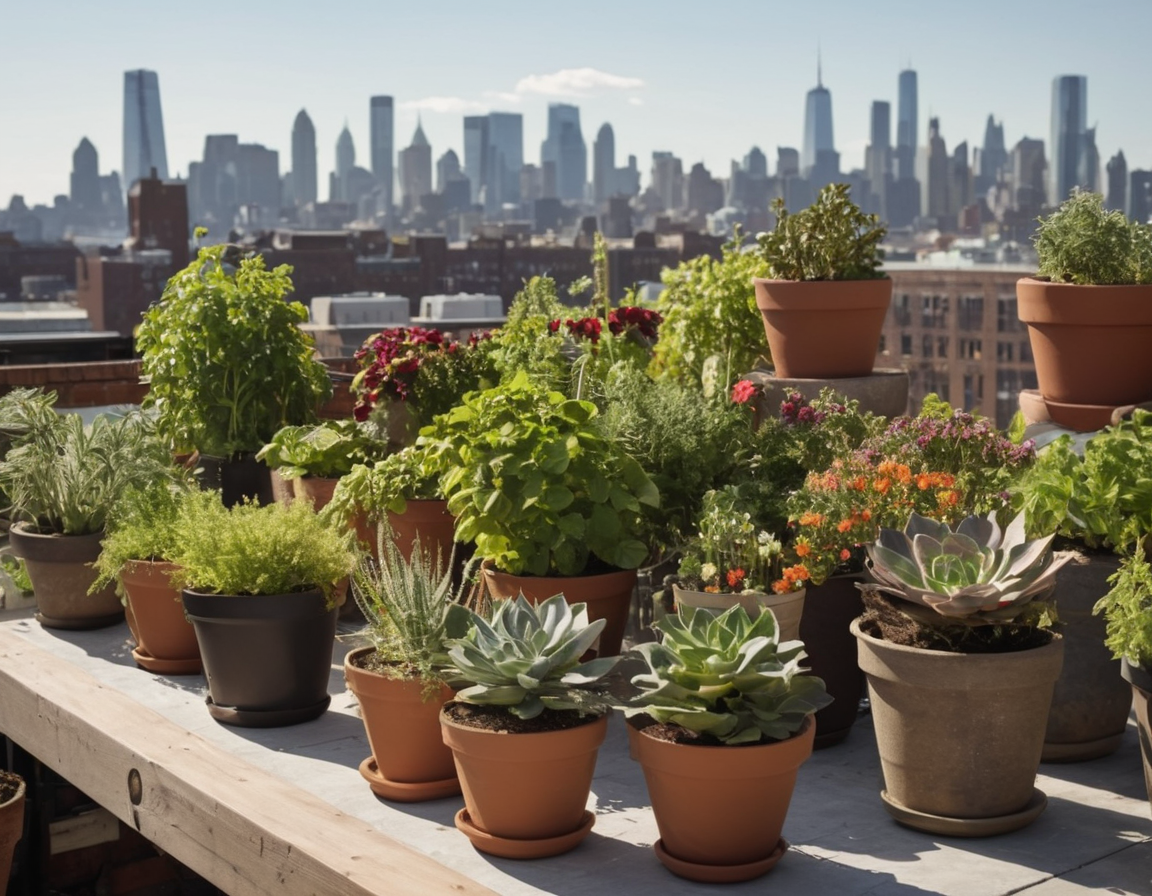 Whether it’s community gardens, window box herbs, or vertical greeneries, urban gardening encompasses a variety of practices aimed at growing plants within a city environment.
Current Relevance: Why Urban Gardening Matters Now
As the world becomes more urbanized, the importance of integrating green spaces into city life has never been more crucial. Urban gardening offers a pathway to fresher air, increased biodiversity, and a much-needed splash of color to the grey palette of urban life. With growing concerns about climate change and food miles, urban gardens also provide an opportunity for cities to become more sustainable and for residents to reduce their carbon footprint. 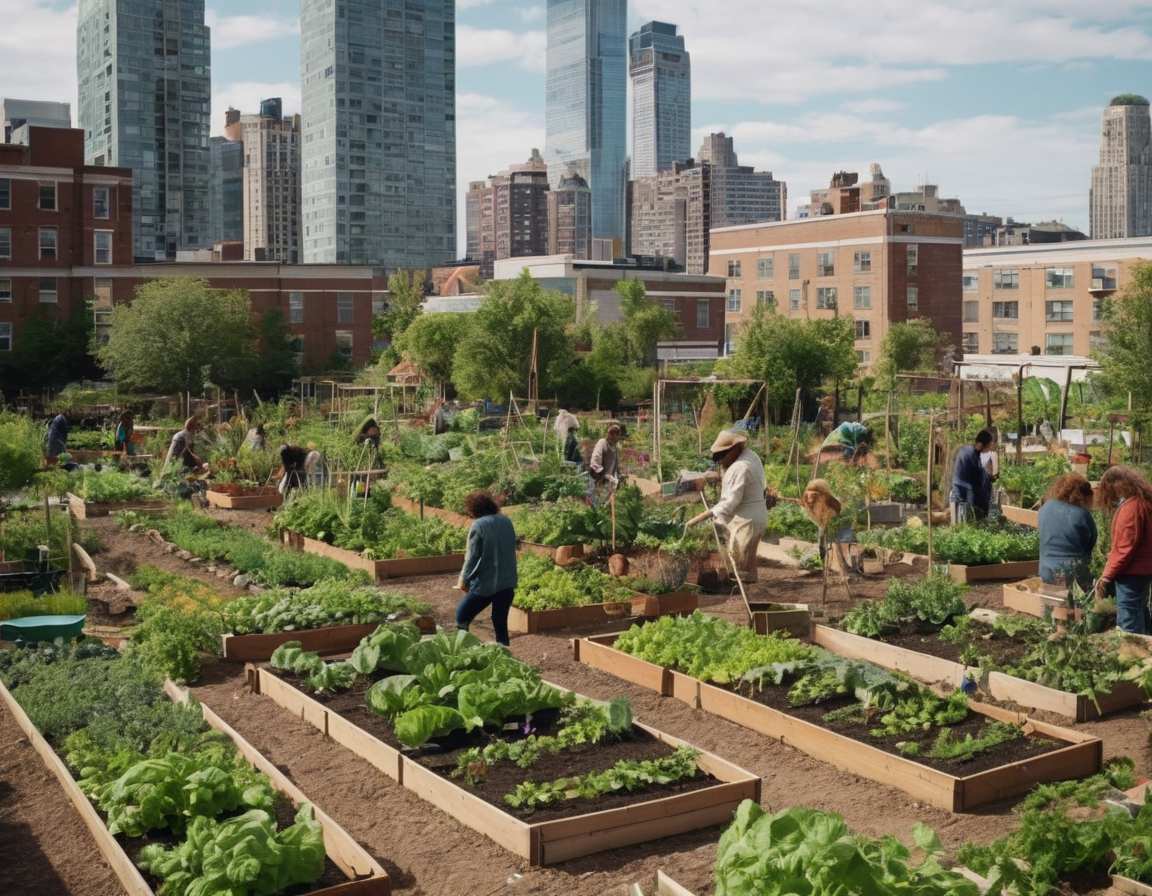
Expert Opinions: What Professionals Are Saying
Urban planners, environmentalists, and sustainability advocates alike are recognizing the benefits of urban gardening. They highlight its role in promoting mental well-being, fostering community engagement, and enhancing local economies by creating markets for locally grown produce. Industry experts even suggest that urban gardening can help alleviate food deserts in underserved neighborhoods. 
Real-World Impact: Stories from Urban Gardens
Around the world, people from diverse backgrounds are sharing their experiences of how urban gardening has positively impacted their lives. Families grow heirloom tomatoes on their balconies; schools run educational programs in rooftop gardens; and entire communities come together to cultivate local parks. These stories demonstrate the tangible benefits that green spaces contribute to urban areas. 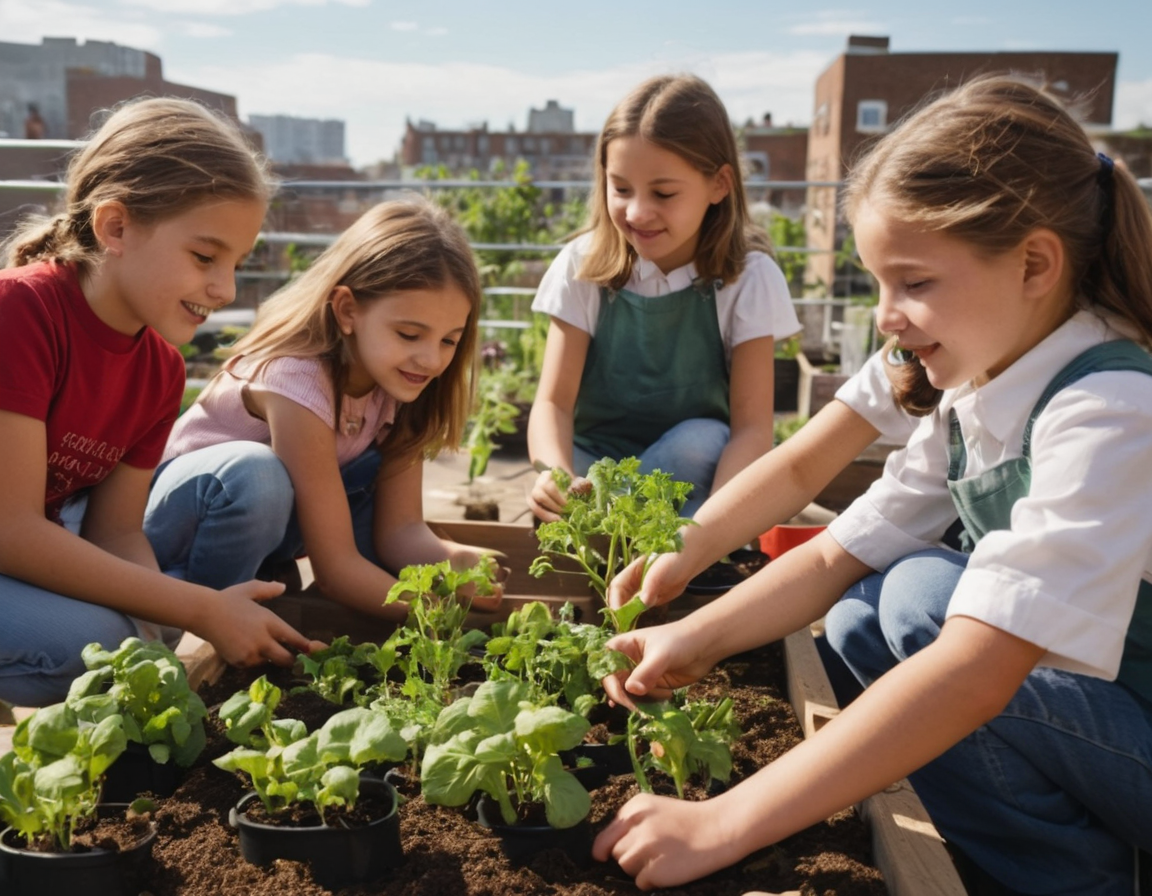
Future Outlook: Planting Seeds for Tomorrow
As we look ahead, the growth of urban gardening only seems to be accelerating. Technological advancements in hydroponics and vertical farming are opening new avenues for city agriculture. Cities are beginning to incorporate green initiatives into their development plans, signaling a future where urban gardening is not just an afterthought but a foundational aspect of city living. 
Are you ready to join the urban gardening movement? Share your thoughts and experiences in the comments below, or reach out to us for tips on starting your own city garden!