Unlocking the Past: The Evolution and Significance of Radiocarbon Dating
The Fascinating World of Radiocarbon Dating
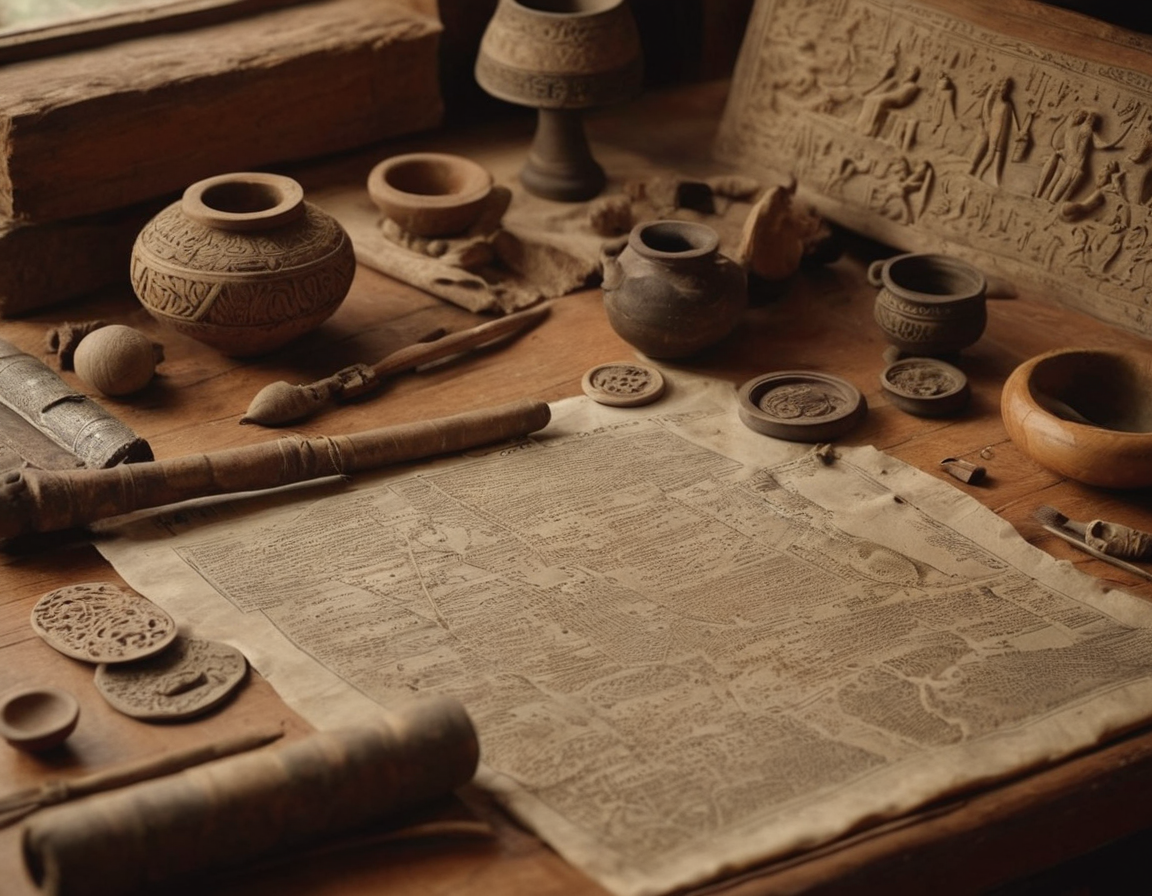
Imagine unlocking the secrets of ancient civilizations or determining the age of a fossil with nothing but the remnants it left behind. This is the power of radiocarbon dating—a scientific method that has revolutionized our understanding of history and prehistory. In this article, we will delve into the intricacies of radiocarbon dating, its recent advances, and its vital role in historical research.
Understanding Radiocarbon Dating: The Science Behind the Dates
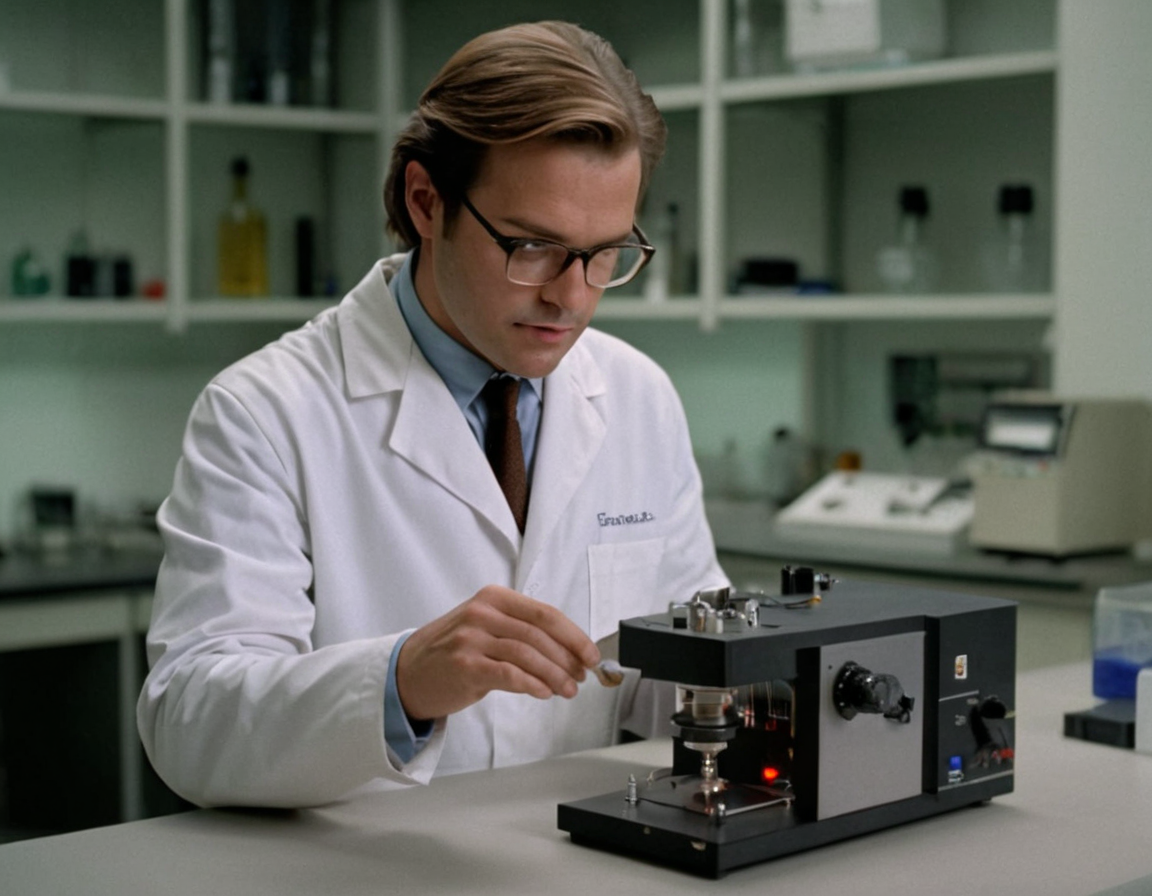
Radiocarbon dating, also known as carbon-14 dating, is a technique used by scientists to determine the age of organic material. It is based on the principle that living organisms absorb carbon, including a small percentage of the radioactive isotope carbon-14. Upon death, the absorption stops, and the carbon-14 begins to decay at a known rate, called the half-life. By measuring the remaining carbon-14 content, scientists can estimate the time of death and, thus, the age of the sample.
Radiocarbon Dating Today: Technological Advances and Improved Accuracy
Recent years have seen significant advancements in radiocarbon dating methods. Accelerator Mass Spectrometry (AMS) has enabled more precise measurements with smaller sample sizes than ever before. These improvements have paved the way for new insights into human history, climatology, and archaeology.
Voices of Experts: How Radiocarbon Dating Continues to Enlighten Us
‘Radiocarbon dating remains a cornerstone in both archaeological research and understanding environmental change over the last 50,000 years.’ – Dr. Emma Brown, Archaeologist and Geochemist
Leading experts in the field emphasize the crucial importance of radiocarbon dating in their work, allowing for a deeper understanding of timelines and events that shaped the world as we know it.
Real-world Impact: Radiocarbon Dating in Action
One of the most compelling uses of radiocarbon dating is in the research of climate change. By analyzing the age of tree rings, glacial ice, and ocean sediments, scientists gain critical insights into past climate conditions, informing predictions for future climate models.
The Future Outlook: Challenges and Potential of Radiocarbon Dating
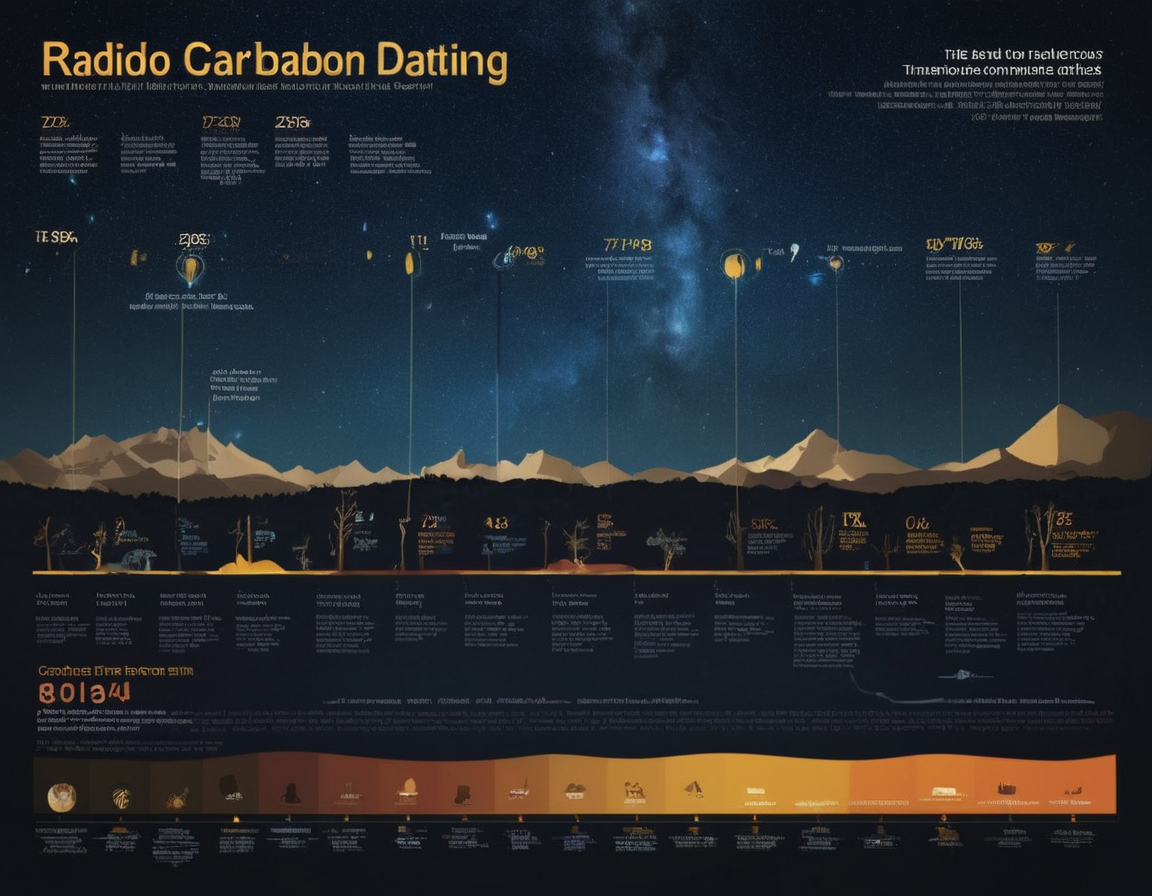
Despite its value, radiocarbon dating faces challenges such as contamination, calibration, and the finite nature of the global radiocarbon concentration. Future efforts aim at refining calibration techniques and expanding the range of datable materials, promising even more groundbreaking revelations.
Environmental and archaeological discoveries are constantly shaping radiocarbon dating, reminding us that this tool is an ever-evolving linchpin of scientific exploration.
Conclusion: Embracing the Past to Inform Our Future
Radiocarbon dating has taken us on a journey through time, unveiling narratives that lay buried beneath the surface. Its continued development is a testament to science’s relentless pursuit of knowledge, linking the ancient past to our present-day endeavors and guiding us into the future.
Stay tuned for more insights into how this remarkable technique is expanding our horizons and ensuring that the legacy of history is preserved for generations to come.