Celebrating Tradition and Unity: Japan’s National Foundation Day
Understanding the Significance of Japan’s National Foundation Day
Every year on February 11th, Japan celebrates its National Foundation Day, known as Kenkoku Kinen no Hi. This day is a symbol of national pride and unity, commemorating the founding of the nation and the enthronement of its first emperor, Emperor Jimmu. But beyond the festivities, what does this day truly represent for the Japanese people and the wider global community?

The Historical Background of National Foundation Day
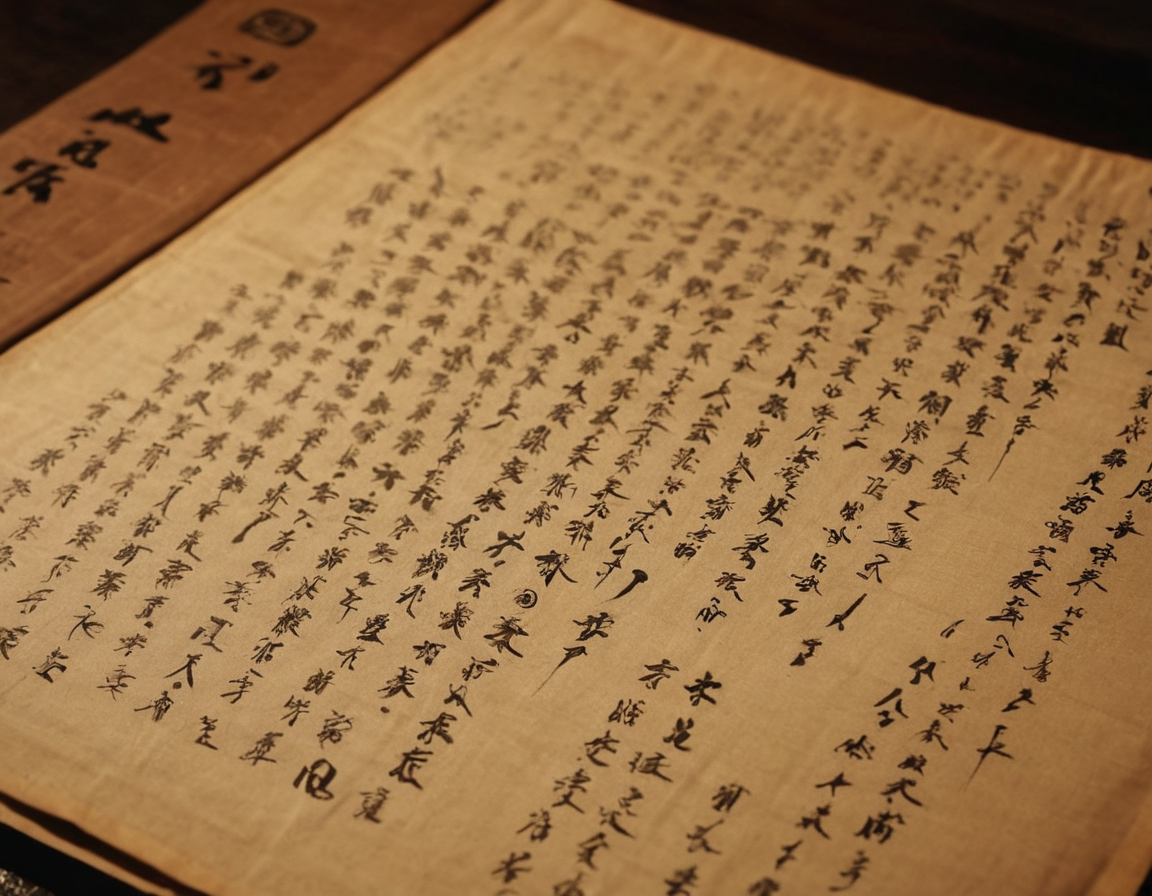
National Foundation Day finds its roots in ancient Japanese mythology. According to the eighth-century chronicles ‘Kojiki’ and ‘Nihon Shoki,’ Emperor Jimmu ascended to the throne on the first day of the first month of the lunar calendar, which corresponds to February 11 in the Gregorian calendar. This day was originally named Empire Day, and it has undergone several name changes and iterations until its post-war establishment as National Foundation Day.
Current Relevance and Celebrations
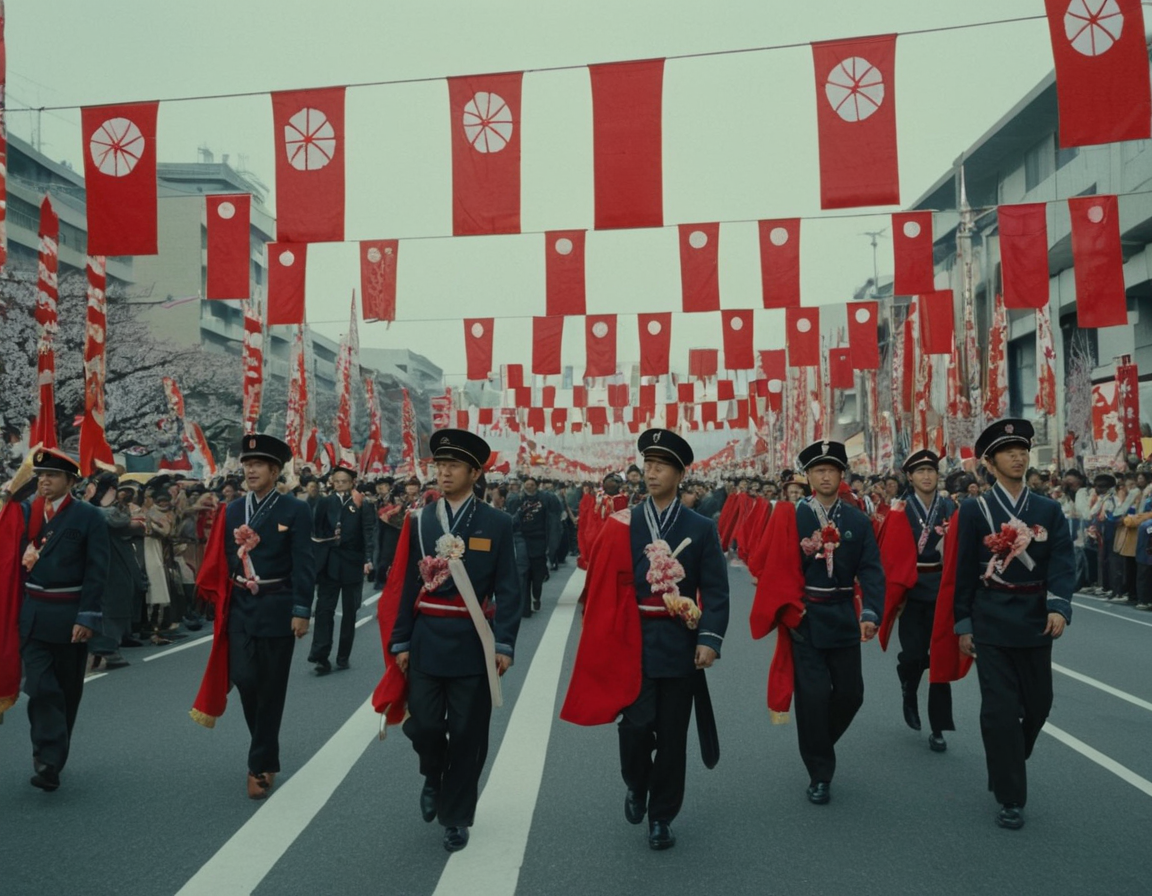
In modern Japan, National Foundation Day serves as a day of reflection on the establishment of the nation and a celebration of its culture and longevity. The day is marked by ceremonies and parades that honor the country’s history. Patriotic demonstrations and reenactments of historical events offer both Japanese citizens and visitors a glimpse into the past while cultural exhibitions showcase the nation’s artistic and cultural achievements.
Expert Opinions on National Identity and Pride
Experts in sociology and history often weigh in on the significance of National Foundation Day. Many see it as an opportunity for Japanese citizens to renew their love for their country and recognize the achievements of their ancestors. However, it is not without controversy; some debate the holiday’s emphasis on nationalism, especially given Japan’s diverse history.
Real-World Impact: National Holidays as Cultural Cornerstones
The celebration of National Foundation Day is more than just a public holiday; it has real-world implications on the nation’s identity. Citizens take time off work, families gather, and the spirit of unity permeates the air. National Foundation Day reminds the people of Japan of their common roots and shared history, serving to unify the nation across political or social lines.

Future Outlook: Preserving Traditions and Embracing Change
As Japan faces globalization and changing demographics, holidays like National Foundation Day play a role in keeping traditions alive while simultaneously evolving with the times. How Japan balances tradition with progress on such days will continue to shape its national identity and cultural heritage for future generations.
Conclusion
Japan’s National Foundation Day is more than just a date on the calendar; it is a day that embodies the spirit of the nation. As we reflect on the historical significance and real-world impact of this holiday, we can appreciate the importance of national days in maintaining a sense of identity, unity, and pride amongst citizens.