The Future of Work: Navigating the Evolution of the Workplace
The Future of Work: How Today’s Trends Are Shaping Tomorrow’s Workplace
As we step further into the 21st century, the concept of work and the workplace is undergoing a profound transformation. Factors such as technological advances, the COVID-19 pandemic, and changing societal attitudes are leading us away from traditional 9-to-5 paradigms to more flexible, hybrid, and even fully remote work models.  In this article, we’ll explore the current landscape of the workforce, the technological innovations shaping it, expert opinions on what the future holds, and the potential impacts on economies and societies worldwide.
Understanding the Changing Landscape of Work
Remote work, once a fringe benefit offered by a select few companies, has burgeoned into a mainstay due to necessity and advancements in communication technology. The digital realm has allowed workers in many industries to perform their tasks from virtually anywhere, demanding policies and infrastructures that support this new way of working.
Technological Innovations Disrupting Traditional Work Models
From Artificial Intelligence (AI) to automation, emerging technologies are redefining roles and creating new opportunities for businesses and individuals alike. The rise of the gig economy has introduced a new dimension to freelancing and short-term contracts, changing how we perceive job security and career progression. 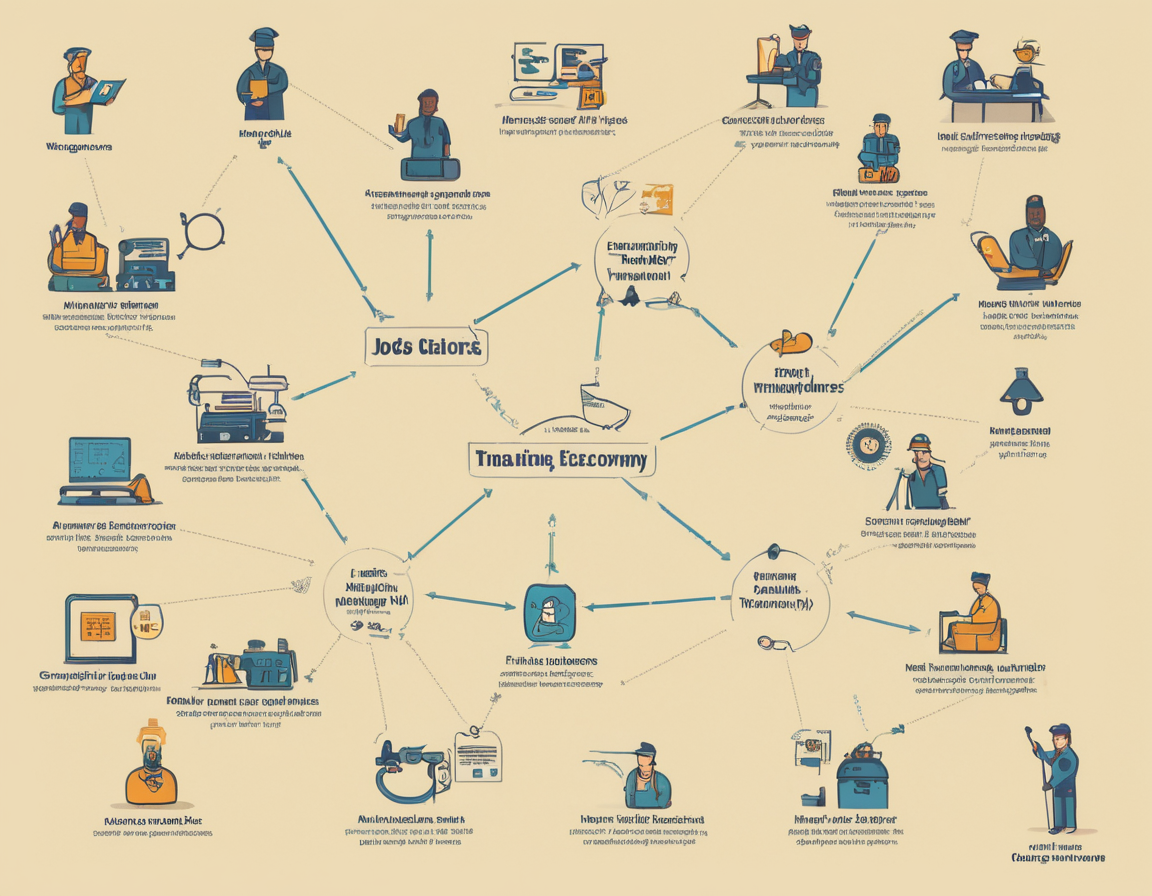
Expert Opinions on the Evolution of the Workforce
Industry leaders and analysts offer diverse perspectives on the future of work. Some advocate for the benefits of remote work in increasing productivity and work-life balance, while others warn of the challenges of disconnect and burnout. 
Real-World Impact: Societal and Economic Implications
The transformation of work does not just affect individuals but has far-reaching implications for urban development, transportation systems, real estate, and even environmental policy. The shift in where and how we work can lead to less congested cities, a reimagining of public spaces, and changes in housing markets.
The Future Outlook: Embracing a New Era of Work
In conclusion, embracing the evolving work mainstream is crucial for future success. Companies and employees must adapt to this changing environment by fostering continuous learning, maintaining flexibility, and staying ahead of technological advancements. The future of work promises to be as dynamic as it is uncertain, but it is clear that the resilience and adaptability of workers will be the cornerstone in this new age. 
Stay updated on the latest in workforce trends and embrace the changes for a thriving career in the future. Join the conversation in the comments below, and share your experiences with the new age of work.