Revisiting History: The Implications of the 1872 South Carolina Gubernatorial Election
Understanding the 1872 South Carolina Gubernatorial Election
The election of 1872 in South Carolina was pivotal in the course of the state’s, and indeed the nation’s, history. It occurred against the backdrop of Reconstruction, a time when the United States grappled with integrating formerly enslaved individuals and the states of the Confederacy back into the Union. The controversy surrounding the event, its participants, and the resulting socio-political fallout provide a window into the tumultuous era post-Civil War America was enduring.
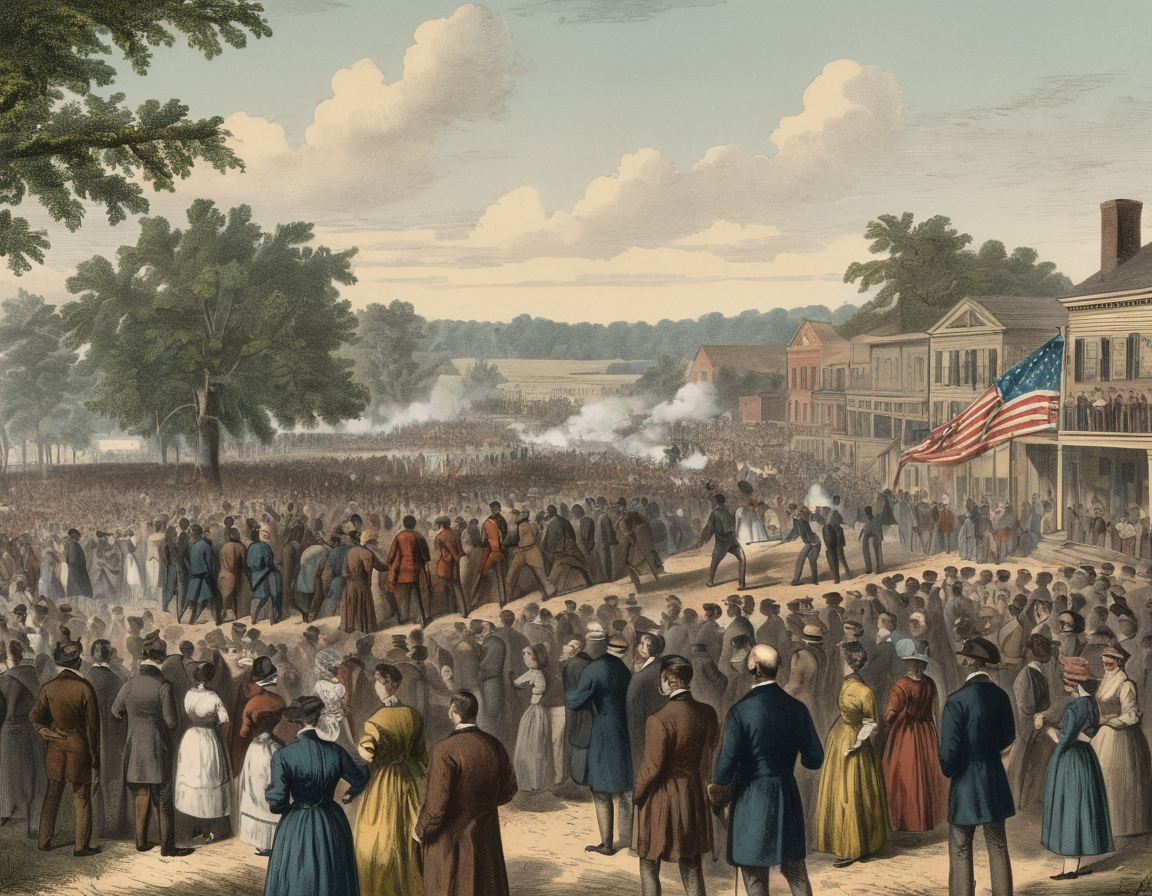
Background: The Era of Reconstruction
After the Union’s victory in the Civil War, the federal government faced the monumental task of rebuilding the fractured nation. The period known as Reconstruction saw efforts to address the challenges of reintegrating Southern states and determining the status of the newly freed African American population.
South Carolina, a state that had been central to the initiation of the Confederacy, experienced dramatic changes during this period. African Americans sought to exercise their newfound rights, which included running for and holding public office.
The Election of 1872
The gubernatorial election in South Carolina was significant for several reasons. It was an election that saw active participation from both white and African American citizens in what was an infamously divided society. Voters aimed to decide the direction their state would take, with candidates representing a wide spectrum of political thought.
Franklin J. Moses Jr., the incumbent Republican governor, was a polarizing figure. His administration was beset with allegations of corruption and mismanagement, yet he played a crucial role in advancing civil rights for African Americans.

Current Relevance: Historical Perspectives in Modern Times
In the current climate of social and political unrest, with questions swirling around voting rights and systemic racism, the events of the 1872 gubernatorial election in South Carolina hold renewed significance. Understanding the dynamics of this election helps comprehend the long journey of American democracy and the ongoing struggles for true equality.
Expert Opinions
Historians and political scientists offer diverse viewpoints on the legacy of the 1872 election. Some emphasize its role in highlighting the complexities of Reconstruction politics, while others point to the enduring patterns of political behavior that are still observable today.
Real-World Impact
The legacy of the election continued to influence the course of events in South Carolina and the broader American South. It became a reference point for future campaigns and a lesson in the perils of partisan division and the importance of socioeconomic reform.
Future Outlook
As we reflect on the 1872 South Carolina gubernatorial election, it’s important to consider its lessons in the context of our current experiences. What does it tell us about the progress made, and the work still ahead, in achieving a society that reflects the values of fairness, democracy, and equality?

Join the discussion and share your thoughts on how historical elections such as this one shape our present and inform our future. What do you think are the key takeaways from the 1872 South Carolina gubernatorial election?
This blog post has been inspired by recent scholarly debates and heightened public interest in the Reconstruction era, seeking to draw meaningful connections between past events and current political trends.