Embracing Sustainability: The Rise of Urban Gardens
The Green Revolution: Transforming Urban Spaces into Lush Gardens
Amidst the concrete jungle, a new wave of greenery is taking root. Urban gardens, once a rarity, have blossomed into vibrant hubs of sustainability and community engagement. In this blog post, we explore the surge in urban gardening, examining its benefits and how city dwellers are transforming their rooftops, balconies, and empty lots into lush oases.
The Seeds of Change: Background on Urban Gardening
Urban gardening is not a novel concept, but its recent resurgence signifies a profound shift in our relationship with the environment and food sources. With increasing urbanization and environmental awareness, these green spaces offer a beacon of hope and resilience.
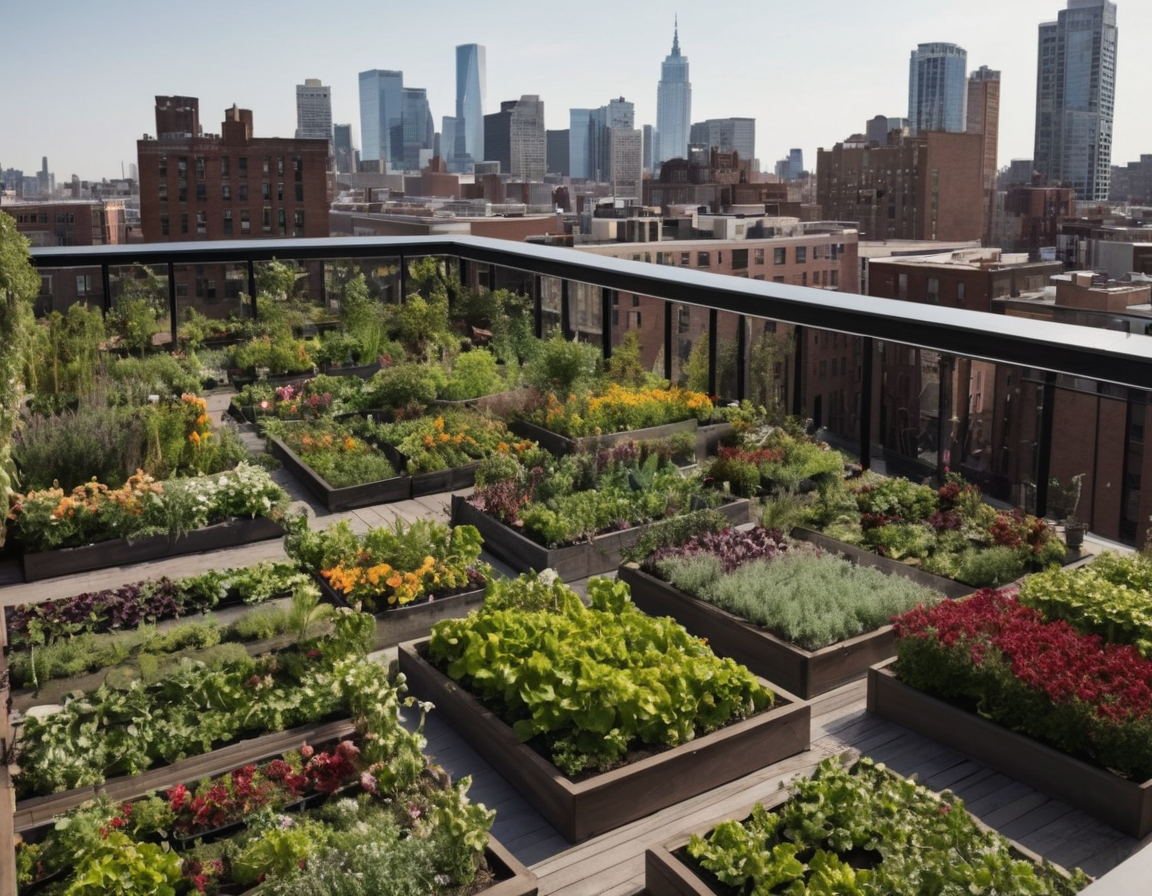
Historically, urban gardens have served numerous purposes—from victory gardens during wartime to community gardens that address food deserts in modern cities. Today, they represent the intersection of food security, ecological stewardship, and social wellbeing.
Branching Out: Current Relevance of Urban Gardens
The relevance of urban gardens has never been more palpable. They’ve become crucibles for sustainability, helping reduce the urban heat island effect, increase biodiversity, and provide locally-sourced produce. Amidst bustling city life, they also offer much-needed green spaces for residents to unwind and reconnect with nature.
As the global pandemic rattled our sense of normalcy, many found solace and safety in the cultivation of their urban plots. The self-sufficiency and control over food sources have only heightened their allure.

From Soil to Society: Expert Opinions on Urban Gardening
Experts across disciplines hail urban gardening as a multifaceted solution to urban challenges. Agricultural specialists laud their role in teaching valuable skills and promoting food sovereignty. Mental health professionals recognize the therapeutic benefits of gardening, as tending to plants can alleviate stress and foster mindfulness.
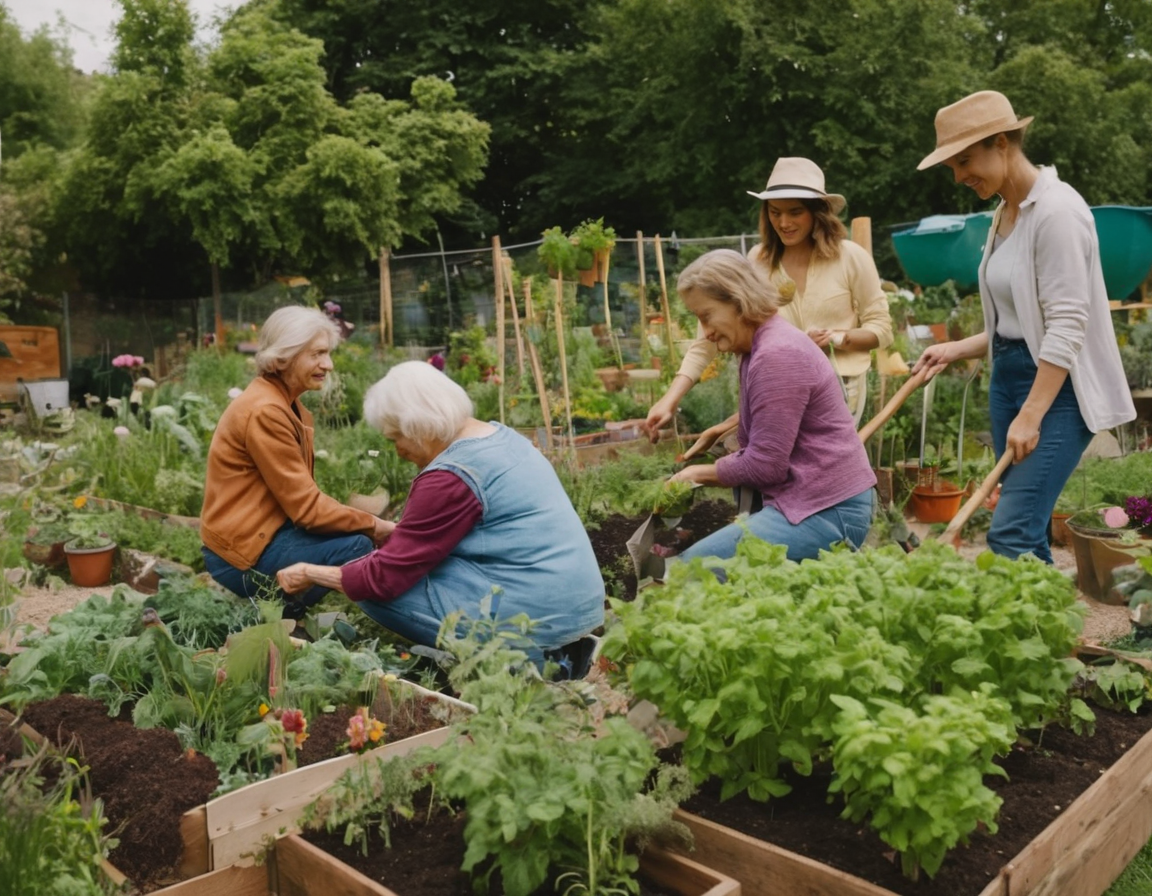
Urban planners and environmentalists also emphasize the importance of these gardens in creating sustainable cities. They advocate for policies that encourage urban agriculture, from allotment grants to educational programs.
Growth and Community: Real-World Impact of Urban Gardening
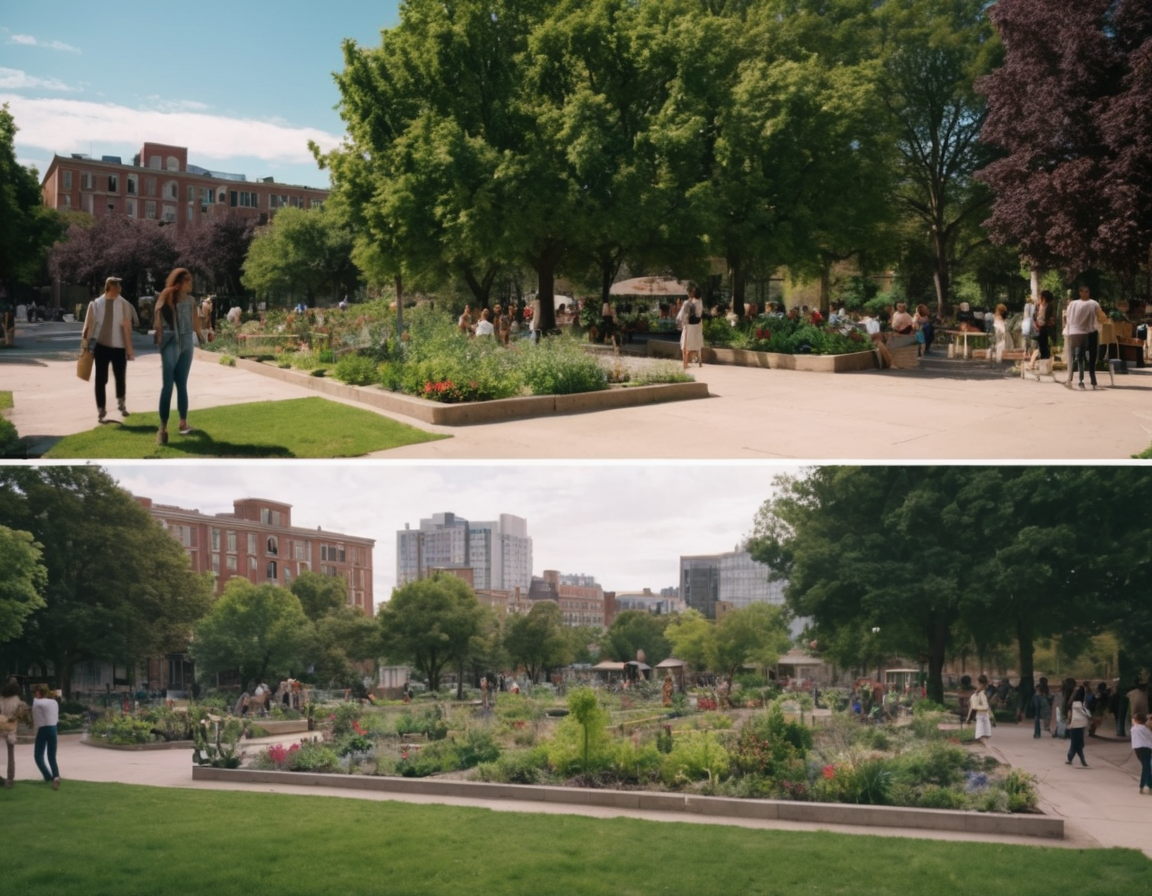
The impact of urban gardens extends well beyond their physical boundaries. Community gardens, in particular, have become epicenters for neighborhood development, bringing together diverse groups and cultivating a sense of belonging.
Success stories abound, from high-yield rooftop farms to rehabilitated public parks that now serve fresh produce to local residents. These initiatives inspire and offer a model for others to emulate.
Cultivating the Future: The Outlook for Urban Gardens
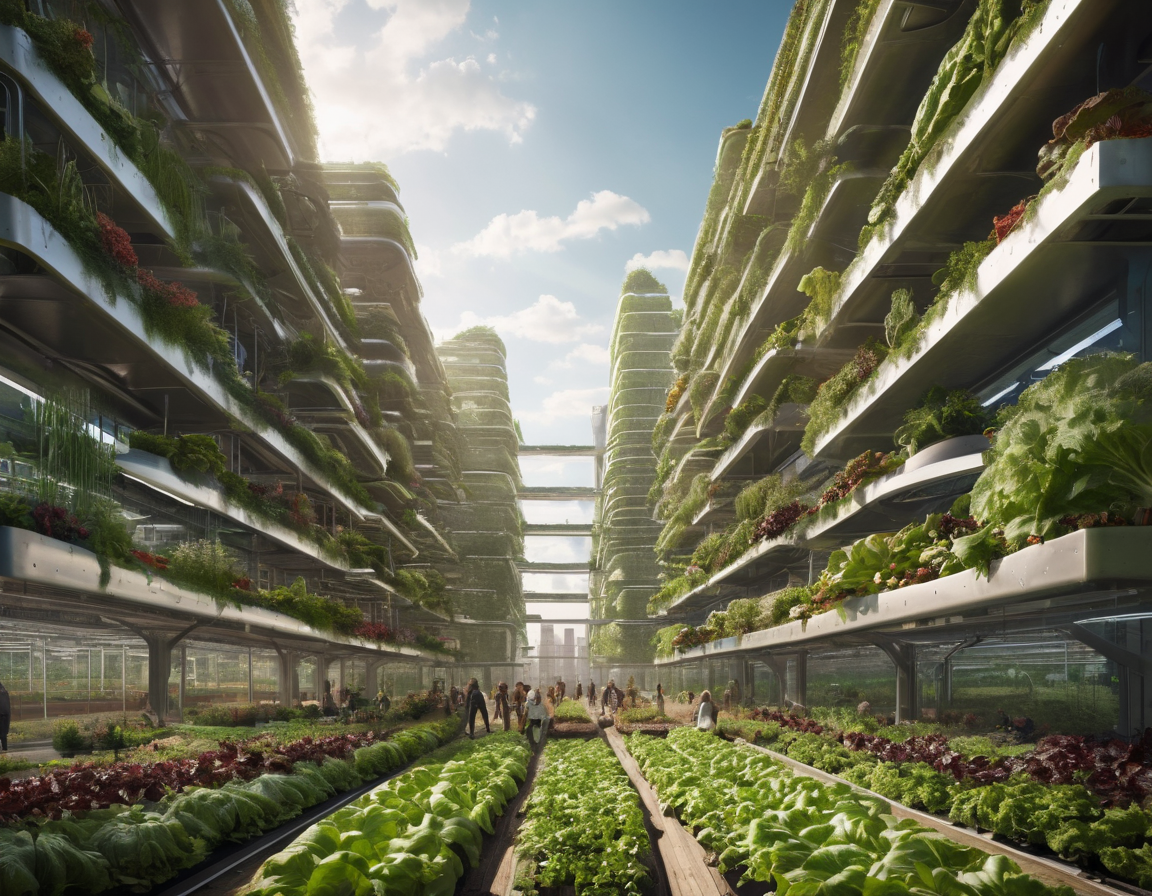
The future looks green indeed. With continued innovation and dedication, the potential for urban gardening seems limitless. Advances in agritech, such as vertical farming and hydroponics, promise to maximize yield in minimal spaces.
Governments and NGOs are recognizing the importance of these initiatives and have begun to invest more in their success. The movement has also sparked grassroots campaigns that promote urban agriculture and access to healthy foods.
As the benefits become more widely acknowledged, and as communities increasingly demand sustainable living, urban gardens are set to flourish. They are not just a fleeting trend but a cornerstone of urban life that will be cultivated for generations to come.
Join the movement—start your own urban garden, support local gardening initiatives, or simply spread the word. Together, we can repurpose our urban landscapes into verdant, healthful havens that nurture both people and the planet.